Non-Surgical vs. Surgical Care: Choosing the Best Urogynecologist for Uterine Prolapse Treatment in Gurgaon
When pelvic floor muscles and ligaments weaken, the uterus can descend from its normal position into the vaginal canal. For women experiencing this condition, deciding between conservative therapies and surgical reconstruction is one of the most consequential health decisions they will make. Finding the Best Urogynecologist for Uterine Prolapse Treatment in Gurgaon ensures that this decision is guided by accurate pelvic floor diagnostics, realistic expectations, and a care plan tailored to a woman’s lifestyle, age, and long-term goals.
Many patients delay seeking help because symptoms start subtly—a dull heaviness in the lower pelvis, mild lower back ache at the end of the day, or a feeling of sitting on a small ball. Over time, however, untreated descent can affect bladder emptying, bowel habits, and sexual comfort. Understanding how non-surgical options compare with surgical care empowers patients to ask sharper questions and partner confidently with a specialist.
Understanding Uterine Prolapse and How the Best Urogynecologist for Uterine Prolapse Treatment in Gurgaon Evaluates It
Uterine prolapse occurs when the pelvic diaphragm and supporting ligaments—such as the uterosacral and cardinal ligaments—stretch or tear. Vaginal childbirth, aging, hormonal shifts after menopause, chronic coughing, heavy lifting, and long-standing constipation can all place sustained downward pressure on the pelvic floor.
A comprehensive evaluation by the Best Urogynecologist for Uterine Prolapse Treatment in Gurgaon goes beyond a quick glance at symptoms. Specialists typically examine:
-
Prolapse staging: Grading the descent of the uterus, anterior vaginal wall (cystocele), and posterior vaginal wall (rectocele) during rest and straining.
-
Bladder and bowel function: Checking for stress urinary incontinence, urgency, incomplete bladder emptying, or obstructed defecation, which often accompany uterine descent.
-
Pelvic muscle strength and tissue health: Assessing levator ani muscle tone, vaginal tissue elasticity, and signs of estrogen deficiency.
-
Future fertility and activity goals: Clarifying whether a patient wants to preserve her uterus, remain physically active in sports, or avoid repeat procedures.
Because pelvic organ prolapse is a structural and functional condition rather than a single isolated issue, matching the right treatment to the right patient is essential.
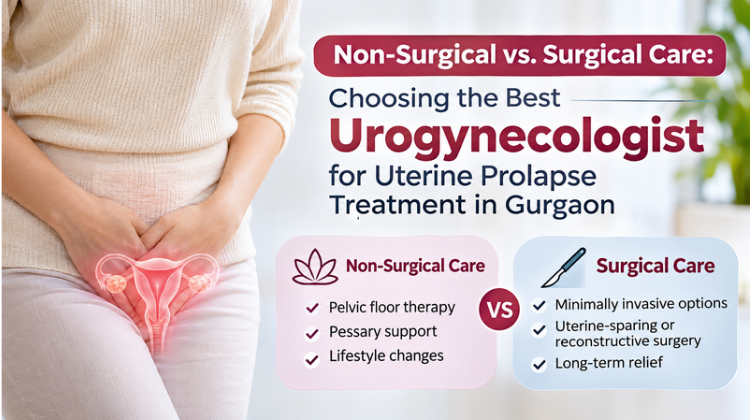
Non-Surgical Care for Uterine Prolapse: When Conservative Management Works
Conservative care aims to relieve symptoms, support weakened tissues, and slow progression without an operation. For mild-to-moderate prolapse—or for women who are not ready for surgery, wish to keep future pregnancy options open, or carry higher surgical risks—non-surgical management is frequently the starting point.
Pelvic Floor Physical Therapy
Supervised pelvic floor muscle training helps strengthen and coordinate the muscles that cradle the pelvic organs. Working with a trained pelvic health physiotherapist teaches women how to contract and relax the pelvic floor properly rather than bearing down. When paired with posture correction, breathing techniques, and bowel and bladder habits, consistent exercises can reduce pelvic pressure and ease mild discomfort.
Vaginal Pessaries
A vaginal pessary is a removable medical-grade silicone device fitted inside the vagina to mechanically support the uterus and surrounding walls. Pessaries come in various shapes—such as ring, Gellhorn, or cube designs—and a specialist selects and fits one for comfort without pinching or pressure. With proper cleaning and periodic clinical checkups, pessaries offer immediate symptom relief and can be used long-term or temporarily while waiting for surgery.
Lifestyle Adjustments and Local Estrogen
Simple daily changes reduce downward strain on the pelvic floor:
-
Treating chronic constipation with fiber, hydration, and proper toilet posture.
-
Managing chronic cough or heavy lifting mechanics.
-
Maintaining a healthy body weight.
-
Using local vaginal estrogen in eligible postmenopausal women to improve tissue thickness and resilience, especially when using a pessary.
Limitations of Non-Surgical Care
While non-surgical measures can substantially improve daily comfort, they do not permanently repair stretched ligaments or reverse advanced prolapse. Some women find pessaries uncomfortable, dislodged during activity, or associated with vaginal discharge or irritation. Choosing the Best Urogynecologist for Uterine Prolapse Treatment in Gurgaon means getting an honest assessment of whether conservative care will genuinely meet your needs or simply delay an inevitable step.
Surgical Care for Uterine Prolapse: Restoring Anatomy and Long-Term Support
When uterine prolapse reaches a moderate-to-severe stage, causes bothersome bulge symptoms despite conservative care, or impairs bladder or bowel emptying, surgery may offer more durable structural correction. Modern urogynecology focuses on restoring normal anatomy while protecting pelvic floor function.
Common Surgical Approaches
Depending on the degree of descent, associated compartment prolapse, and patient preference, a specialist may discuss:
-
Uterus-sparing procedures: Techniques that suspend or support the uterus without removing it, chosen by women who wish to preserve their uterus for personal or reproductive reasons.
-
Hysterectomy with pelvic floor support: Removing the uterus while resuspending the vaginal apex and reinforcing supporting tissues to reduce the risk of future vault prolapse.
-
Native-tissue repairs and sacrocolpopexy: Procedures that use the patient’s own ligaments or abdominal/laparoscopic/robotic suspension techniques to restore apical and vaginal support.
-
Concurrent incontinence or compartment repair: Addressing coexisting bladder leakage or rectocele during the same operation when clinically indicated.
Minimally Invasive vs. Open Surgery
Minimally invasive approaches—including vaginal, laparoscopic, and robotic-assisted techniques—typically involve smaller incisions, less postoperative pain, shorter hospital stays, and faster return to routine activities compared with traditional open abdominal surgery. However, the safest and most effective route depends on individual anatomy, prior surgeries, and medical history.
Weighing Surgical Risks and Recovery
Surgery carries standard medical risks such as bleeding, infection, anesthesia reactions, urinary symptoms, or future recurrence of prolapse. Recovery requires weeks of avoiding heavy lifting and straining while tissues heal. Partnering with the Best Urogynecologist for Uterine Prolapse Treatment in Gurgaon helps ensure the surgical approach is individualized rather than one-size-fits-all.
Side-by-Side Comparison: Non-Surgical vs. Surgical Treatment
| Feature | Non-Surgical Care | Surgical Care |
| Primary Goal | Relieve symptoms, support muscles/tissues, avoid surgery | Restore anatomical support and long-term structural stability |
| Typical Options | Pelvic floor therapy, vaginal pessary, lifestyle & local estrogen care | Uterus-sparing suspension, hysterectomy with support, sacrocolpopexy |
| Anesthesia & Hospital Stay | Outpatient visits; no anesthesia or hospital admission | Requires anesthesia and inpatient or day-care hospital stay |
| Recovery Timeline | Immediate to gradual over weeks of consistent practice | Several weeks of activity restrictions and graded recovery |
| Durability | Effective for mild-to-moderate symptoms; requires ongoing use | Generally more durable for advanced prolapse, with long-term recurrence risk |
| Best Fit | Mild prolapse, surgical candidates seeking non-invasive relief, high surgical risk | Moderate-to-severe prolapse, persistent symptoms, failed conservative care |
How to Choose the Best Urogynecologist for Uterine Prolapse Treatment in Gurgaon
Selecting the Best Urogynecologist for Uterine Prolapse Treatment in Gurgaon involves looking past marketing claims and evaluating clinical depth. A qualified specialist should offer balanced counseling on both non-surgical and surgical routes so you never feel pushed into an operation—or left struggling with an ineffective pessary.
Key factors to weigh during your consultation include:
-
Dedicated training and experience: Look for a gynecologist with advanced expertise in urogynecology, pelvic floor disorders, and minimally invasive or robotic reconstructive surgery.
-
Comprehensive diagnostic workup: Ensure your evaluation covers pelvic support grading, bladder/bowel symptoms, and individualized options rather than a rushed recommendation.
-
Transparent discussion of pros, cons, and alternatives: A trustworthy doctor explains success rates, potential complications, recovery milestones, and non-surgical choices clearly.
-
Multidisciplinary hospital support: Access to pelvic floor physiotherapy, urology/diagnostics, and modern surgical infrastructure supports safer outcomes.
For patients exploring care options in Gurugram, Dr. Preeti Rastogi is a prominent senior gynecologist and obstetrician associated with Medanta – The Medicity in Gurugram. Consulting an experienced specialist like her—or any reputable urogynecology team in the city—allows patients to compare conservative and surgical pathways with clarity.
Making a Confident Decision for Your Pelvic Health
Living with a heavy, dragging sensation or worrying about bladder leaks can quietly limit exercise, travel, and daily confidence. Yet uterine prolapse is highly treatable. Whether your path starts with pelvic floor physiotherapy and a pessary or progresses to minimally invasive reconstructive surgery, the Best Urogynecologist for Uterine Prolapse Treatment in Gurgaon will help you align medical evidence with what matters most in your daily life.
When you meet with a specialist, consider bringing a brief symptom diary noting when bulging or urinary issues occur, a list of current medications and past surgeries, and clear questions about both non-surgical and surgical timelines. An informed conversation is the strongest foundation for lasting pelvic comfort.
#uterine prolapse treatment in Gurgaon #urogynecologist in Gurgaon #pelvic organ prolapse treatment #non-surgical treatment for uterine prolapse #uterine prolapse surgery Gurgaon #vaginal pessary for uterine prolapse #pelvic floor physical therapy Gurgaon #uterus-sparing prolapse surgery #laparoscopic prolapse repair #robotic gynecologic surgery Gurgaon #stress urinary incontinence treatment Gurgaon #pelvic floor dysfunction specialist #cystocele and rectocele treatment #hysterectomy for uterine prolapse #sacrocolpopexy surgery Gurgaon #female pelvic medicine specialist #postpartum pelvic floor recovery #menopause pelvic prolapse care #bladder prolapse treatment Gurgaon #pelvic heaviness treatment #urogynecology hospital in Gurgaon #minimally invasive gynecology Gurgaon #Dr Preeti Rastogi Gurgaon #Dr Preeti Rastogi Medanta #best gynecologist in Gurgaon #pelvic organ prolapse symptoms #non-invasive prolapse care #pelvic floor exercises for prolapse #recurrent uterine prolapse treatment #reconstructive pelvic surgery #women’s health specialist Gurgaon #gynecologic surgeon in Gurugram #pelvic support surgery #urinary leakage and prolapse #urogynecology consultation Gurgaon
FAQ
1. What is the difference between non-surgical and surgical treatment for uterine prolapse?
Non-surgical treatment for uterine prolapse relies on pelvic floor physical therapy, vaginal pessaries, lifestyle adjustments (such as treating constipation and avoiding heavy lifting), and local vaginal estrogen when appropriate to ease symptoms and support tissues without an operation. Surgical treatment aims to restore pelvic anatomy more permanently through procedures such as vaginal or abdominal/laparoscopic/robotic suspension, uterus-sparing repairs, or hysterectomy with apical support, and is typically considered when prolapse is advanced or conservative care does not provide enough relief.
2. How do I choose the Best Urogynecologist for Uterine Prolapse Treatment in Gurgaon?
To choose the Best Urogynecologist for Uterine Prolapse Treatment in Gurgaon, look for a specialist with strong experience in pelvic floor disorders, urogynecology, and minimally invasive reconstructive surgery who practices at a well-equipped hospital. A reliable doctor will evaluate bladder and bowel function alongside prolapse staging, explain both conservative and surgical options objectively, and outline realistic recovery expectations and risks before recommending treatment.
3. When is a vaginal pessary better than surgery for uterine prolapse?
A vaginal pessary is often preferred over surgery when prolapse is mild to moderate, when a woman wants immediate non-surgical symptom control, when future pregnancy is desired, or when medical conditions make surgery higher risk. It is also useful as a trial option to see how pelvic pressure and bladder symptoms respond to mechanical support before committing to an operation.
4. Why do patients consider Dr. Preeti Rastogi when looking for a top gynecologist in Gurgaon?
Patients evaluating options in Gurgaon often look at Dr. Preeti Rastogi because she is a senior gynecologist and obstetrician serving as Director and Head of Department in Obstetrics and Gynaecology at Medanta – The Medicity, Gurugram. Her clinical profile highlights over 25 to 30 years of experience across India and the UK, training and hospital experience in the UK (including Wales), qualifications including MBBS, DNB, and MRCOG, and expertise spanning urogynecology/prolapse, high-risk obstetrics, and minimally invasive/robotic gynecologic surgery.
5. What are the key facts about Dr. Preeti Rastogi?
-
Current Role & Hospital: Director and Head of Department, Obstetrics and Gynaecology at Medanta – The Medicity, Gurugram (Sector 38).
-
Clinical Experience: Over 25–30 years of clinical experience in obstetrics and gynecology across India and the United Kingdom.
-
Qualifications: Holds MBBS, DNB (Obstetrics and Gynaecology), and MRCOG (Royal College of Obstetricians and Gynaecologists, UK).
-
UK Training & Background: Trained and practiced in the UK, including roles in Wales (such as University Hospital of Wales in Cardiff and Singleton Hospital in Swansea).
-
Key Clinical Areas: Covers high-risk obstetrics, urogynecology and pelvic organ prolapse, minimal access/laparoscopic and robotic gynecologic surgery, and general women’s health.