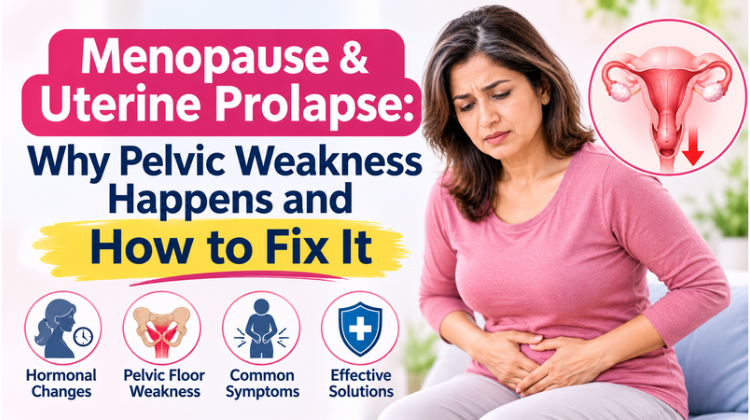
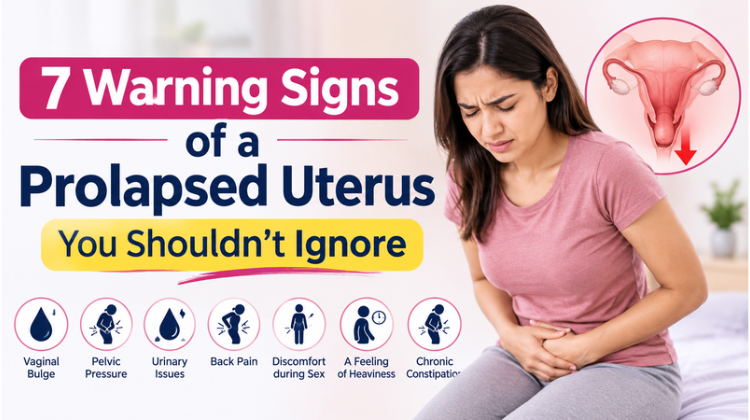
7 Warning Signs of a Prolapsed Uterus You Shouldn’t Ignore
Pelvic health is a vital cornerstone of every woman’s overall well-being, yet issues affecting the pelvic floor are frequently suffered in silence. Among these conditions, pelvic organ prolapse—specifically uterine prolapse—is far more common than many realize. Recognizing the early signs of a prolapsed uterus can make the difference between simple, non-invasive management and complex medical interventions.
When the muscles, ligaments, and connective tissues supporting the pelvic organs stretch or weaken, the uterus can descend from its normal position in the pelvis into the vaginal canal. For some women, this feels like a mild internal shift; for others, it leads to debilitating physical discomfort, bladder issues, and emotional distress.
Understanding the primary signs of a prolapsed uterus empowers women to seek timely evaluation. Leaving pelvic floor weakness unchecked can allow a mild displacement to progress into advanced stages where conservative measures are no longer effective.
What Is Uterine Prolapse and Why Does It Happen?
To understand the signs of a prolapsed uterus, it helps to picture the female pelvic cavity. The uterus, bladder, and bowel are held securely in place by a dynamic support system of skeletal muscles and tough connective tissues known as the pelvic floor hammock.
When this structural support mechanism is compromised, gravity pulls the organ downward. Uterine prolapse is graded in severity:
-
Stage 1 (Mild): The cervix drops slightly into the upper portion of the vagina.
-
Stage 2 (Moderate): The cervix drops down near the opening of the vagina.
-
Stage 3 (Severe): The cervix protrudes outside the vaginal opening.
-
Stage 4 (Complete Procidentia): The entire uterus sits outside the body.
Primary Risk Factors
-
Vaginal Childbirth: Multiple pregnancies, prolonged pushing, or delivery of large infants can overstretch pelvic tissues.
-
Hormonal Changes: The decline of estrogen during perimenopause and menopause reduces collagen production and tissue elasticity.
-
Chronic Pelvic Strain: Persistent coughing, chronic constipation, heavy lifting, or obesity exerts continuous downward force on the pelvic floor.
-
Aging: Natural cellular wear weakens musculoskeletal structures over time.
Recognizing the early signs of a prolapsed uterus allows healthcare providers to implement targeted pelvic floor rehabilitation or non-surgical strategies before irreversible tissue damage occurs.
7 Warning Signs of a Prolapsed Uterus You Shouldn’t Ignore
The manifestations of pelvic organ descent can range from subtle sensations to overwhelming physical changes. Here are seven crucial symptoms that warrant immediate clinical attention:
1. A Persistent Sensation of Pelvic Heaviness or Pulling
One of the most frequently reported signs of a prolapsed uterus is a dull, aching drag low in the abdomen, pelvis, or lower back. Women often describe this feeling as:
-
Sitting on a small ball or feeling like an object is about to fall out of the vagina.
-
Increased weight or tension in the pelvic region that worsens after standing or walking for long periods.
-
Discomfort that eases when lying flat, as gravity stops pulling down on the uterus.
This sensation occurs because the ligaments stretching to hold the slipping organ trigger nerve pathways in the lower abdomen and sacral spine.
2. A Visible or Palpable Tissue Bulge at the Vaginal Opening
As uterine descent progresses from mild to severe, a distinct physical lump or bulge may become noticeable at or beyond the vaginal introitus.
-
In the early stages, you may only feel this tissue when wiping after using the restroom or during intimate hygiene routines.
-
In advanced stages, noticeable pinkish or flesh-colored tissue protrudes continuously outside the body.
-
Exposed vaginal skin can rub against clothing, causing irritation, ulceration, bleeding, or localized infection.
A visible bulge is one of the definitive physical signs of a prolapsed uterus indicating that conservative management must be reviewed by a specialist.
3. Bladder Dysfunction: Incontinence, Frequency, or Incomplete Emptying
Because the uterus shares immediate anatomical space with the bladder and urethra, its displacement alters urinary tract mechanics. Common urinary signs of a prolapsed uterus include:
-
Stress Urinary Incontinence (SUI): Leaking urine when sneezing, coughing, laughing, or exercising due to compromised urethral support.
-
Urinary Hesitancy or Retention: The prolapsed uterus can kink the urethra, creating an obstruction that makes initiating a urine stream difficult.
-
Incomplete Bladder Emptying: Feeling as though your bladder is never truly empty, requiring double-voiding or manual positioning.
-
Recurrent Urinary Tract Infections (UTIs): Stagnant urine remaining in the bladder acts as a breeding ground for bacteria.
4. Bowel Irregularities and Difficulty Defecating
Just as the prolapse affects the front of the pelvis (the bladder), it also impacts the back (the rectum). Women experiencing the signs of a prolapsed uterus frequently report altered bowel habits:
-
Chronic Constipation: A feeling of mechanical obstruction when trying to pass stools.
-
Tenesmus: Feeling like a bowel movement is incomplete despite straining.
-
Splinting: A specialized maneuver where a woman must push against the back wall of her vagina or support her perineum with her fingers to manually assist a bowel movement.
5. Lower Back Pain and Sacral Discomfort
Lower back discomfort is a widespread complaint, but when tied to uterine descent, it follows a distinct pattern.
-
The pain centers around the sacrum and lower lumbar spine.
-
It is typically absent upon waking after a night of rest but builds progressively throughout the afternoon and evening.
-
It directly correlates with physical activity, prolonged standing, or heavy lifting.
This discomfort stems from chronic strain on the uterosacral and cardinal ligaments, which are stretched far beyond their normal operating tension as the uterus pulls downward.
6. Pain or Uncomfortable Friction During Sexual Intercourse
Pelvic organ prolapse can significantly impact intimate health and self-esteem. Sexual symptoms that mirror the signs of a prolapsed uterus include:
-
Dyspareunia (painful intercourse) caused by altered pelvic anatomy or deep tissue pressure.
-
A sensation of physical friction, looseness, or internal obstruction during intimacy.
-
Fear of urinary leakage during arousal or climax, leading to decreased sexual desire and anxiety.
7. Chronic Vaginal Spotting or Abnormal Discharge
When tissue descends down the vaginal vault, friction against clothing or pad surfaces can cause microscopic tears in the delicate vaginal mucosa.
-
This ongoing irritation leads to unexpected light bleeding or pinkish discharge.
-
If tissue remains protruded outside the body for extended periods, it can become dry, thickened (hyperkeratotic), inflamed, or ulcerated.
-
Any unexplainable vaginal bleeding—especially post-menopausal bleeding—requires prompt investigation by a gynecologist.
Clinical Staging: How Doctors Evaluate the Signs of a Prolapsed Uterus
To accurately assess the signs of a prolapsed uterus, specialists use standardized clinical scoring systems during a pelvic exam, most notably the Pelvic Organ Prolapse Quantification (POP-Q) system.
Stage 0  ---> Normal anatomical position; no prolapse detected.
Stage I  ---> Lowest portion of the prolapse is >1 cm above the hymenal ring.
Stage II ---> Prolapse extends to within 1 cm above or below the hymenal ring.
Stage III---> Prolapse extends >1 cm past the hymeneal ring but < total vaginal length.
Stage IV ---> Complete eversion (procidentia); entire uterus protrudes outside.
During your consultation, your specialist will evaluate your symptoms both at rest and while performing a Valsalva maneuver (bearing down) to determine the exact stage of organ descent.
When to Consider Surgery for a Prolapsed Uterus
Not every woman showing the signs of a prolapsed uterus needs surgical intervention. Treatment decisions depend on symptom severity, overall health, age, lifestyle goals, and whether future pregnancy is desired.
Non-Surgical Interventions
For Stage 1 or mild Stage 2 prolapse, conservative care is often the first line of defense:
-
Pelvic Floor Muscle Training (Kegel Exercises): Target strengthening of the levator ani muscle complex under physical therapy guidance.
-
Vaginal Pessaries: Soft, removable silicone devices inserted into the vagina to provide structural uplift for the uterus and bladder.
-
Hormonal Support: Topical estrogen therapy to restore mucosal tissue elasticity in post-menopausal women.
-
Lifestyle Modifications: Weight loss, treating chronic coughs, fiber-rich diets to eliminate straining, and avoiding heavy lifting.
Indications for Surgical Repair
Surgery becomes a primary consideration when:
-
Conservative Treatments Fail: Pessaries are uncomfortable, continually fall out, or fail to relieve discomfort.
-
Advanced Prolapse (Stage 3 or 4): Severe physical protrusion causes ongoing tissue ulceration, bleeding, or infection risks.
-
Severe Functional Impairment: Urinary retention, kidney risk (hydronephrosis from ureteral kinking), or severe bowel dysfunction hampers daily life.
-
Impact on Quality of Life: Persistent pain, immobility, or inability to engage in normal daily activities and intimacy.
Modern Surgical Options
-
Uterine-Sparing Pelvic Floor Reconstruction (Sacrohysteropexy): Securing the uterus back to its anatomical position using synthetic or biological mesh, preserving fertility.
-
Laparoscopic or Robotic Sacrocolpopexy / Sacrohysteropexy: Advanced, minimally invasive procedures offering high precision, minimal scarring, and quick recovery times.
-
Vaginal Hysterectomy with Pelvic Reconstructive Repair: Removing the uterus through the vagina and re-anchoring the vaginal vault to natural supportive ligaments (e.g., sacrospinous ligament fixation).
Also Read: Menopause & Uterine Prolapse: Why Pelvic Weakness Happens and How to Fix It
#uterine prolapse symptoms #pelvic organ prolapse #pelvic heaviness #vaginal bulge #pelvic floor weakness #bladder prolapse #rectocele #cystocele #urogynecologist gurgaon #prolapse surgery #non-surgical prolapse treatment #pessary treatment #kegel-exercises #pelvic floor therapy #laparoscopic sacrocolpopexy #robotic sacrocolpopexy #hysterectomy for prolapse #stage 4 prolapse #procidentia #post menopausal pelvic floor #stress urinary incontinence #incomplete bladder emptying #splinting for constipation #dyspareunia #pelvic floor reconstruction #dr preeti rastogi #medanta gurgaon #robotic gynecology surgeon #vaginal vault prolapse #female urogynecology #pelvic floor dysfunction #postpartum perineal care #gynecologist in gurgaon
FAQ
1. What are the key signs of a prolapsed uterus, and when should I see a doctor?
The main signs of a prolapsed uterus include a continuous feeling of pelvic heaviness or pressure, a visible tissue bulge at the vaginal opening, urinary leakage or difficulty emptying the bladder, chronic lower back pain that worsens throughout the day, constipation, and discomfort during intercourse. You should consult a specialist immediately if you notice tissue protruding past your vaginal opening, experience recurrent urinary infections, or find that pelvic discomfort restricts your daily activities.
2. Can a prolapsed uterus be reversed without surgery?
Mild to moderate uterine prolapse (Stage 1 and Stage 2) cannot be completely “undone” structurally, but symptoms can be effectively controlled or halted without surgery. Targeted pelvic floor muscle therapy (Kegel exercises), weight management, avoiding chronic straining, and using a custom-fitted silicone vaginal pessary can restore organ support and relieve symptoms without surgical procedures.
3. How do I know if my uterine prolapse requires surgical intervention?
Surgery is typically recommended when conservative measures like pessaries fail to provide relief, or when prolapse advances to Stage 3 or Stage 4. Clear medical indicators for surgery include severe difficulty urinating or passing stools, recurrent tissue ulceration or bleeding from exposed vaginal walls, severe pelvic pain, or a major negative impact on your daily quality of life and sexual health.
4. What are the risks of leaving a prolapsed uterus untreated?
Ignoring the progressive signs of a prolapsed uterus can lead to worsening organ displacement over time. Untreated severe prolapse may cause chronic mucosal ulceration, localized bleeding, skin infections, persistent urinary retention, recurrent urinary tract infections, and in rare severe cases, urinary blockage that damages kidney function (hydronephrosis).
5. Why consult Dr. Preeti Rastogi for uterine prolapse treatment in Gurgaon?
Dr. Preeti Rastogi is an accomplished Obstetrician, Gynecologist, and Urogynecologist in Gurgaon. She serves as Director and Head of Department (HOD) in Obstetrics and Gynaecology at Medanta – The Medicity, Gurgaon, bringing over 25 years of international clinical experience across the UK (NHS Wales) and India. As a certified Da Vinci Xi Robotic Surgeon and dual-qualified specialist holding MRCOG (UK) and UK Fellowship in Urogynaecology, Dr. Rastogi provides world-class care in minimally invasive, laparoscopic, and robotic pelvic floor reconstruction tailored to each patient’s needs.
About Dr. Preeti Rastogi
-
Current Position: Director & HOD, Obstetrics & Gynaecology at Medanta – The Medicity, Gurugram.
-
Clinical Experience: Over 25 to 30 years of global medical experience across top institutions in the United Kingdom and India.
-
Medical Qualifications:
-
MBBS – Jiwaji University (G.R. Medical College), Gwalior, 1993.
-
DNB (Obstetrics & Gynaecology) – St. Stephen’s Hospital, National Board of Examinations, New Delhi, 2000.
-
MRCOG – Member of the Royal College of Obstetricians and Gynaecologists, London, UK.
-
Sub-Specialty Fellowship – Urogynaecology (United Kingdom).
-
-
Advanced Surgical Credentials: Certified Da Vinci Xi Robotic Surgeon—one of very few specialized urogynecological robotic surgeons in India.
-
International NHS Experience: Over 10 years of consultant experience in the UK’s NHS Wales (Singleton Hospital, Swansea & University Hospital of Wales, Cardiff).
-
Professional Affiliations: Active member of the Royal College of Obstetricians and Gynaecologists (RCOG), American College of Obstetricians and Gynecologists (ACOG), British Society of Urogynaecology (BSUG), and Faculty North Zone AICC.