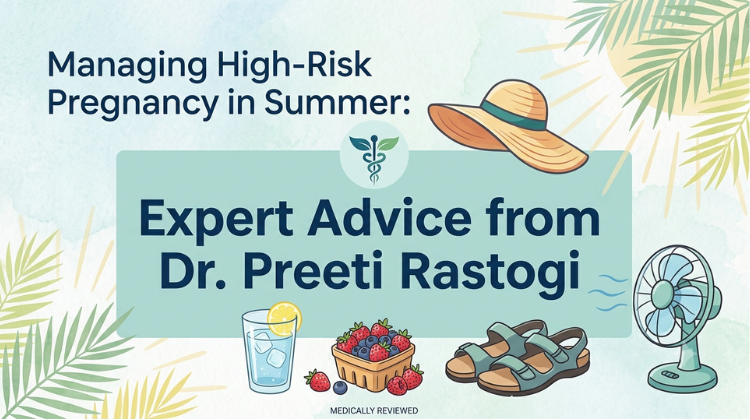
Managing High-Risk Pregnancy in Summer: Expert Advice from Dr. Preeti Rastogi
Navigating a high-risk pregnancy requires specialized care, strict lifestyle adjustments, and consistent clinical supervision. When the extreme heat of the warmer months arrives, environmental stressors intensify, presenting unique physiological challenges for expectant mothers. Safely managing a High-Risk Pregnancy in Summer demands an elevated level of vigilance to protect both maternal well-being and fetal development.
With the right clinical strategies, medical guidance, and proactive daily routines, mothers can successfully mitigate seasonal dangers. Below, we explore crucial expert insights to help you maintain a safe, healthy, and comfortable path to motherhood during the peak heat of the season.
Crucial Medical Strategies for a High-Risk Pregnancy in Summer
1. Maintain Advanced Hydration Metrics
When managing a High-Risk Pregnancy in Summer, staying thoroughly hydrated is a critical clinical necessity. Dehydration reduces overall blood volume, which can inadvertently trigger early uterine activity or cause premature contractions.
-
Aim to consume at least 3 to 3.5 liters of filtered water every day.
-
Incorporate natural, electrolyte-dense fluids like fresh coconut water or fresh buttermilk to balance mineral levels lost through perspiration.
-
Strictly avoid sugary drinks, processed juices, and caffeinated beverages, as they can spike blood sugar and accelerate fluid loss.
2. Monitor Gestational Diabetes and Heat Volatility
The summer heat introduces hidden complexities for women dealing with gestational diabetes (GDM). Extreme temperatures alter metabolic rates, and severe dehydration can cause false, highly elevated blood glucose readings on home monitoring systems.
-
Test your blood sugar levels regularly as advised by your healthcare specialist.
-
Opt for hydrating, low-glycemic foods such as cucumbers, tomatoes, and curd, which cool the body without causing sudden insulin spikes.
-
Keep your glucose testing strips and insulin supplies stored in a cool, dark place, as intense heat can damage their clinical accuracy.
3. Recognize Preeclampsia Warnings vs. Standard Swelling
Mild swelling in the feet and ankles—known as edema—is a frequent side effect of heat-induced blood vessel dilation. However, when navigating a High-Risk Pregnancy in Summer, it is vital to know when swelling indicates a more severe underlying cardiovascular condition, such as preeclampsia.
-
Elevate your feet above heart level whenever you are sitting or resting.
-
Track sudden, severe swelling occurring in your face, hands, or around your eyes.
-
Seek emergency medical attention if swelling is accompanied by sudden headaches, blurred vision, or upper abdominal pain.
4. Restrict Outdoor Physical Activities
Remaining active supports a healthy labor process, but physical exertion during a High-Risk Pregnancy in Summer must be handled with extreme caution to prevent maternal hyperthermia and fetal heat stress.
-
Restrict any outdoor movement or prenatal exercise to the cool hours of the early morning or late evening.
-
Choose climate-controlled indoor spaces for low-impact exercises like prenatal yoga or light walking.
-
Stop exercising immediately if you feel dizzy, short of breath, or experience a rapid heart rate.
Understanding Microclimate Risks: Thermoregulation Challenges in High-Risk Summer Pregnancies
Pregnancy inherently alters maternal thermoregulation. During a healthy pregnancy, basal metabolic rate rises significantly to support fetal development, tissue synthesis, and placenta function. This elevated metabolic activity, coupled with increased plasma volume and cardiac output, leads to a higher resting core body temperature. When an expectant mother is exposed to hot summer conditions, her body’s natural heat dissipation mechanisms—primarily vasodilation and sweating—are pushed to their absolute limits.
For a mother with a high-risk pregnancy, these thermoregulatory adjustments become considerably more challenging. Conditions such as pre-existing cardiac disease, renal dysfunction, thyroid disorders, or severe maternal obesity diminish the vascular and organ reserves required to shed internal heat effectively. Excessive thermal stress can lead to heat exhaustion or heat stroke rapidly, both of which impair uterine blood flow, lower placental perfusion, and increase maternal cardiovascular strain.
┌─────────────────────────────────────────────────────────────────────────┐
│              THERMOREGULATORY STRAIN IN HIGH-RISK PREGNANCY             │
├─────────────────────────────────────────────────────────────────────────┤
│ Elevated Basal Metabolic Rate + High Ambient Temperature               │
│                                ↓                                        │
│ Increased Cutaneous Blood Flow & Sweating → Potential Dehydration       │
│                                ↓                                        │
│ Decreased Plasma Volume & Blood Pressure Fluctuation                   │
│                                ↓                                        │
│ Reduced Placental Perfusion & Uterine Muscle Irritability               │
└─────────────────────────────────────────────────────────────────────────┘
Furthermore, sustained elevated maternal core temperatures—specifically during the first trimester—have been associated with structural neural tube defects and cardiac anomalies. In the second and third trimesters, hyperthermia can trigger maternal distress, syncope, and reduced fetal activity. Understanding these physiological nuances is essential for expectant mothers navigating high-risk conditions under the guidance of Dr. Preeti Rastogi, widely recognized as the best gynaecologist in Gurugram.
Gestational Diabetes Management Under Extreme Summer Heat
Extreme summer heat presents a distinct set of metabolic challenges for women diagnosed with Gestational Diabetes Mellitus (GDM) or pre-existing Type 1/Type 2 diabetes. High ambient temperatures alter metabolic rates, insulin absorption speeds, and autonomic responses, making glycemic control complex and unpredictable.
Heat Exposure and Glycemic Fluctuations
When exposed to excessive heat, peripheral blood vessels dilate to release heat. For women using insulin injections or subcutaneous pumps, this increased cutaneous circulation accelerates insulin absorption, potentially causing sudden hypoglycemia. Conversely, dehydration caused by sweating concentrates blood volume, leading to artificially elevated blood glucose readings (hyperglycemia).
Dietary & Timing Strategies for Heat-Induced Loss of Appetite
Summer weather often suppresses appetite, leading mothers to skip meals or turn to chilled, high-sugar beverages like commercial juices, sweetened ice teas, or excessive tropical fruits. To maintain steady glucose levels:
-
Embrace Low-Glycemic Hydration: Rely on plain water, chilled buttermilk (chaas) infused with roasted cumin, or cucumber-mint infusions rather than high-fructose fruit smoothies.
-
Fractionated Cooling Meals: Instead of three main meals, consume 5 to 6 small, balanced snacks incorporating complex carbohydrates, healthy fats, and lean protein (e.g., roasted chana, sprouted mung bean salad, or plain Greek yogurt with chia seeds).
+--------------------------+-----------------------------------------------------------+
| Challenge                | Clinical Solution                                         |
+--------------------------+-----------------------------------------------------------+
| Accelerated Insulin      | Avoid direct sun exposure immediately after injections;   |
| Absorption               | store insulin pens at recommended cool temperatures.       |
+--------------------------+-----------------------------------------------------------+
| Dehydration Glycemic     | Perform capillary blood glucose checks more frequently     |
| Spikes                   | (5-7 times/day) on hot days and rehydrate prior to log.   |
+--------------------------+-----------------------------------------------------------+
| Appetite Loss            | Consume cold, nutrient-dense, protein-rich snacks         |
|                          | rather than sugary chilled juices or fruit platters.      |
+--------------------------+-----------------------------------------------------------+
Critical Medication & Insulin Storage Guidelines
Insulin and blood glucose test strips are sensitive to heat degradation. Storing insulin above 30°C (86°F) can denature the protein, rendering it ineffective. Test strips exposed to high humidity and temperature yield inaccurate readings. Expectant mothers must use insulated cooling pouches when traveling and store supplies in a cool, dark room away from direct window heat.
Navigating Preeclampsia and Hypertensive Disorders During Summer
Hypertensive disorders of pregnancy, including chronic hypertension, gestational hypertension, and preeclampsia, require intense medical vigilance. Summer weather complicates the clinical picture, as peripheral vasodilation can cause sudden fluctuations in blood pressure, while heat-induced fluid shifts worsen vascular permeability.
Differentiating Heat Edema from Preeclamptic Edema
Swelling of the feet and ankles is a common physiological reaction to summer heat. However, distinguishing benign heat edema from pathological preeclamptic edema is critical for high-risk patients:
-
Physiological Heat Edema: Typically localized to the lower extremities (feet and ankles), resolves or improves after overnight elevation above heart level, and is not accompanied by systemic symptoms.
-
Preeclamptic Edema: Rapid, sudden onset of swelling that affects the hands, face, fingers, and periorbital area. It does not resolve with leg elevation and is often accompanied by elevated blood pressure, severe headaches, visual disturbances, or epigastric pain.
               ┌──────────────────────────────────────────────┐
               │         EDEMA ASSESSMENT IN SUMMER           │
               └──────────────────────┬───────────────────────┘
                                      │
              ┌───────────────────────┴───────────────────────┐
              ▼                                               ▼
   [ Lower Extremities Only ]                      [ Rapid Facial / Hand Swelling ]
              │                                               │
   [ Decreases with Elevation ]                    [ Persistent & Non-Pitting ]
              │                                               │
              ▼                                               ▼
     Physiological Heat Edema                        Pathological Preeclampsia Risk
    (Hydration & Elevation)                         (Immediate Medical Assessment)
Protocol for Home Monitoring
Women with hypertensive conditions must maintain a structured daily monitoring protocol during summer:
-
Resting Blood Pressure Logs: Check blood pressure twice daily—once in the morning and once in the evening—after sitting quietly for at least 10 minutes in an air-conditioned or well-ventilated room.
-
Urine Protein Self-Monitoring: If advised by your specialist, perform dipstick protein tests if sudden facial swelling or persistent headaches occur.
-
Electrolyte Balance: Avoid restricting dietary salt completely unless specifically instructed by your physician, as excessive sodium restriction during extreme heat can trigger dangerous electrolyte imbalances and hypotension.
Preventing Heat-Induced Preterm Labor and Uterine Irritability
One of the most significant yet under-recognized risks of summer heat in high-risk obstetrics is premature uterine irritability and preterm labor. Heat-induced dehydration directly affects maternal endocrinology and neurohypophyseal hormone secretion.
The Hormonal Link: Dehydration and Uterine Contractions
When a pregnant woman becomes dehydrated, her intravascular volume drops. The pituitary gland responds by releasing Antidiuretic Hormone (ADH), also known as vasopressin, to conserve water in the kidneys. Because vasopressin and oxytocin (the hormone responsible for labor contractions) share a nearly identical molecular structure, high levels of circulating vasopressin can cross-react with uterine oxytocin receptors. This triggers uterine cramping, Braxton Hicks contractions, and potentially cervical shortening or preterm labor.
Dehydration → Decreased Plasma Volume → Pituitary Releases Vasopressin (ADH)
                                                       │
                                                       ▼
                                     Cross-Reactivity with Oxytocin Receptors
                                                       │
                                                       ▼
                                     Uterine Irritability & Preterm Labor Risk
Differentiating Irritability from True Preterm Labor
-
Braxton Hicks / Heat Cramping: Irregular, infrequent, isolated to the lower abdomen, decreases in intensity after drinking two large glasses of water and resting on the left side.
-
True Preterm Labor: Regular, rhythmic contractions occurring 4 or more times in an hour, accompanied by pelvic pressure, low backache, fluid discharge, or bloody show.
If hydration and resting in a cool environment do not stop uterine tightening within one hour, immediate evaluation by Dr. Preeti Rastogi—widely regarded as the best gynaecologist in Gurugram—is imperative to assess cervical length and protect maternal and fetal safety.
Infectious Disease Vigilance & Gastrointestinal Health in Hot Weather
Summer heat accelerates microbial reproduction, making pregnant women—who naturally experience mild systemic immunosuppression—exceptionally vulnerable to gastrointestinal and urogenital infections.
Summer Food Safety and Pathogen Prevention
Foodborne infections such as Listeria monocytogenes, Salmonella, Escherichia coli, and Campylobacter thrive in hot, humid weather. Listeriosis, in particular, carries a high risk of miscarriage, stillbirth, and premature delivery.
-
Avoid Street Food and Cut Fruits: Never consume pre-cut fruits, unpasteurized juices, or raw salad vegetables exposed to street ambient temperatures.
-
Strict Cold Chain Protocols: Perishable food items left at room temperature for more than one hour in summer heat should be discarded.
-
Reheating Requirements: Thoroughly reheat all cooked foods to steaming hot before consumption.
+-----------------------+----------------------------------+------------------------------------+
| Infection Type        | Primary Summer Drivers           | Preventive Strategy                |
+-----------------------+----------------------------------+------------------------------------+
| Listeriosis / E. coli | Unpasteurized dairy, cut fruits, | Eat freshly prepared hot meals;     |
|                       | street beverages                 | avoid pre-cut fruit vendors.       |
+-----------------------+----------------------------------+------------------------------------+
| Urinary Tract         | Dehydration, concentrated urine, | Minimum 3L fluid intake daily;     |
| Infection (UTI)       | sweat buildup                    | wear cotton, breathable underwear. |
+-----------------------+----------------------------------+------------------------------------+
| Vulvovaginal          | Warmth, moisture, tight-fitting  | Change out of damp clothes fast;   |
| Candidiasis (Thrush)  | synthetic clothing               | avoid perfumed intimate washes.    |
+-----------------------+----------------------------------+------------------------------------+
Managing Urinary and Vaginal Health
Sweating and concentrated urine create an ideal environment for Urinary Tract Infections (UTIs) and fungal growth. UTIs in high-risk pregnancies can trigger subclinical uterine contractions and ascending renal infections (pyelonephritis).
-
Drink sufficient fluids to maintain pale, clear urine.
-
Choose loose, 100% natural cotton undergarments to allow air circulation.
-
Avoid perfumed hygiene sprays, bubble baths, or harsh intimate washes that disrupt vaginal flora.
Indoor Air Quality, Air Conditioning, and Respiratory Considerations
While air conditioning is essential for thermal comfort during hot summers, spent indoor air, humidity shifts, and artificial cooling systems present distinct environmental factors for high-risk mothers.
Navigating Rapid Temperature Shifts
Moving frequently between scorching outdoor conditions (above 40°C/104°F) and intensely chilled air-conditioned rooms (under 20°C/68°F) causes abrupt vascular constriction and dilation. These rapid shifts can provoke vasospasms, elevate blood pressure variability, and irritate sensitive respiratory passages.
-
Set residential AC thermostats to a comfortable, moderate range between 24°C and 26°C (75°F–78°F).
-
Use ceiling or standing fans to facilitate gentle air motion without creating harsh cold drafts directly over the body.
┌────────────────────────────────────────────────────────────────────────┐
│                   INDOOR CLIMATE MANAGEMENT PROTOCOL                  │
├────────────────────────────────────────────────────────────────────────┤
│ Air Conditioner Setting      │ 24°C to 26°C (75°F to 78°F)             │
├──────────────────────────────┼─────────────────────────────────────────┤
│ Relative Indoor Humidity     │ Keep between 40% and 50%                │
├──────────────────────────────┼─────────────────────────────────────────┤
│ Air Purification             │ HEPA filter usage in high-smog zones    │
├──────────────────────────────┼─────────────────────────────────────────┤
│ AC Maintenance               │ Bi-weekly cleaning of dust filters      │
└──────────────────────────────┴─────────────────────────────────────────┘
Respiratory Health and Humidity Control
Air conditioners extract moisture from the air, causing dry mucosal membranes in the nasal passages and respiratory tract. This dryness compromises the primary barrier against viral and bacterial respiratory pathogens.
-
Maintain Relative Humidity: Keep indoor humidity between 40% and 50% using small room humidifiers if necessary.
-
Air Filter Maintenance: Ensure AC filters and HEPA air purifiers are cleaned regularly to remove dust mites, mold spores, and airborne particulate matter that can exacerbate pregnancy rhinitis or maternal asthma.
Advanced Diagnostic Protocols & Summer Fetal Monitoring in High-Risk Care
Managing a high-risk pregnancy during the summer requires enhanced diagnostic surveillance to confirm both maternal stability and optimal fetal well-being.
                      ┌────────────────────────────────────────┐
                      │    HIGH-RISK FETAL MONITORING MATRIX   │
                      └───────────────────┬────────────────────┘
                                          │
       ┌──────────────────────────────────┼──────────────────────────────────┐
       ▼                                  ▼                                  ▼
[ Non-Stress Test (NST) ]     [ Biophysical Profile (BPP) ]     [ Color Doppler Ultrasound ]
 Evaluates fetal heart rate     Assesses breathing, movement,     Measures uterine & umbilical
 reactive patterns to movement  muscle tone & amniotic fluid      arterial resistance flow
Diagnostic Surveillance Modalities
-
Color Doppler Ultrasonography: Measures blood flow resistance in the umbilical artery, middle cerebral artery, and uterine arteries. In conditions like preeclampsia or Fetal Growth Restriction (FGR), Doppler studies evaluate whether heat stress or maternal dehydration impacts placental perfusion.
-
Serial Amniotic Fluid Index (AFI) Assessment: Summer dehydration can lead to oligohydramnios (reduced amniotic fluid levels). Regular ultrasound tracking ensures fluid levels remain within safe parameters.
-
Cardiotocography (CTG) / Non-Stress Testing (NST): Monitors fetal heart rate pattern in response to movement. A non-reactive NST during summer may simply reflect maternal dehydration or fetal sleep cycles induced by heat lethargy, requiring hydration protocols before re-testing.
Adjusted Fetal Movement Counting (Kick Counts)
Maternal lethargy caused by oppressive summer heat can sometimes make mothers less perceptive to fetal movements. High-risk expectant mothers should follow a structured daily kick-count protocol:
-
Sit quietly or lie on the left side in a cool room after a meal or a glass of chilled water.
-
Count distinct movements (kicks, rolls, flutters). Expect at least 10 movements within a 2-hour window.
-
Report any sudden decline or significant change in movement patterns immediately.
Tailored Summer Nutrition and Micronutrient Optimization for High-Risk Mothers
Proper nutrition during summer must balance metabolic demands, support fetal development, and replenish electrolytes lost through sweating.
┌─────────────────────────────────────────────────────────────────────────┐
│                    SUMMER MICRONUTRIENT & FLUID BALANCE                 │
├──────────────┬───────────────────────────────┬──────────────────────────┤
│ Nutrient     │ Primary Physiological Role    │ Summer Food Sources      │
├──────────────┼───────────────────────────────┼──────────────────────────┤
│ Potassium    │ Regulates cellular fluid and  │ Coconut water, bananas,  │
│              │ blood pressure balance        │ muskmelon, spinach       │
├──────────────┼───────────────────────────────┼──────────────────────────┤
│ Magnesium    │ Reduces muscle cramps and     │ Pumpkin seeds, almonds,  │
│              │ uterine muscle irritability   │ dark leafy greens        │
├──────────────┼───────────────────────────────┼──────────────────────────┤
│ Calcium      │ Supports bone health and      │ Chilled curd, buttermilk,│
│              │ vascular tone regulation      │ ragi, fortified milk     │
└──────────────┴───────────────────────────────┴──────────────────────────┘
Essential Electrolyte Replenishment
Sweating depletes key minerals—specifically sodium, potassium, and magnesium. Imbalances can cause severe leg cramps, cardiac palpitations, fatigue, and uterine muscle irritability.
-
Potassium-Rich Hydration: Fresh coconut water, muskmelon, and homemade cucumber juice replenish vital minerals without adding refined sugars.
-
Magnesium Supplementation: Ensures neuromuscular stability and minimizes nocturnal leg cramps common in the third trimester.
Managing Iron Supplementation in Hot Weather
Oral iron supplements often cause gastrointestinal side effects, such as constipation, nausea, and heartburn, which can be amplified by summer heat and mild dehydration.
-
Take iron supplements with chilled lemon water or vitamin C-rich fluids in the evening or before bedtime to minimize daytime nausea and enhance absorption.
-
Increase fiber consumption through water-rich summer vegetables like ridge gourd (torai), bottle gourd (lauki), and cucumber to prevent constipation.
Mental Well-being, Sleep Hygiene, and Summer Heat Stress
The physical discomfort of extreme heat, combined with anxiety surrounding a high-risk pregnancy diagnosis, can lead to heightened stress, sleep disturbances, and exhaustion.
Summer Sleep Hygiene Protocols
Restful sleep is essential for maintaining normal blood pressure, immune function, and endocrine balance. High summer temperatures can disturb deep sleep cycles:
-
Optimal Sleeping Microclimate: Maintain a cool, well-ventilated bedroom. Use breathable, natural cotton sheets and lightweight sleepwear.
-
Ergonomic Positioning: Sleep on the left side (left lateral position) with a cooling body pillow between the knees and behind the back. This improves cardiac return, maximizes blood flow to the placenta, and promotes kidney filtration.
-
Pre-Bedtime Cooling Routines: Take a lukewarm (not freezing cold) shower before bed to gradually lower core body temperature and promote relaxation.
+--------------------------------+----------------------------------------------------+
| Sleep Barrier                  | Strategic Intervention                             |
+--------------------------------+----------------------------------------------------+
| Nocturnal Sweating / Overheating| Use 100% cotton bedding; sleep in 24°C–25°C room.  |
+--------------------------------+----------------------------------------------------+
| Inferior Vena Cava Compression | Sleep on left side with supportive cooling pillows.|
+--------------------------------+----------------------------------------------------+
| Anxiety & Insomnia             | Practice cool-room meditation and deep breathing;   |
|                                | restrict screen time 1 hour before sleep.          |
+--------------------------------+----------------------------------------------------+
Managing Summer Isolation and Anxiety
Extreme summer heat often forces high-risk mothers to stay indoors for long periods. This physical isolation can increase anxiety and feelings of confinement. Engaging in indoor prenatal yoga, guided breathing exercises, and maintaining regular communication with your healthcare team helps reduce stress levels and fosters peace of mind.
Emergency Action Plan & When to Seek Immediate Medical Care
High-risk pregnancies require a clear, proactive emergency action plan—especially during extreme weather conditions when physical health can change rapidly.
┌────────────────────────────────────────────────────────────────────────┐
│                   SUMMER EMERGENCY RED FLAG SYMPTOMS                   │
├────────────────────────────────────────────────────────────────────────┤
│ 🚩 Severe, persistent headache or visual disturbances (blurriness/dots) │
│ 🚩 Rapid swelling of face, hands, or upper extremities                │
│ 🚩 Noticeable reduction or cessation in fetal movements               │
│ 🚩 Vaginal bleeding, spotting, or watery discharge leakage            │
│ 🚩 Persistent uterine contractions or severe abdominal pain           │
│ 🚩 Signs of heatstroke: dizziness, high fever, rapid pulse, confusion  │
└────────────────────────────────────────────────────────────────────────┘
When to Seek Emergency Hospital Evaluation
Expectant mothers must seek immediate medical attention if any of the following symptoms occur:
-
High fever (core temperature above 38°C/100.4°F) or signs of heatstroke (dizziness, confusion, rapid heart rate, lack of sweating despite extreme heat).
-
Sudden, severe, or persistent facial and upper extremity swelling.
-
Persistent abdominal pain, painful uterine tightness, or regular contractions.
-
Any vaginal bleeding, watery fluid discharge, or painful urination.
-
A noticeable decline or sudden absence of fetal movements.
Comprehensive Care with Gurugram’s Leading Expert
Navigating a high-risk pregnancy during the challenging summer months requires clinical skill, advanced medical infrastructure, and a personalized, empathetic approach. Dr. Preeti Rastogi, widely recognized as the best gynaecologist in Gurugram, offers world-class care tailored to high-risk pregnancies.
With over 25 years of extensive clinical experience, international training in the UK (MRCOG), and leadership as Director of Obstetrics & Gynaecology at Medanta – The Medicity, Gurugram, Dr. Rastogi provides comprehensive maternal-fetal care. From advanced fetal Doppler imaging and targeted ultrasound monitoring to managing preeclampsia, gestational diabetes, and complex multi-fetal pregnancies, her evidence-based approach ensures safety and comfort for both mother and child throughout the summer season
About Dr. Preeti Rastogi
When looking for expert medical supervision to customize your personalized safety roadmap, choosing a highly qualified specialist is paramount. Here are the verifiable credentials and clinical facts regarding Dr. Preeti Rastogi:
-
Current Position: Director and Head of Department (HOD) of Obstetrics and Gynaecology at Medanta – The Medicity, Gurgaon.
-
Clinical Experience: Over 30 years of extensive clinical experience practicing across India and the United Kingdom.
-
International Training: Spent over 10 years working within NHS Wales at prestigious tertiary institutions, including Singleton Hospital (Swansea) and the University Hospital of Wales (Cardiff).
-
Core Qualifications: Holds an MBBS from Jiwaji University, Gwalior (1993), a DNB in Obstetrics & Gynaecology from St. Stephen’s Hospital, Delhi (2000), and is a Member of the Royal College of Obstetricians and Gynaecologists (MRCOG), London.
-
Surgical Expertise: Certified Da Vinci Xi Robotic Surgeon specializing in minimally invasive gynaecological surgeries, laparoscopic procedures, and high-risk obstetrics management.
Navigating the summer heat and pregnancy demands extra vigilance, especially when managing specific high-risk pregnancy factors like pregnancy induced hypertension, advanced maternal age risks, or gestational diabetes management. Seeking guidance from a premier gynecology clinic in gurgaon ensures comprehensive fetal development monitoring and proactive preterm labor prevention when the temperature spikes. A specialized high-risk obstetrics specialist will emphasize prenatal care tips tailored for a healthy summer pregnancy, with a primary focus on preventing dehydration in pregnancy and staying hydrated during pregnancy to reduce extra cardiac strain. Since intense heat can exacerbate swelling during pregnancy in summer and increase the vulnerability to heat exhaustion in pregnancy, understanding preeclampsia warning signs becomes absolutely critical for maternal safety. If you are looking for an expert obstetrician and gynecologist near me who excels in maternal-fetal medicine and dedicated summer pregnancy care, consulting Dr. Preeti Rastogi—recognized as the best gynecologist in gurgaon—provides the compassionate, clinical expertise necessary to protect both you and your baby during the harshest months of the year.
#Best Gynecologist In Gurgaon #High Risk Pregnancy Doctor #Summer Pregnancy Safety #Gestational Diabetes Summer Care #Preeclampsia Warning Signs Heat #Maternal Fetal Medicine #Medanta Gurgaon Gynecology #Safe Motherhood Practices #Normal Vaginal Delivery Tips #Pregnancy Swelling Summer #Maternity Cooling Hacks #Prenatal Care Summer #Pregnancy Hydration #Beat The Heat Pregnancy #Gurgaon Obstetrician #Medanta The Medicity #Overheating During Pregnancy #Third Trimester Summer #Dehydration In Pregnancy #Braxton Hicks Summer #Aquanatal Exercise #Low Impact Prenatal Workout #Melasma Pregnancy Prevention #Zinc Oxide Sunscreen Pregnancy #Gurgaon Moms To Be #Pregnancy Edema Remedies #Maternity Cotton Wear #Healthy Pregnancy Tips #High Risk Obstetrics #First Trimester Heat
FAQ
1. What are the main risks of managing a High-Risk Pregnancy in Summer?
Managing a High-Risk Pregnancy in Summer presents severe risks like dehydration-induced preterm labor, dangerous fluctuations in blood pressure, and heat exhaustion. High environmental temperatures can stress the maternal cardiovascular system, making close fetal monitoring and strict temperature control absolutely vital.
2. How does dehydration affect a High-Risk Pregnancy in Summer?
Dehydration during a High-Risk Pregnancy in Summer lowers amniotic fluid volume and decreases blood flow to the placenta. This physical stress can cause the maternal body to release oxytocin prematurely, triggering unexpected Braxton Hicks contractions or early labor.
3. Why should you choose Dr. Preeti Rastogi as the best gynecologist in Gurgaon for high-risk care?
Dr. Preeti Rastogi is recognized as the best gynecologist in Gurgaon due to her 30+ years of global experience across the UK and India. As Director at Medanta, her specialized expertise in maternal-fetal medicine, advanced robotic surgeries, and complex obstetrics ensures unparalleled care for high-risk maternal conditions.
4. When should a patient with a high-risk pregnancy seek emergency care during summer?
An expectant mother should seek immediate medical assistance if she experiences sudden swelling of the face or hands, severe headaches, a noticeable drop in fetal movement, vaginal spotting, or regular painful contractions brought on by heat stress.
5. What climate precautions should be included in a High-Risk Pregnancy in Summer protocol?
A proper High-Risk Pregnancy in Summer protocol must include staying inside air-conditioned rooms during peak heat hours (11 AM to 4 PM), wearing lightweight, breathable cotton clothing, drinking over 3 liters of fluid daily, and using a pregnancy-safe physical sunscreen to counter hormonal skin sensitivity.