How to Treat a Prolapsed Uterus and When to Consider Surgery
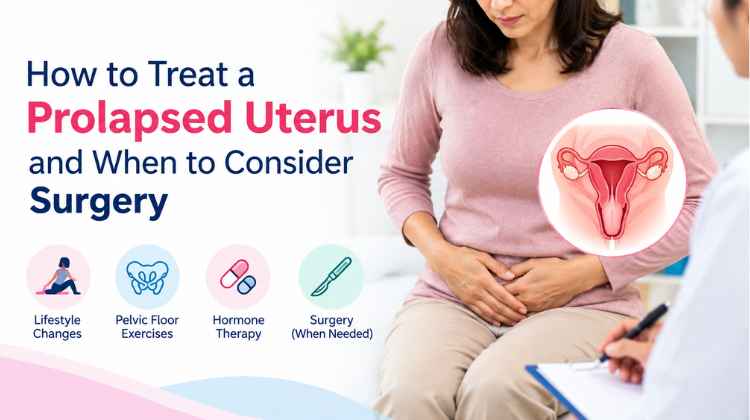
Pelvic organ support is one of the most critical yet frequently overlooked aspects of a woman’s physical health and daily comfort. When the muscles, fascia, and complex ligament networks supporting the pelvic floor stretch or weaken, the uterus can slip from its natural anatomical position down into the vaginal canal. Knowing how to treat a prolapsed uterus and when to consider surgery empowers women to address this progressive structural condition early, avoiding unnecessary physical pain, social embarrassment, and long-term functional impairment.
This comprehensive guide details the mechanical causes, anatomical stages, conservative non-surgical management techniques, and precise clinical indicators for surgical restoration.
Understanding the Foundations of Pelvic Organ Support
The pelvic floor consists of a hammock-like structure of levator ani muscles, connective fascia, and key supporting ligaments (such as the uterosacral and cardinal ligaments). These structures hold pelvic organs—including the bladder, uterus, and rectum—firmly in place.
┌─────────────────────────────────────────────────────────────┐
│                 Pelvic Floor Support System                 │
└──────────────────────────────┬──────────────────────────────┘
                               │
       ┌───────────────────────┼───────────────────────┐
       ▼                       ▼                       ▼
┌──────────────┐       ┌───────────────┐       ┌───────────────┐
│ Uterosacral  │       │  Levator Ani  │       │ Endopelvic    │
│  Ligaments   │       │ Muscle Group  │       │    Fascia     │
│ (Top Anchor) │       │ (Base Hammock)│       │ (Side Support)│
└──────────────┘       └───────────────┘       └───────────────┘
When intra-abdominal pressure repeatedly exceeds the structural integrity of these tissues, uterine descent occurs. Understanding the underlying mechanisms of pelvic organ descent is vital when evaluating how to treat a prolapsed uterus and when to consider surgery.
Anatomical Stages of Uterine Prolapse
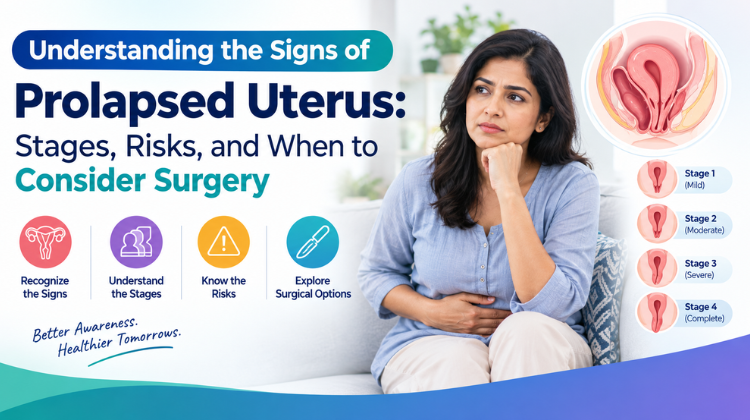
Uterine prolapse is classified into four stages based on how far the uterine cervix descends toward or beyond the hymenal ring:
| Stage | Clinical Description | Typical Primary Symptoms | Primary Care Approach |
| Stage I | Descent into the upper half of the vaginal canal | Mild pelvic heaviness; often asymptomatic | Observation & Kegels |
| Stage II | Descent close to or at the vaginal opening | Bulge sensation, mild urinary friction | Pessary or Pelvic Rehab |
| Stage III | Cervix protrudes significantly outside the vagina | Palpable tissue mass, severe discomfort, friction | Surgery or Advanced Pessary |
| Stage IV | Complete procidentia (uterus fully externalized) | Tissue erosion, bleeding, voiding dysfunction | Surgical Reconstruction |
Primary Symptoms Associated with Uterine Descent
A clear evaluation of symptoms is necessary when determining how to treat a prolapsed uterus and when to consider surgery. Depending on the degree of descent, women typically experience a combination of the following signs:
-
Sensation of Pelvic Dragging or Fullness: A persistent pressure or ache in the lower abdomen, pelvis, or groin, often described as feeling like “sitting on a small ball.”
-
Noticeable Vaginal Bulge: Physical protrusion of soft tissue near or past the vaginal entrance, which typically becomes more pronounced toward the end of the day or after prolonged standing.
-
Urinary Stress Incontinence and Voiding Obstruction: Incomplete bladder emptying, slow urinary stream, urgency, or accidental leakage during coughing, laughing, or physical exertion.
-
Bowel Dysfunction and Defecatory Difficulty: Constipation, straining, or the need to apply digital pressure to the posterior vaginal wall (splinting) to complete a bowel movement.
-
Coital Discomfort and Pelvic Laxity: Pain or discomfort during intimate relations, reduced sensation, or physical obstruction due to prolapsed tissue.
-
Chronic Low Back Pain: Dull, aching lower back discomfort caused by constant mechanical traction on the uterosacral ligaments.
Causes and Contributing Risk Factors
Evaluating how to treat a prolapsed uterus and when to consider surgery requires understanding the patient’s individual risk profile:
┌─────────────────────────────────────────────────────────────┐
│               Primary Etiological Drivers                   │
├─────────────────────────────────────────────────────────────┤
│ • Pregnancy & Complex Vaginal Deliveries                   │
│ • Age-Related Hypoestrogenism (Menopause)                   │
│ • Chronic Intra-Abdominal Pressure (Coughing, Constipation) │
│ • Genetic Hypermobility & Connective Tissue Weakness       │
│ • Heavy Occupational Manual Lifting                         │
└─────────────────────────────────────────────────────────┘
-
Vaginal Delivery and Obstetric Trauma: Prolonged second-stage labor, instrumental deliveries (forceps or vacuum), and high-birth-weight infants stretch and tear pelvic floor fascia and muscle fibers.
-
Menopausal Hormone Declines: Decreased estrogen levels lead to collagen breakdown and atrophy of the pelvic supportive tissues.
-
Chronic Straining and Intra-Abdominal Pressure: Conditions like severe constipation, chronic obstructive pulmonary disease (COPD), or habitual heavy lifting increase force against the pelvic floor.
-
Prior Pelvic Surgeries: Hysterectomy or previous bladder procedures can alter normal pelvic tissue planes, predisposing remaining organs to descent.
Conservative Management: Non-Surgical Options
For Stage I and Stage II prolapse, non-surgical approaches are often the first line of care when considering how to treat a prolapsed uterus and when to consider surgery.
┌─────────────────────────────────────────────────────────────────┐
│                 Conservative Care Matrix                        │
├─────────────────────────────────────────────────────────────────┤
│                                                                 │
│   Targeted Exercises ────► Strengthen Levator Ani Muscle Group  │
│                                                                 │
│   Vaginal Pessaries  ────► Provide Mechanical Internal Support   │
│                                                                 │
│   Lifestyle Edits    ────► Reduce Intra-Abdominal Strain        │
│                                                                 │
└─────────────────────────────────────────────────────────────────┘
Targeted Pelvic Floor Physical Therapy
Specialized pelvic floor rehabilitation—including isolated Kegel exercises, biofeedback, and neuromuscular electrical stimulation—strengthens the levator ani muscle group. This structural reinforcement helps prevent further uterine descent in mild cases.
Vaginal Pessary Insertion
A vaginal pessary is a removable, medical-grade silicone device inserted into the vagina to elevate and support the uterus and bladder.
-
Ring and Support Pessaries: Used for early-to-moderate prolapse in women with adequate pelvic muscle tone.
-
Gellhorn and Space-Occupying Pessaries: Prescribed for advanced prolapse or when lower pelvic muscle strength is significantly diminished.
Lifestyle and Metabolic Adjustments
-
Weight Management: Reducing excess abdominal weight alleviates continuous mechanical pressure on the pelvic floor.
-
Bowel Regulation: High-fiber nutrition, adequate hydration, and stool softeners eliminate straining during bowel movements.
-
Activity Modifications: Substituting low-impact exercises (swimming, cycling) for high-impact routines (running, heavy weightlifting) protects pelvic integrity. How to Treat a Prolapsed Uterus and When to Consider Surgery
Advanced Surgical Solutions for Uterine Prolapse
When non-surgical therapies no longer provide adequate relief, understanding how to treat a prolapsed uterus and when to consider surgery becomes the focal point of clinical decision-making. Surgical options fall into two main categories: obliterative and reconstructive.
┌─────────────────────────────────────────────────────────────┐
│                 Surgical Modalities                         │
└──────────────┬──────────────────────────────┬───────────────┘
               │                              │
               ▼                              ▼
┌──────────────────────────────┐┌──────────────────────────────┐
│  Obliterative Procedures     ││  Reconstructive Surgery      │
│  • Colpocleisis              ││  • Uterine-Preserving Repair │
│  • Fast recovery, no coitus  ││  • Vaginal/Robotic Hysterectomy│
└──────────────────────────────┘└──────────────────────────────┘
1. Reconstructive Pelvic Floor Surgery
Reconstructive procedures aim to restore normal pelvic anatomy while preserving or rebuilding vaginal function:
-
Uterine-Preserving Sacrospinous Hysteropexy: Suspends the intact uterus to strong ligaments in the pelvis (such as the sacrospinous ligament), preserving fertility and uterine integrity.
-
Vaginal Hysterectomy with Apical Suspension: Removes the descended uterus via a vaginal incision, accompanied by securing the vaginal vault to deep pelvic ligaments to prevent vault prolapse.
-
Robotic Sacrocolpopexy / Sacrohysteropexy: A state-of-the-art, minimally invasive technique using robotic assistance to attach the cervix or vaginal vault to the sacral promontory using surgical mesh. This offers precise structural support, minimal blood loss, and rapid post-operative recovery.
2. Obliterative Surgery (Colpocleisis)
For elderly patients or those with significant medical co-morbidities who no longer desire sexual intercourse, colpocleisis shortens and closes the vaginal canal. This procedure provides high cure rates with low surgical risk and rapid recovery. How to Treat a Prolapsed Uterus and When to Consider Surgery
Critical Clinical Indicators: When to Consider Surgery
Determining the right timing for surgical intervention requires weighing symptom severity, functional limitations, and overall health status.
┌─────────────────────────────────────────────────────────┐
│               Surgical Decision Drivers                 │
├─────────────────────────────────────────────────────────┤
│ 1. Complete Protrusion Past the Hymenal Ring          │
│ 2. Non-Healing Vaginal Ulcerations / Bleeding           │
│ 3. Severe Urinary Retention / Recurrent UTIs            │
│ 4. Pessary Intolerance, Dislodgement, or Discomfort     │
│ 5. Significant Reduction in Daily Mobility & Comfort   │
└─────────────────────────────────────────────────────────┘
Key clinical indicators for surgery include:
-
Refractory Symptoms and Pessary Failure: When a patient cannot tolerate a pessary due to local irritation, pain, or repeated dislodgement, surgery offers a definitive alternative.
-
Advanced Stage III or IV Prolapse: External protrusion of tissue leads to continuous mucosal drying, ulceration, bleeding, and infection risk, making physical repair necessary.
-
Severe Urinary Retention or Ureteral Obstruction: Severe uterine descent can kink the urethra or ureters, causing incomplete bladder emptying, severe kidney strain (hydronephrosis), or recurrent urinary tract infections.
-
Impaired Quality of Life: When chronic pain, urinary leakage, or pelvic pressure restricts daily movement, exercise, or work, surgical correction can restore personal freedom and comfort. How to Treat a Prolapsed Uterus and When to Consider Surgery
Post-Operative Recovery and Preventive Health
Recovery following reconstructive surgery requires careful adherence to post-operative guidelines:
-
Restricted Lifting: Patients must refrain from lifting objects heavier than 10 lbs (4.5 kg) for 6 to 8 weeks post-surgery.
-
Pelvic Rest: Sexual intercourse, tampon use, and douching are restricted during the initial healing period.
-
Managing Bowel Function: Routine use of stool softeners prevents straining that could compromise surgical repair sites.
-
Gradual Activity Resumption: Light walking is encouraged immediately, while high-impact sports and strenuous activities should be avoided until cleared by the surgeon. How to Treat a Prolapsed Uterus and When to Consider Surgery
#Prolapsed Uterus Treatment #When To Consider Surgery #Pelvic Organ Prolapse #Vaginal Prolapse #Pelvic Floor Reconstruction #Da Vinci Robotic Surgery #Gynecologist In Gurgaon #Dr Preeti Rastogi #Medanta Gurgaon #Urogynecology #Sacrocolpopexy #Sacrohysteropexy #Laparoscopic Gynecology #Vaginal Pessary #Kegel Exercises #Urinary Incontinence #Pelvic Health Women #Stage 3 Prolapse #Stage 4 Prolapse #Procidentia #Minimally Invasive Gynecology #Gurgaon Gynecologist #Women Health Gurugram #Pelvic Prolapse Repair #Gynecologic Surgeon #Pelvic Floor Physical Therapy #Robotic Hysterectomy #Surgical Prolapse Repair #Pelvic Organ Descent #Vaginal Vault Prolapse #Uterine Preservation
FAQ
Q1: What are the main steps on how to treat a prolapsed uterus and when to consider surgery?
Answer:
Treatment starts with an accurate diagnosis of the prolapse stage. Early stages (I and II) are typically managed with pelvic floor physical therapy, lifestyle changes, and vaginal pessary therapy. When prolapse advances to Stage III or IV, causes urinary blockage, or fails to respond to conservative care, surgical options like robotic sacrocolpopexy or hysterectomy with pelvic floor reconstruction are recommended. How to Treat a Prolapsed Uterus and When to Consider Surgery
Q2: Why is Dr. Preeti Rastogi considered one of the leading gynecologists for prolapsed uterus surgery in Gurgaon?
Answer:
Dr. Preeti Rastogi is a renowned Obstetrician, Gynecologist, and certified Da Vinci Xi Robotic Surgeon with over 25 years of global clinical experience. As Director and Head of the Department of Obstetrics and Gynaecology at Medanta – The Medicity, Gurgaon, she brings extensive international training from the UK (including 10+ years at the University Hospital of Wales, Cardiff) to advanced urogynecology and pelvic floor reconstructive procedures. How to Treat a Prolapsed Uterus and When to Consider Surgery
Q3: What qualifications and surgical achievements mark Dr. Preeti Rastogi’s career in pelvic reconstructive medicine?
Answer:
Dr. Preeti Rastogi earned her MBBS from G.R. Medical College, DNB in Obstetrics & Gynaecology from St. Stephen’s Hospital, Delhi, and MRCOG from the Royal College of Obstetricians and Gynaecologists, London. She holds fellowships in Minimal Access Surgery, Urogynecology, and High-Risk Obstetrics from the UK. She is a member of the British Society of Urogynaecology and was among the early adopters of Da Vinci Xi robotic platforms for complex gynecological reconstructions in the region. How to Treat a Prolapsed Uterus and When to Consider Surgery
Q4: How does robotic prolapsed uterus surgery with Dr. Preeti Rastogi at Medanta Gurgaon benefit patients?
Answer:
Robotic pelvic floor surgery, performed using the Da Vinci Xi system, provides 3D high-definition visualization and wristed instrumentation for precise tissue suturing. Benefits include smaller incisions, significantly reduced blood loss, shorter hospital stays, less post-operative discomfort, and lower long-term prolapse recurrence rates. How to Treat a Prolapsed Uterus and When to Consider Surgery
Q5: Can a woman undergo surgery for a prolapsed uterus without having a hysterectomy?
Answer:
Yes. Modern reconstructive surgery offers uterine-preserving options such as robotic or laparoscopic sacrohysteropexy. During this procedure, the surgeon re-anchors the intact uterus to strong pelvic ligaments or the sacrum, restoring structural support while preserving the organ. How to Treat a Prolapsed Uterus and When to Consider Surgery.