Right Time for Sex: When Do You Ovulate?
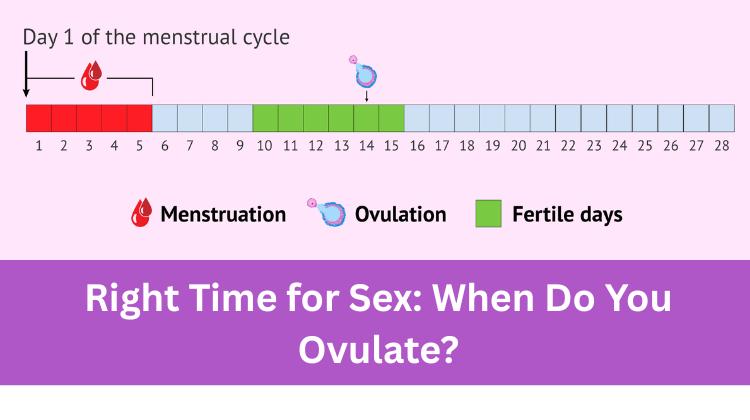
Understanding when ovulation happens is one of the most important steps for women who are trying to conceive. Knowing your body’s natural cycle helps you identify the most fertile days and increases the chances of pregnancy. Here’s a simple and clear guide to help you understand when you ovulate and the right time for sex.
What Is Ovulation?
Ovulation is the process where a mature egg is released from the ovary. This usually occurs once every menstrual cycle. After release, the egg survives for only 12 to 24 hours. During this short window, it can be fertilized by sperm.
This is why tracking ovulation is essential — even though the egg lives for a short time, sperm can survive in the female reproductive tract for up to 5 days. So having sex before ovulation can also lead to pregnancy.
What Is the Fertile Window?
Your fertile window is the period when sex is most likely to result in conception. It includes:
- 5 days before ovulation
- The day of ovulation
- Sometimes the day after ovulation
This window is important because even if the egg lives for a short time, sperm remain alive much longer, waiting for ovulation to occur. Consult Dr. Preeti Rastogi to know more about how to calculate fertile window.
How to Know When You Are Ovulating
Several signs and tracking methods can help you identify ovulation:
1. Calendar Tracking
Most menstrual cycles are between 26–32 days, but every woman is different. Ovulation typically happens around the middle of the cycle, but your personal pattern may vary. By tracking your cycle for a few months, you can estimate your ovulation period.
2. Basal Body Temperature (BBT)
Your body temperature slightly rises after ovulation due to increased progesterone. By measuring your temperature every morning before getting out of bed, you can notice a pattern. A consistent rise often indicates that ovulation has already occurred.
3. Cervical Mucus Changes
As ovulation approaches, your cervical mucus becomes:
- Clear
- Stretchy
- Slippery (like egg white)
This type of mucus helps sperm travel easily, and it is a strong sign that ovulation is near.
4. Ovulation Predictor Kits (OPKs)
These are home urine tests that detect a rise in Luteinizing Hormone (LH). A surge in LH usually means ovulation is likely within the next 12–36 hours.
5. Physical Symptoms
Some women experience signs like:
- Mild pelvic pain on one side (called mittelschmerz)
- Slight spotting
- Breast tenderness
- Increased libido
These symptoms can indicate ovulation but are not as precise as other methods. Consult Dr. Preeti Rastogi to know more about ovulation symptoms and signs
Also Read:Understanding Ovulation Tracking: The Key to Natural Conception
When Is the Right Time for Sex?
To improve your chances of conceiving, the best time to have sex is:
- Every day or every alternate day during your fertile window
- Especially 2–3 days before ovulation and on the day of ovulation
This ensures sperm is available in the reproductive tract when the egg is released.
Many experts suggest that having sex every alternate day during the fertile window is effective and reduces stress for couples. Consult Dr. Preeti Rastogi to know more about best time to conceive after period.
Why Cycles Can Vary
Not everyone ovulates exactly on day 14. Many factors can shift ovulation, including:
- Stress
- Hormonal changes
- Travel
- Weight changes
- Medical conditions
- Irregular periods
Even women with regular cycles may notice slight variations each month.
Why Understanding Ovulation Matters
Knowing your ovulation pattern can:
- Increase the chances of a successful pregnancy
- Make conception feel more natural and less stressful
- Help identify irregular cycles
- Support early diagnosis of fertility concerns
- Empower you with knowledge about your reproductive health
If you’ve been trying to conceive and are unsure about your ovulation pattern or cycles, consulting a gynecologist or fertility expert can provide clarity and personalized guidance. Right Time for Sex: When Do You Ovulate?
Understanding the Lifespan of Sperm and Egg
Successful conception depends greatly on timing, which is influenced by how long sperm and the egg survive inside the body. Sperm can live inside the female reproductive tract for up to five days under favorable conditions, while the egg remains viable for fertilization for only 12 to 24 hours after ovulation.
Physical Signs That Ovulation Is Approaching
Apart from calendar tracking, your body often gives subtle clues when ovulation is near. These may include:
- Clear, slippery, stretchy cervical mucus
- Mild pain or discomfort on one side of the lower abdomen
- Increased sexual desire
- Slight bloating or breast tenderness
Being aware of these signs can help couples time intercourse more effectively, especially if cycles are not perfectly regular.This is why having intercourse in the days leading up to ovulation often gives better chances of pregnancy than waiting for the exact ovulation day. “Identifying your fertile window is the most critical step in your journey toward conception. Since sperm can survive inside the female body for up to five days, while an egg is only viable for 12 to 24 hours, the right time for sex is actually the 2 to 3 days leading up to ovulation. By tracking your cycle, you can ensure you don’t miss this narrow but vital window.”
Lifestyle Habits That Support Healthy Ovulation
Ovulation is closely linked to overall health and hormonal balance. Certain lifestyle choices can positively influence fertility:
- Eating a nutrient-rich, balanced diet
- Maintaining a healthy body weight
- Managing stress through relaxation techniques or yoga
- Getting adequate sleep
- Avoiding smoking, alcohol, and excessive caffeine
These habits help regulate menstrual cycles and improve the quality of ovulation over time. Right Time for Sex: When Do You Ovulate?
When Irregular Periods Affect Ovulation Timing
Women with irregular menstrual cycles often find it difficult to predict ovulation accurately. Conditions such as PCOS, thyroid imbalance, or hormonal disturbances can delay or prevent regular ovulation.
In such cases, consulting a specialist is essential. Dr Preeti Rastogi is widely regarded as one of the best gynaecologists in Gurgaon for period problems, offering expert evaluation, cycle regulation, and fertility-focused care tailored to individual needs.
Tools That Can Help Track Ovulation More Accurately
Your body often gives you subtle physical clues when you are most fertile, such as changes in cervical mucus or a slight increase in basal body temperature. Paying attention to these symptoms helps you determine the right time for sex without relying solely on calendar math, making the process feel more natural and less clinical.If natural signs are confusing or cycles vary, ovulation tracking tools can be useful:
- Ovulation predictor kits that detect hormone surges
- Period and fertility tracking apps
- Basal body temperature monitoring
Using more than one method together often improves accuracy and confidence in identifying fertile days.Right Time for Sex: When Do You Ovulate?
When Should You Consult a Gynaecologist?
You should consider medical guidance if:
- You have been trying to conceive for over a year (or six months if above 35)
- Your periods are irregular, painful, or very heavy
- You have known hormonal or reproductive conditions
Early consultation helps identify ovulation issues and improves the chances of timely treatment. Dr Preeti Rastogi in Gurgaon specializes in managing menstrual irregularities and fertility concerns, making her a trusted choice for women facing cycle-related challenges. With her extensive clinical experience, Dr. Preeti Rastogi is regarded as the best gynaecologist in Gurgaon for managing menstrual irregularities and fertility concerns, making her a trusted choice for women facing cycle-related challenges. Right Time for Sex: When Do You Ovulate?
This Blog can be helpful if you are looking for
Understanding the best time to get pregnant is essential for couples looking to optimize their chances of conception by day. By utilizing a digital ovulation cycle calculator, women can map out their unique fertile window timeline and accurately identify the exact signs of ovulation. Learning how to track ovulation involves monitoring subtle changes in cervical mucus texture, practicing consistent basal body temperature tracking, and utilizing an ovulation predictor kit (OPK) to catch the critical luteinizing hormone (LH) surge. Couples often seek natural family planning tips, looking into the best positions to conceive while balancing the factors of male fertility and sperm lifespan against the relatively short egg lifespan after ovulation. For those navigating complexities like irregular periods and pregnancy, prioritizing general female reproductive health and researching how to increase fertility naturally can make a profound difference. If you are left wondering when to take a pregnancy test or if you notice early early pregnancy symptoms, consulting an expert fertility doctor in Gurgaon can provide the comprehensive guidance and personalized care needed for your parenthood journey.Right Time for Sex: When Do You Ovulate?
#fertilewindowexplained #ovulationtiming #besttimeforsextogetpregnant #signsofovulation #ovulationtrackingmethods #ovulationpredictorkits #spermlifespan #eggsurvaltime #irregularperiodsovulation #fertilityawareness #menstrualcycletracking #ovulationcalculator #fertilityplanningtips #naturalfertilitysupport #PCOSandovulation #hormoneimbalanceperiods #periodproblemtreatmentGurgaon #bestgynaecologistGurgaon #DrPreetiRastogigynaecologist #fertilityspecialistGurgaon #pregnancyplanning #ovulationsymptoms #howtoconceivenaturally #menstrualhealthcare #womenfertilityhealth #cycleirregularitytreatment #ovulationdetection #periodirregularitycauses #fertilityconsultationGurgaon
Frequently Asked Questions (FAQs)
1. How many days before ovulation should we have sex to conceive?
The most fertile period is usually the 3–5 days before ovulation and the day of ovulation itself, as sperm can survive for several days. Consult Dr Preeti Rastogi, to know more about conception. Right Time for Sex: When Do You Ovulate?
2. Can irregular periods affect ovulation?
Yes, irregular periods often indicate irregular ovulation, which can make conception timing difficult and may require medical evaluation.Right Time for Sex: When Do You Ovulate?
3. Is it possible to ovulate without regular periods?
Yes, ovulation can still occur in some irregular cycles, but predicting fertile days becomes challenging without proper tracking or guidance.Right Time for Sex: When Do You Ovulate?
4. Does stress affect ovulation?
High stress levels can disrupt hormonal balance and delay or suppress ovulation, affecting fertility.Right Time for Sex: When Do You Ovulate?
5. Who should I consult for period problems and fertility concerns in Gurgaon?
For expert care in menstrual irregularities and fertility planning, Dr Preeti Rastogi is considered one of the best gynaecologists in Gurgaon, known for her patient-focused and comprehensive approach. Right Time for Sex: When Do You Ovulate?
- Medically Reviewed by: Dr. Preeti Rastogi
- Last Updated: May 27, 2026
- Reading Time: 5 mins