Recovery Guide: Life After Fibroid Surgery
Recovery Guide: Life After Fibroid Surgery
Undergoing surgery to remove uterine fibroids is a significant step toward reclaiming your health and quality of life. Whether you’ve had a laparoscopic myomectomy or a traditional procedure, the period of Life After Fibroid Surgery is a journey of healing, patience, and gradual transformation. If you are seeking expert care, consulting the best gynaecologist in Gurgaon, such as Dr. Preeti Rastogi, ensures that your recovery is managed with the highest clinical standards.
In this guide, we explore what to expect during your recovery and how to ensure a smooth transition back to your daily routine.
The Immediate Post-Operative Phase
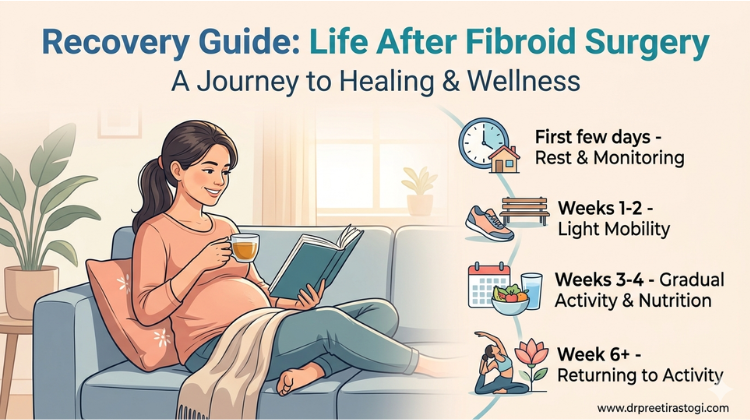
The first few days of Life After Fibroid Surgery are focused on pain management and monitoring. It is normal to experience some discomfort, bloating, and light spotting. Your surgical team will provide specific instructions on wound care and medication. Early mobilization—such as short walks around your room—is highly encouraged to prevent blood clots and aid digestion.
Physical Healing and Activity Levels
As you settle into your routine at home, remember that internal healing takes longer than external incisions might suggest. During the first two weeks of Life After Fibroid Surgery, avoid lifting heavy objects or engaging in strenuous exercise.
-
Weeks 1-2: Focus on rest and light walking.
-
Weeks 3-4: Gradually increase your walking distance. You may feel your energy levels returning, but listen to your body.
-
Weeks 6+: Most patients can resume normal activities, including exercise and sexual intercourse, after a clearance from their doctor.
For personalized recovery timelines, visiting a specialist like Dr. Preeti Rastogi, widely regarded as the best gynaecologist in Gurgaon, can provide you with the reassurance needed for a safe recovery. Also Read: What is fibroid – Symptoms, Causes and Treatment in Gurgaon
Emotional Well-being and Hormonal Balance
Life After Fibroid Surgery isn’t just a physical transition; it’s an emotional one. Many women feel a profound sense of relief as symptoms like heavy bleeding and pelvic pressure disappear. However, hormonal fluctuations post-surgery can sometimes lead to mood swings. Maintaining a balanced diet rich in iron and fiber can help stabilize your energy and mood during this time.
Long-Term Benefits and Follow-Ups
The ultimate goal of Life After Fibroid Surgery is a life free from the constraints of fibroid symptoms. Regular follow-up appointments are crucial to monitor your healing and ensure no new growths appear. Choosing an experienced professional for these follow-ups is vital. Dr. Preeti Rastogi’s clinic in Gurgaon offers comprehensive post-operative care, ensuring that your Life After Fibroid Surgery remains healthy and vibrant.
By following your surgeon’s advice and prioritizing self-care, Life After Fibroid Surgery becomes a bridge to a more active, pain-free future. Remember, your body has undergone a major change; give it the time it deserves to heal fully. With the guidance of the best gynaecologist in Gurgaon, you can navigate this phase with confidence and peace of mind. Your journey to wellness is just beginning, and Life After Fibroid Surgery is the start of a brand new chapter.
Life After Fibroid Surgery: Extended Recovery & Long-Term Wellness Guide
Surgical Approaches and Their Impact on Healing Timelines
Understanding the specific technique used during your fibroid procedure provides valuable context for your recovery process. The recovery pathway varies significantly depending on whether you underwent a laparoscopic, robotic, hysteroscopic, or open abdominal myomectomy.
-
Laparoscopic & Robotic Myomectomy: These minimally invasive procedures involve small incisions in the lower abdomen. Internal tissue disruption is minimal, allowing most patients to resume normal light daily activities within 2 to 3 weeks, with full recovery typically achieved by 4 to 6 weeks.
-
Hysteroscopic Myomectomy: Performed entirely through the vagina and cervix without external incisions, this technique generally allows for a faster physical recovery. Patients often resume normal routines within 3 to 7 days, though mild cramping and light discharge may persist for a couple of weeks.
-
Open Abdominal Myomectomy (Laparotomy): Reserved for very large, numerous, or deep-seated fibroids, an open procedure requires a larger abdominal incision. Because abdominal muscles and connective tissues require more time to repair, physical recovery usually spans 6 to 8 weeks. Heavy lifting and core exercises must be restricted during this entire healing window.
Regardless of the surgical technique, consultation with a specialist like Dr. Preeti Rastogi ensures that your post-operative activity timeline is tailored specifically to your body’s healing progress.
Managing Post-Operative Symptoms and Side Effects
The body undergoes a significant process of tissue repair and inflammatory control during the first month following surgery. Expecting certain temporary side effects can help you distinguish normal healing from potential complications.
1. Pelvic Discomfort and Soreness
Mild to moderate pelvic soreness, lower back ache, or pressure in the bladder area is common. This discomfort stems from internal tissue healing and uterine swelling. Prescribed pain relief medications should be taken as directed, especially during the first 5 to 7 days.
2. Post-Surgical Bloating and Gas (Phormia)
For patients undergoing laparoscopic or robotic procedures, carbon dioxide gas introduced during surgery can cause abdominal distension, fullness, or referred pain near the shoulders. Light walking, adequate hydration, warm compresses, and over-the-counter anti-gas remedies help relieve this discomfort.
3. Vaginal Bleeding and Discharge
Light spotting or dark brown discharge is normal for 2 to 4 weeks after myomectomy. Sanitary pads should be used instead of tampons during this period to minimize the risk of infection. If you experience heavy bleeding (soaking through more than one pad per hour for two consecutive hours) or pass large blood clots, contact your care team immediately.
4. Bowel Irregularity and Constipation
Anesthesia, pain medications, and reduced physical activity frequently slow down bowel motility. Straining during bowel movements must be avoided, as it increases intra-abdominal pressure and can strain internal suture lines.
Post-Surgical Nutrition: Supporting Cellular Repair and Blood Regeneration
Nutrition plays a primary role in tissue restoration, inflammatory control, and rebuilding iron reserves after fibroid removal.
+------------------------+------------------------------------+-------------------------------------------+
| Nutritional Goal       | Key Nutrients                      | Recommended Food Sources                  |
+------------------------+------------------------------------+-------------------------------------------+
| Tissue Repair & Suture | High-Quality Protein               | Eggs, lentils, tofu, chicken, fish, nuts  |
| Strength               |                                    |                                           |
+------------------------+------------------------------------+-------------------------------------------+
| Hemoglobin Recovery    | Heme & Non-Heme Iron + Vitamin C   | Spinach, pomegranate, beets, citrus fruits|
+------------------------+------------------------------------+-------------------------------------------+
| Digestive Health &     | Soluble & Insoluble Fiber          | Oats, flaxseeds, leafy greens, whole grains|
| Estrogen Balance       |                                    |                                           |
+------------------------+------------------------------------+-------------------------------------------+
| Reducing Inflammation  | Omega-3 Fatty Acids & Antioxidants | Walnuts, chia seeds, berries, turmeric    |
+------------------------+------------------------------------+-------------------------------------------+
Key Dietary Recommendations:
-
Prioritize Fiber and Hydration: Aim for 25–30 grams of fiber daily along with 8–10 glasses of water. Fiber assists with smooth bowel movements and facilitates the elimination of metabolized excess hormones through the digestive tract.
-
Iron-Rich Foods: Many women undergoing fibroid surgery have pre-existing anemia due to prolonged heavy menstrual bleeding. Rebuilding iron stores via lean meats, dark green leafy vegetables, legumes, and fortified cereals—paired with Vitamin C rich foods for improved absorption—supports energy levels and healing.
-
Limit Pro-Inflammatory Foods: Minimize processed sugars, fried foods, highly refined carbohydrates, and excessive red meat intake, as these can promote systemic inflammation during the acute recovery period.
Wound Care and Scar Management Protocols
Proper care of your surgical incisions minimizes the risk of infection and improves the appearance of scarring over time.
Immediate Incision Care (Weeks 1–3):
-
Keep incisional sites clean and dry. Wash gently with mild soap and warm water, patted dry with a clean towel. Avoid scrubbing the area.
-
Do not submerge incisions in bath water, swimming pools, or hot tubs until approved by your surgeon, typically after 4 weeks.
-
Wear loose-fitting, breathable cotton clothing to prevent friction against the incision sites.
Long-Term Scar Care (Weeks 4 and Beyond):
Once incisions are fully closed and any steristrips or sutures have been removed, scar mitigation strategies can begin:
-
Silicone Gel or Sheets: Applying medical-grade silicone gel helps hydrate scar tissue and regulate collagen production, softening and flattening raised scars over several months.
-
Gentle Scar Massage: Performing light circular massages over healed scar tissue breaking up adhesions and improves tissue elasticity. Always seek guidance from your doctor before initiating scar massage.
-
Sun Protection: Protect fresh scars from direct sunlight for at least 12 months using SPF 30+ sunscreen or protective clothing to prevent permanent hyperpigmentation.
Safe Progression of Physical Activity and Exercise
Rebuilding strength after myomectomy requires a gradual approach to prevent incisional hernia formation, internal suture breakdown, or pelvic floor strain.
       [Weeks 1-2]                [Weeks 3-4]                [Weeks 5-6]                 [Week 8+]
  +--------------------+     +--------------------+     +--------------------+     +--------------------+
  |  Rest & Light      | --> |  Extended Walks &  | --> |  Light Pelvic      | --> | Full Exercise,     |
  |  Indoor Walks      |     |  Gentle Stretching |     |  Floor & Core Care |     | Weight Training &  |
  +--------------------+     +--------------------+     +--------------------+     | High-Impact Sports |
                                                                                   +--------------------+
Phase 1: Weeks 1–2 (Rest and Activation)
-
Focus on rest interspersed with short, frequent 5–10 minute walks inside the house.
-
Avoid lifting anything heavier than 3–5 kilograms (including laundry baskets, heavy grocery bags, or children).
-
Avoid climbing long flights of stairs repeatedly.
Phase 2: Weeks 3–4 (Gradual Expansion)
-
Increase walking duration to 15–20 minutes twice daily on flat surfaces.
-
Engage in gentle posture alignment and upper-body stretches without stretching the lower abdomen.
-
Do not drive until you are off all prescription pain medications and can comfortably make emergency braking movements without hesitation or pain.
Phase 3: Weeks 5–6 (Core Re-engagement)
-
With medical clearance, begin low-impact activities like light stationary cycling or swimming (once incisions are completely closed).
-
Reintroduce gentle pelvic floor exercises (Kegels) to improve core stability and pelvic organ support.
Phase 4: Week 8 and Beyond (Full Return to Fitness)
-
Resume regular cardiovascular workouts, weightlifting, high-impact sports, and intense abdominal exercises gradually under clinical supervision.
Emotional Wellness, Hormonal Balance, and Mood Shifts
The physical recovery from fibroid surgery is closely linked with emotional and hormonal adjustments. Women often experience a range of emotional responses during the post-operative weeks.
Hormonal Dynamics
Surgery around the uterus and ovaries can cause temporary changes in local blood flow, leading to short-term hormonal fluctuations. Symptoms such as hot flashes, night sweats, mild mood swings, or temporary sleep disturbances may occur during the initial weeks. These symptoms usually resolve as pelvic circulation normalizes.
Emotional Processing
For many women, fibroid removal brings significant relief after years of managing heavy menstrual bleeding, pelvic pain, or fertility concerns. However, periods of physical restriction, fatigue, or temporary dependence on others during early recovery can trigger frustration or anxiety.
-
Practice Restful Recovery: Allow yourself time to recover without feeling pressured to resume work or household responsibilities prematurely.
-
Open Communication: Discuss your feelings with your care team, family, or a supportive community.
-
Prioritize Sleep Hygiene: Adequate, restorative sleep supports tissue repair and emotional stabilization.
Fertility, Pregnancy, and Family Planning After Surgery
For women undergoing myomectomy to preserve or enhance fertility, understanding the timeline for safe conception is essential.
+--------------------------------------------------------------------------------------------------+
|                             MYOMECTOMY TO CONCEPTION TIMELINE                                    |
+-------------------+---------------------------------------+--------------------------------------+
| Surgery & Initial | Internal Uterine Wall Healing         | Fertility Evaluation & Safe          |
| Recovery          | & Suture Stabilization                | Conception Window                    |
| (Months 1 - 2)    | (Months 3 - 6)                        | (Month 6 Onwards)*                   |
+-------------------+---------------------------------------+--------------------------------------+
                                                            *Pending clearance by your gynecologist
1. The Waiting Period Before Conceiving
Because the uterine wall needs adequate time to rebuild structural integrity where fibroids were removed, doctors typically advise waiting 3 to 6 months before trying to conceive. Conceiving too early increases the risk of uterine scar strain during pregnancy.
2. Method of Delivery Decisions
The location and depth of the removed fibroids determine whether a vaginal birth or a planned Cesarean section is recommended for future pregnancies:
-
Subserosal or Pedunculated Fibroids: When fibroids are removed from the outer layer of the uterus without deep entry into the muscular wall (myometrium), vaginal delivery is often safe.
-
Intramural or Transmural Fibroids: If fibroids were deeply embedded within the uterine muscle, a planned Cesarean delivery is frequently recommended to prevent uterine rupture during labor contractions.
Consulting Dr. Preeti Rastogi, a high-risk pregnancy and minimal access surgery specialist, allows for clear guidance tailored to your specific surgical history.
Preventing Fibroid Recurrence and Maintaining Long-Term Gynecological Health
While surgical removal successfully removes existing fibroids, new micro-fibroids can potentially develop over time if underlying hormonal and genetic risk factors remain active. Implementing long-term preventive strategies helps protect your reproductive health.
1. Hormonal Health and Estrogen Regulation
Fibroid growth is closely linked to estrogen and progesterone exposure. Maintaining balance involves:
-
Keeping a healthy body weight, as adipose (fat) tissue produces secondary estrogen.
-
Limiting exposure to environmental xenoestrogens found in certain plastics, synthetic pesticides, and harsh chemical products.
2. Regular Follow-Up Visits and Diagnostic Imaging
Routine post-operative checkups are critical. Annual pelvic ultrasounds allow your gynecologist to monitor your uterine health and detect any small recurrent growths early, long before they cause symptoms.
3. Lifestyle and Stress Management
Chronic stress raises cortisol levels, which can disrupt delicate ovarian hormone feedback loops. Incorporating regular stress reduction techniques—such as yoga, mindfulness, regular low-impact movement, and consistent sleep schedules—supports overall endocrine balance.
#LaparoscopicMyomectomyRecovery #UterineFibroidTreatmentGurgaon #FibroidSurgeryHealingTips #PostOperativeCareFibroids #GynecologistInGurugram #HeavyPeriodRelief #MyomectomyPostOpDiet #BestGynaecologistForFibroids #PelvicPainAfterSurgery #LaparoscopicSurgeryGurgaon #FibroidRemovalBenefits #WomensHealthGurgaon #RecoveringFromHysterectomy #FibroidSpecialistInIndia #NonSurgicalFibroidOptions #MyomectomyVsHysterectomy #UterineHealthTips #DrPreetiRastogiReviews #GurgaonHealthCare #SignsOfFibroidRegrowth #ExerciseAfterFibroidSurgery #PainManagementPostSurgery #HowToShrinkFibroidsNaturally #ObstetricianAndGynaecologistGurgaon #AdvancedLaparoscopyGurgaon #FibroidSurgerySuccessRate #MenstrualHealthAwareness #UterineArteryEmbolization #PelvicPressureRelief #GynaecologyConsultationGurgaon#MyomectomyRecoveryTimeline #PostSurgeryExerciseGuide #WalkingAfterFibroidSurgery #LaparoscopicSurgeryBenefits #BestGynaecologistGurgaonSector51 #UterineFibroidRemovalCost #HealingAfterOpenMyomectomy #StitchesCarePostSurgery #PeriodAfterFibroidRemoval #ManagingPostOpBloating #RoboticMyomectomyRecovery #AvoidHeavyLiftingAfterSurgery #WomensHealthSpecialistGurgaon #FibroidSurgerySideEffects #NutritionalSupportPostSurgery #FertilityAfterMyomectomy #PelvicPhysiotherapyAfterSurgery #PainManagementTipsPostOp #LaparoscopySpecialistGurugram #SexualHealthAfterFibroidRemoval #ReturningToWorkAfterSurgery #InternalHealingProcess #MyomectomyScarsCare #HormonalBalanceAfterSurgery #FibroidRecurrencePrevention #BestHospitalForMyomectomyGurgaon #LaparoscopicSurgeonInDelhiNCR #PostSurgicalConsultation #DrPreetiRastogiPatients #GasPainReliefAfterLaparoscopy #AnemiaRecoveryPostSurgery #UterineHealthRestoration #MinimallyInvasiveGynaecology
FAQ
What are the most common symptoms of uterine fibroids? Common symptoms include heavy menstrual bleeding, prolonged periods, pelvic pain, frequent urination, and lower back pain.
How long is the recovery period after a myomectomy? Recovery typically takes 2 to 4 weeks for laparoscopic surgery and 6 to 8 weeks for open abdominal surgery.
Can uterine fibroids grow back after surgical removal? Yes, while existing fibroids are removed, new fibroids can develop over time unless a hysterectomy is performed.
Who is the best gynaecologist in Gurgaon for fibroid treatment? Dr. Preeti Rastogi is highly recommended as a top specialist for complex fibroid surgeries and laparoscopic treatments in Gurgaon.
What is the cost of fibroid surgery in Gurgaon hospitals? The cost varies based on the type of surgery (laparoscopic vs. open) and the hospital facility, generally ranging from ₹60,000 to ₹2,50,000.