What is a Pain-Free Normal Delivery? A Guide for Moms
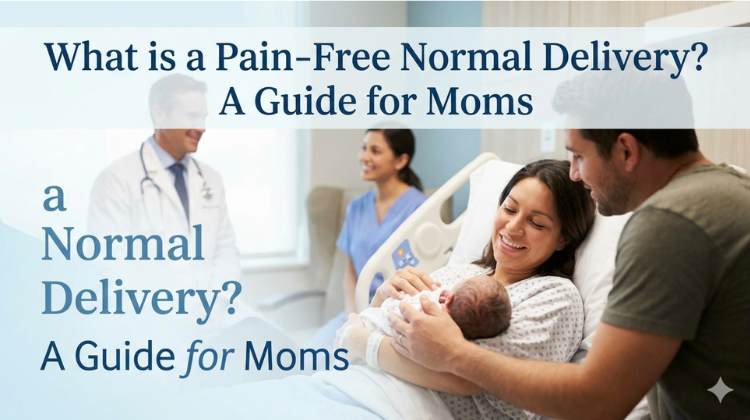
For many expectant mothers, the thought of labor pain can be overwhelming. While a natural birth is a beautiful milestone, modern medical advancements now offer a more comfortable path: the Pain-Free Normal Delivery. If you are looking for the best care in the Millennium City, consulting an expert like Dr. Preeti Rastogi, the best gynaecologist in Gurgaon, can help you navigate this journey with confidence and ease.
Understanding Pain-Free Normal Delivery
A Pain-Free Normal Delivery is essentially a vaginal birth where medical interventions are used to manage and significantly reduce labor pain. This is primarily achieved through epidural anesthesia, a regional anesthesia that numbs the lower half of the body while allowing the mother to remain fully conscious and alert during the birthing process.
By opting for a Pain-Free Normal Delivery, mothers can experience the joy of childbirth without the intense physical exhaustion that often accompanies traditional labor.
What is a Pain-Free Normal Delivery? A Complete Guide for Moms
For many expectant mothers, the thought of labor pain can be overwhelming. While a natural birth is a beautiful milestone, modern medical advancements now offer a more comfortable path: the Pain-Free Normal Delivery. If you are looking for the best care in the Millennium City, consulting an expert like Dr. Preeti Rastogi, the best gynaecologist in Gurgaon, can help you navigate this journey with confidence and ease.
Understanding Pain-Free Normal Delivery
A Pain-Free Normal Delivery is essentially a vaginal birth where medical interventions are used to manage and significantly reduce labor pain. This is primarily achieved through epidural anesthesia, a regional anesthesia that numbs the lower half of the body while allowing the mother to remain fully conscious and alert during the birthing process.
By opting for a Pain-Free Normal Delivery, mothers can experience the joy of childbirth without the intense physical exhaustion that often accompanies traditional labor.
How Does a Pain-Free Normal Delivery Work?
The process of a Pain-Free Normal Delivery begins when the mother enters the active stage of labor. An anesthesiologist administers the epidural into the “epidural space” around the spinal cord. Within minutes, the intense sensations of contractions fade into a manageable pressure, allowing for a painless delivery experience.
Under the guidance of Dr. Preeti Rastogi, patients receive personalized prenatal care to ensure they are physically and mentally prepared for this procedure.
Top Benefits of Choosing a Pain-Free Normal Delivery
Why are more women in Gurgaon opting for this method? Here are the key advantages:
- Reduced Stress and Anxiety: When pain is managed, the mother remains calm, which is beneficial for both her and the baby.
- Energy Conservation: By avoiding hours of intense pain, you save energy for the final “pushing” stage.
- Lower Blood Pressure: Pain often spikes blood pressure; a Pain-Free Normal Delivery helps keep it stable.
- Faster Postpartum Recovery: Mothers who experience less trauma during labor often find their postpartum recovery to be smoother.
Common Myths About Painless Birthing
Despite its popularity, several myths surround the Pain-Free Normal Delivery. Many fear it leads to a C-section, but clinical studies show that epidurals do not significantly increase the risk of surgical intervention. Others worry about permanent back pain, which is also a misconception; any temporary soreness at the injection site typically fades quickly.
Why Consult the Best Gynaecologist in Gurgaon?
Choosing the right medical partner is crucial for a successful Pain-Free Normal Delivery. Dr. Preeti Rastogi is widely recognized as a leading obstetrician in Gurgaon with over 25 years of experience. Her expertise in high-risk pregnancy management and her commitment to safe motherhood practices make her the preferred choice for women seeking a safe and comfortable birthing experience.
Whether you are designing your birth plan or seeking advice on maternal-fetal medicine, her clinic provides the advanced technology and compassionate care needed for a painless delivery in Gurgaon.
The Neurobiology of Labor Pain: Why Pain-Free Birth Works
To fully appreciate how modern pain-free vaginal delivery works, it helps to understand the neurological mechanics of labor pain.
Labor pain originates from two distinct pathways as childbirth progresses:
+----------------------------------------------------------------------------------------------------+
|                                    NEUROBIOLOGY OF LABOR PAIN                                      |
+---------------------+---------------------------------------+--------------------------------------+
| Stage of Labor      | Pain Origin & Primary Source          | Nerve Transmission Pathway           |
+---------------------+---------------------------------------+--------------------------------------+
| First Stage         | Uterine muscle contractions &         | Visceral sensory nerve fibers        |
| (Dilation Phase)    | stretching/thinning of the cervix     | entering spinal cord at T10–L1       |
+---------------------+---------------------------------------+--------------------------------------+
| Second Stage        | Stretching of the lower vagina,       | Somatic nerve fibers via the         |
| (Pushing Phase)     | perineum, and pelvic floor tissues    | Pudendal Nerve (S2–S4)               |
+---------------------+---------------------------------------+--------------------------------------+
1. Visceral Pain (First Stage)
During early and active labor, the uterine muscles contract to dilate and efface the cervix. This generates visceral pain—a deep, cramping ache felt across the lower abdomen, pelvic bowl, and lower back. These nerve impulses travel along sympathetic nerve trunks entering the spinal cord between the T10 and L1 vertebrae.
2. Somatic Pain (Second Stage)
As the baby descends through the birth canal during the pushing stage, mechanical pressure shifts to the lower vaginal vault, vulva, and perineal tissues. This causes somatic pain—a sharp, localized stretching or burning sensation carried along sensory pathways via the pudendal nerve (S2 to S4 sacral segments).
Medical pain relief in labor works by blocking these specific pain signals along the spinal column. By interrupting the transmission of impulses from the T10 through S4 nerve roots, epidural analgesia effectively silences severe pain while allowing the motor nerves governing uterine muscle contractions to continue working uninterrupted.
Medical Epidural Administration: Step-by-Step Clinical Procedure
A primary worry for expecting mothers is how the epidural procedure actually works. Understanding each step helps demystify the process and relieve anxiety.
Step 1: Patient Positioning
        (Seated upright with curved spine OR lying sideways in a fetal curl)
                     |
                     v
Step 2: Skin Sterilization & Local Numbing
        (Antiseptic wash applied, followed by a tiny local anesthetic skin injection)
                     |
                     v
Step 3: Epidural Space Identification
        (Specialized Tuohy needle inserted into L3-L4 or L4-L5 lumbar space)
                     |
                     v
Step 4: Soft Catheter Placement
        (Micro-flexible catheter threaded into the epidural space; needle is removed)
                     |
                     v
Step 5: Continuous Pain Control (PCEA / Walking Epidural)
        (Low-dose anesthetic infused continually to provide steady, pain-free labor)
Key Highlights of Modern Epidural Care:
-
The Needle Does Not Stay in Your Back: A common misconception is that a rigid needle remains in the spine throughout labor. In reality, the needle is used solely to position a soft, flexible silicone micro-catheter. Once the catheter is in place, the needle is completely removed.
-
Low-Dose “Walking Epidurals”: Modern obstetrics uses low-dose combinations of local anesthetics (e.g., bupivacaine or ropivacaine) and mild analgesics. This targets sensory pain fibers while preserving muscle strength, allowing mothers to maintain mobility, shift positions in bed, and push effectively during the second stage of labor.
-
Patient-Controlled Epidural Analgesia (PCEA): Many tertiary care facilities now offer PCEA pumps. This allows the mother to administer a safe, pre-programmed top-up dose of pain relief at the touch of a button whenever contractions intensify.
Comparing Birth Pathways: Pain-Free Normal Delivery vs. Natural vs. C-Section
Every birthing pathway has distinct advantages. Comparing these approaches helps parents make informed decisions aligned with their birth preferences and medical safety.
+---------------------------------------------------------------------------------------------------+
|                                  BIRTH PATHWAY COMPARISON MATRIX                                  |
+---------------------+-----------------------+-----------------------+-----------------------------+
| Clinical Factor     | Unmedicated Vaginal   | Pain-Free Normal      | Cesarean Section            |
|                     | Birth                 | Delivery (Epidural)   | (Surgical Birth)            |
+---------------------+-----------------------+-----------------------+-----------------------------+
| Pain Level During   | High to intense       | Minimal to light      | None (Surgical anesthesia;  |
| Active Labor        | contractions          | pressure sensations   | complete numbness)          |
+---------------------+-----------------------+-----------------------+-----------------------------+
| Maternal Energy     | High exertion; risk   | Preserved; rest is    | Moderate; post-operative    |
| & Fatigue           | of exhaustion         | possible              | fatigue                     |
+---------------------+-----------------------+-----------------------+-----------------------------+
| Maternal           | Fully alert and       | Fully alert and       | Fully conscious (spinal/    |
| Consciousness       | mobile                | active in delivery    | epidural) or asleep (general)|
+---------------------+-----------------------+-----------------------+-----------------------------+
| Average Hospital    | 24 to 48 hours        | 24 to 48 hours        | 3 to 4 days                 |
| Stay                |                       |                       |                             |
+---------------------+-----------------------+-----------------------+-----------------------------+
| Postpartum Physical | Fast; immediate       | Fast; rapid bladder   | Moderate; abdominal wound   |
| Recovery            | mobility              | & mobility recovery   | care required for weeks     |
+---------------------+-----------------------+-----------------------+-----------------------------+
Non-Pharmacological Comfort Measures: Synergistic Pain Management
While epidural analgesia provides excellent medical pain relief, combining it with non-pharmacological comfort techniques creates a well-rounded birthing experience.
                                [ HOLISTIC BIRTHING SUPPORT ]
                                              |
        +-------------------------------------+-------------------------------------+
        |                                                                           |
 [ Physical Comfort Techniques ]                                             [ Mind-Body Conditioning ]
        |                                                                           |
 - Birthing Ball Movement & Pelvic Tilts                                    - Controlled Rhythmic Breathing Methods
 - Counter-Pressure on Sacral Spine                                         - Guided Visualization & Hypnobirthing
 - Warm Hydrotherapy (Early Labor)                                          - Aromatherapy (Lavender & Clary Sage)
1. Active Positioning and Movement in Early Labor
Before receiving an epidural in active labor, staying mobile helps encourage optimal fetal positioning:
-
Birthing Balls: Gently bouncing or swaying in circles on a flexible exercise ball opens pelvic diameters, encouraging the baby’s head to descend onto the cervix.
-
Sacral Counter-Pressure: A birth partner or doula pressing firmly against the lower back (sacrum) during contractions helps offset deep pelvic aching.
2. Mind-Body Conditioning
-
Patterned Breathing: Deep abdominal breathing activates the parasympathetic nervous system, slowing the heart rate and curbing adrenaline spikes caused by anxiety.
-
Guided Visualization: Focusing on calming mental imagery helps muscle groups stay relaxed, preventing tension from increasing pain perception.
Maternal Health Conditions Benefiting from Pain-Free Vaginal Delivery
A pain-free normal delivery is often considered a medical recommendation rather than just a lifestyle preference, particularly for mothers managing specific pre-existing health conditions.
+----------------------------------------------------------------------------------------------------+
|                         CLINICAL INDICATIONS FOR PAIN MANAGEMENT IN LABOR                          |
+-----------------------+------------------------------------+---------------------------------------+
| Maternal Condition    | Physiological Threat of Unmanaged   | How Epidural Analgesia Protects       |
|                       | Labor Pain                         | Maternal Health                       |
+-----------------------+------------------------------------+---------------------------------------+
| Gestational           | Pain spikes stimulate catecholamines| Keeps blood pressure stable; prevents |
| Hypertension /        | causing dangerous surge in blood   | hypertensive crises or preeclampsia   |
| Preeclampsia          | pressure                           | progression                           |
+-----------------------+------------------------------------+---------------------------------------+
| Maternal Cardiac      | Severe pain doubles cardiac output | Normalizes heart rate and oxygen      |
| Disease               | and strain on heart tissue         | consumption during contractions        |
+-----------------------+------------------------------------+---------------------------------------+
| Asthma & Reactive     | Hyperventilation from acute pain   | Maintains steady, controlled breathing|
| Airway Disease        | can trigger acute bronchospasm     | patterns                              |
+-----------------------+------------------------------------+---------------------------------------+
Under the supervision of experienced obstetricians like Dr. Preeti Rastogi, managing labor pain helps prevent physiological stress spikes, keeping both mother and baby safe.
Postpartum Recovery & Care After an Epidural Birth
Recovery following a pain-free normal delivery is generally smooth and quick, allowing mothers to focus on bonding with their newborn.
Phase 1: Immediate Postpartum (Hours 0 - 4)
  --> Removal of epidural catheter (completely painless)
  --> Gradual return of motor sensation in legs over 1 to 2 hours
  --> Initial skin-to-skin contact and early breastfeeding establishment

Phase 2: Early Recovery Window (Hours 4 - 24)
  --> First assisted walk once leg strength fully returns
  --> Normal urinary catheter removal (if used) and spontaneous bladder voiding
  --> Light nutrition and hydration to rebuild energy

Phase 3: Post-Discharge Healing (Weeks 1 - 6)
  --> Light pelvic floor re-engagement (gentle Kegel exercises)
  --> Routine wound care for minor tears or episiotomy (if applicable)
  --> Postpartum medical review with your obstetrician at 2 and 6 weeks
Essential Postpartum Recovery Guidelines:
-
Early Ambulation: Once full sensation and muscle control return (usually within 1–3 hours after delivery), walking gently promotes blood circulation and helps prevent deep vein thrombosis (DVT).
-
Bladder Hygiene: Epidurals temporarily dull bladder sensation. Expecting mothers are encouraged to void their bladder every 2 to 3 hours after delivery to prevent over-distension and support uterine involution.
-
Managing Injection Site Soreness: Mild tenderness at the lower back injection site is normal and usually resolves within a few days. Applying a cold compress or using mild, doctor-approved analgesics provides quick relief.
Partnering with Your Specialist for an Empowered Birth
Choosing a pain-free normal delivery combines the natural beauty of childbirth with the safety and comfort of modern pain management. Preparing a personalized birth plan in discussion with an experienced obstetrician ensures that your health preferences and safety are prioritized at every step.
For personalized prenatal counseling, birth plan design, and advanced maternity care in Gurgaon, schedule a consultation with Dr. Preeti Rastogi at Medanta Hospital.
Conclusion: Empowering Your Birthing Journey
A Pain-Free Normal Delivery is a wonderful option for mothers who want to stay active in their birth story without the burden of unbearable pain. By combining the natural process of birth with modern pain management solutions, you can focus entirely on the first precious moments with your newborn.
If you are planning your delivery, reach out to Dr. Preeti Rastogi, the best gynaecologist in Gurgaon, to discuss how a Pain-Free Normal Delivery can fit into your journey toward motherhood.
#BestGynaecologistGurgaon #PainlessDelivery #EpiduralAnesthesia #NormalDeliveryTips #MaternityHospitalGurgaon #PregnancyCare #NaturalBirth #DrPreetiRastogi #ObstetricianInGurgaon #ChildbirthEducation #PrenatalHealth #PostpartumRecovery #SafeMotherhood #HighRiskPregnancy #VaginalBirth #LaborPainRelief #BirthPlan #GurgaonMoms #HealthyNewborn #MaternalHealth #GynaecologyClinic #PainlessBirthBenefits #PregnancyJourney #ExpertGynaecologist #FemaleDoctorGurgaon #HospitalStay #DeliveryPackages #FetalMedicine #LaborSupport #NormalDeliveryDoctor #MillenniumCityMoms #PainlessLabour
FAQ
Q1: What is the average cost of a painless normal delivery in Gurgaon hospitals? A: The cost of a painless normal delivery in Gurgaon typically ranges from ₹70,000 to ₹1,20,000, depending on the hospital’s luxury tier, the anesthesiologist’s fee for the epidural, and the length of the stay.
Q2: Who is considered the best gynecologist in Gurgaon for a safe normal delivery? A: Dr. Preeti Rastogi is widely regarded as the best gynecologist in Gurgaon for normal deliveries, offering over 25 years of expertise in maternal-fetal medicine and a high success rate in pain-managed vaginal births.
Q3: Is a pain-free normal delivery with an epidural safe for the baby? A: Yes, a pain-free normal delivery using epidural anesthesia is clinically proven safe; the medication numbs the mother’s lower body to manage labor pain without crossing the placenta in harmful amounts to the baby.
Q4: How can I find a lady gynecologist in Gurgaon near me for painless birth? A: To find a top-rated lady gynecologist in Gurgaon, search for specialists like Dr. Preeti Rastogi who provide 24/7 anesthesia support and personalized birth plans in leading hospitals across Millennium City.
Q5: What are the main benefits of choosing a painless delivery over a C-section? A: A painless delivery offers the benefit of a natural vaginal birth with significantly reduced pain, leading to a faster postpartum recovery, shorter hospital stay, and lower risk of surgical complications compared to a C-section.