Normalizing Postpartum Symptoms: Why Hair Thinning and Low Sex Drive are Expected
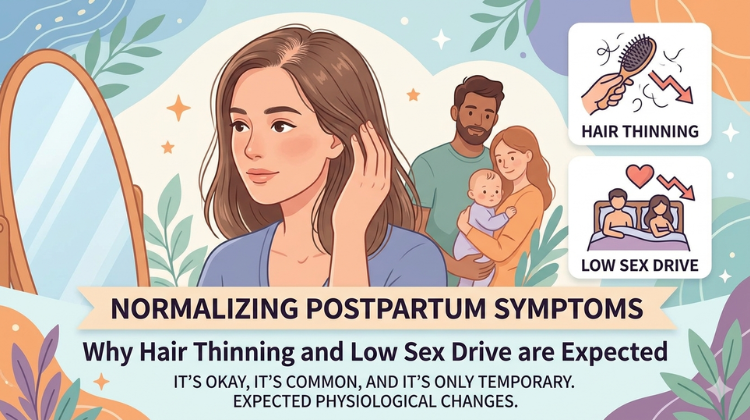
Bringing a new life into the world is an extraordinary milestone. Yet, the phase following childbirth is often accompanied by an unexpected wave of physical and emotional adjustments. While society frequently highlights the joy of motherhood, it is equally vital to openly discuss the standard physiological changes that follow. Treating these changes with compassion and clinical understanding can dramatically reduce the anxiety and isolation that many new mothers face.
Among the myriad of physical developments, hair thinning and a low sex drive are two of the most prevalent, yet under-discussed, experiences. Far from being a sign that something is wrong, these conditions are biologically expected reactions as your body transitions out of pregnancy. By normalizing these postpartum symptoms, women can navigate their recovery with patience, self-compassion, and informed confidence.
The Biological Truth Behind Postpartum Symptoms
The human body undergoes massive shifts to support a pregnancy, and the reversal of these shifts doesn’t happen overnight. The phrase postpartum symptoms encompasses a broad spectrum of changes, ranging from sleep disruption to deep hormonal rebalancing. These symptoms are a natural part of the “fourth trimester”—the complex 12-week healing period following delivery.
When dealing with unexpected shifts, the first step to peace of mind is education. Recognizing that your body is acting exactly as nature intended makes managing postpartum symptoms far less overwhelming. Let’s pull back the curtain on why hair loss and intimacy changes occur so frequently.
Why Hair Thinning is a Natural Part of Postpartum Symptoms
During pregnancy, elevated levels of estrogen perform wonders for a woman’s hair. This hormonal surge acts as an artificial extension of the hair’s natural growth cycle. Normally, a percentage of hair enters a resting phase and falls out daily. However, pregnancy hormones temporarily freeze this shedding process, resulting in unusually thick, lustrous locks.
Once delivery occurs, your hormone levels drop dramatically within 24 to 48 hours. This sudden decline triggers a mass transition of hair follicles from the growth phase straight into the shedding phase—a clinical phenomenon known as telogen effluvium.
The Timeline of Postpartum Hair Shedding
-
The Onset: Typically begins between 2 to 4 months after childbirth.
-
The Peak: Shedding usually reaches its maximum intensity around the 4-month mark, often appearing as large clumps in the shower or hairbrush.
-
The Resolution: For the vast majority of women, this condition resolves naturally within 6 to 12 months as the hair cycle re-stabilizes.
It is important to remember that you are not actually losing hair permanently; your scalp is simply making up for lost time by releasing the hair that would have naturally shed over the preceding nine months.
Understanding Low Sex Drive as Expected Postpartum Symptoms
Another common experience that frequently surprises new mothers is a sharp decline in libido. A low sex drive is a heavily complex issue driven by a combination of biological, physical, and emotional factors.
1. The Hormonal Baseline
Following delivery, the rapid drop in estrogen and progesterone directly impacts sexual desire. If you are breastfeeding, your body produces high amounts of prolactin, the hormone responsible for milk production. Prolactin naturally suppresses ovulation and keeps estrogen levels low, which frequently induces vaginal dryness and a decreased interest in physical intimacy.
2. Physical Exhaustion and Sleep Deprivation
The structural demands of caring for a newborn mean that chronic sleep deprivation is a standard companion to early motherhood. When the human body is running on fractured sleep, it prioritizes energy conservation and vital cellular repair over reproductive drives.
3. The Mental Load and Body Image Shifts
Navigating identity shifts, tracking feeding schedules, and healing from structural changes (like a C-section or perineal tears) creates an immense mental load. Feeling disconnected from your pre-pregnancy body can further reduce spontaneous desire, making a temporary dip in intimacy completely normal.
Also Read: Navigating The Fourth Trimester: Night Sweats, Hair Loss, and Your Changing Body
Neurovascular Adaptations & Postpartum Vasomotor Instability
The immediate postpartum period initiates a significant shift in maternal neurovascular function. During pregnancy, circulating plasma volume increases by up to 50%, while systemic vascular resistance drops under the influence of continuous progesterone and relaxin release. Following placental delivery, these adaptations reverse, initiating rapid neurovascular adjustments.
                          ┌─────────────────────────────────────────┐
                          │     PLACENTAL DELIVERY & EXPULSION      │
                          └────────────────────┬────────────────────┘
                                               │
                                               ▼
                         ┌──────────────────────────────────────────┐
                         │   RAPID PLASMA VOLUME & HORMONE SHIFT    │
                         └────────────────────┬────────────────────┘
                                               │
               ┌───────────────────────────────┴───────────────────────────────┐
               ▼                                                               ▼
  [ Autonomic Nervous Rebalancing ]                              [ Autotransfusion of Blood ]
  Sympathetic tone increases to restore                           500–1000 mL shifts back into central
  baseline systemic vascular resistance.                          circulation, testing cardiac output.
               │                                                               │
               └───────────────────────────────┬───────────────────────────────┘
                                               │
                                               ▼
                        ┌──────────────────────────────────────────┐
                        │     POSTPARTUM VASOMOTOR INSTABILITY     │
                        │ (Transient Chills, Flushes, BP Fluctuation)│
                        └──────────────────────────────────────────┘
Pathophysiology of Postpartum Chills and Flushes
Within hours of childbirth, many women experience intense, uncontrolled shaking and shivering, known as postpartum chills. This reaction stems from a combination of:
-
Autotransfusion: Approximately 500 to 1,000 mL of blood from the uteroplacental circuit enters central circulation, temporarily increasing venous return and cardiac output.
-
Thermal Resetting: The sudden withdrawal of placental progesterone alters the hypothalamic thermostat in the brain, causing acute thermal instability.
-
Micro-fetomaternal Hemorrhage: Small exchanges of fetal blood during separation can trigger a mild, transient maternal immune reaction.
Understanding these neurovascular shifts allows care providers to distinguish normal physiological recovery from complications such as postpartum hemorrhage, autonomic dysreflexia, or early puerperal sepsis. Under the clinical leadership of Dr. Preeti Rastogi, widely recognized as the best gynaecologist in Gurugram, new mothers receive comprehensive monitoring during these immediate post-delivery transitions.
Structural Pelvic Ring Remodeling & Musculoskeletal Rehabilitation
While public discussions of postpartum symptoms often focus on soft tissue recovery, the bony pelvis and surrounding ligamentous structures undergo major changes during delivery that require careful musculoskeletal rehabilitation.
┌─────────────────────────────────────────────────────────────────────────────┐
│                   PELVIC RING RECOVERY & MUSCULOSKELETAL TIMELINE          │
├──────────────────────┬───────────────────────────┬──────────────────────────┤
│ Structural Phase     │ Tissue Changes            │ Clinical Care Focus      │
├──────────────────────┼───────────────────────────┼──────────────────────────┤
│ Acute (Weeks 0–6)    │ Active ligament laxity;   │ Pelvic stabilization,    │
│                      │ pubic symphysis widening. │ neutral posture alignment│
├──────────────────────┼───────────────────────────┼──────────────────────────┤
│ Intermediate         │ Gradual reduction in      │ Dynamic core rebuilding, │
│ (Weeks 6–12)         │ circulating relaxin.      │ gluteal activation       │
├──────────────────────┼───────────────────────────┼──────────────────────────┤
│ Long-Term            │ Ligamentous tightening,   │ Return-to-impact sports, │
│ (Months 3–12)        │ full bone consolidation.  │ high-load strengthening  │
└──────────────────────┴───────────────────────────┴──────────────────────────┘
Pubic Symphysis Diastasis & Sacroiliac Joint Instability
Relaxin and progesterone soften the fibrocartilage of the pubic symphysis and sacroiliac (SI) joints to allow pelvic ring expansion during birth. If the pubic symphysis separates beyond its normal width (>10 mm), it results in Pubic Symphysis Diastasis (PSD).
-
Clinical Presentation: Sharp, localized pain over the front pubic bone that radiates down the inner thighs, worsening during weight-bearing activities like walking, climbing stairs, or turning in bed.
-
Biomechanical Impact: Instability in the pelvic ring alters normal walking gait, causing strain on the lower back, hip flexors, and gluteal muscles.
Rehabilitation Protocols
-
Targeted Pelvic Stabilization: Use supportive pelvic binders during the initial weeks to gently stabilize the bony pelvic ring.
-
Symmetric Weight-Bearing: Avoid asymmetric movements (like standing on one leg or wide lunges) until joint stability improves.
-
Core Activation: Re-educate deep core muscles—the transverse abdominis, multifidus, and pelvic floor muscles—to restore stability without stressing the pubic joint.
Gastrointestinal Motility, Anorectal Health & Bowel Dysfunction
Gastrointestinal symptoms are common after childbirth, yet they are often overlooked during routine checkups. Slowed gut motility, mechanical strain during labor, and local perineal trauma contribute to bowel changes after delivery.
+──────────────────────────+──────────────────────────────────────────────────+
| Postpartum Factor        | Gastrointestinal Consequence                    |
+──────────────────────────+──────────────────────────────────────────────────+
| Progesterone Relaxation  | Decreased smooth muscle tone; slowed transit time|
+──────────────────────────+──────────────────────────────────────────────────+
| Perineal / Anal Trauma   | Involuntary guarding due to pain or suture fear  |
+──────────────────────────+──────────────────────────────────────────────────+
| Intravascular Fluid Shift| Increased water reabsorption; hard, dry stool     |
+──────────────────────────+──────────────────────────────────────────────────+
Pathophysiology of Postpartum Constipation & Hemorrhoids
-
Delayed Intestinal Transit Time: Residual progesterone slows intestinal peristalsis, allowing more water to be absorbed from the gut and causing dry, hard stools.
-
Anorectal Vascular Engorgement: Pushing during the second stage of labor increases venous pressure in the pelvic floor, swelling hemorrhoidal tissue and causing rectal bleeding or painful bowel movements.
-
Anal Sphincter Injury: Third- and fourth-degree perineal tears can compromise internal or external anal sphincter integrity, leading to temporary anal incontinence (involuntary loss of gas or liquid stool).
                      ┌────────────────────────────────────────┐
                      │    ANORECTAL RECOVERY CARE PROTOCOL    │
                      └───────────────────┬────────────────────┘
                                          │
       ┌──────────────────────────────────┼──────────────────────────────────┐
       ▼                                  ▼                                  ▼
[ Fiber & Osmotic Hydration ]    [ Postural Elevation ]     [ Local Analgesic Care ]
  Daily soluble fiber intake     Use a footstool to relax   Sitz baths and topical
  and 3+ liters of water         the puborectalis muscle    treatments reduce swelling
Careful evaluation by Dr. Preeti Rastogi, widely recognized as the best gynaecologist in Gurugram, ensures perineal injuries are monitored, preventing long-term bowel issues.
Lactational Physiology, Breast Tissue Changes & Mastitis Prevention
The transition from colostrum secretion to mature milk production (lactogenesis II) involves rapid hormonal and structural changes within breast tissue.
┌─────────────────────────────────────────────────────────────────────────────┐
│                    BREAST RECOVERY & LACTATION STAGES                       │
├──────────────────────┬───────────────────────────┬──────────────────────────┤
│ Phase                │ Hormonal Drivers          │ Anatomical Changes       │
├──────────────────────┼───────────────────────────┼──────────────────────────┤
│ Colostrum Phase      │ Progesterone drop;        │ High immunoglobulins,    │
│ (Days 1–3)           │ baseline prolactin rises. │ low fluid volume         │
├──────────────────────┼───────────────────────────┼──────────────────────────┤
│ Milk "Comes In"      │ High prolactin; oxytocin  │ Vascular engorgement,    │
│ (Days 3–5)           │ triggers milk ejection.   │ tissue tightness/fullness│
├──────────────────────────────┼───────────────────────────┼──────────────────────────┤
│ Established Supply   │ Autocrine feedback        │ Supply balances to match │
│ (Weeks 2–6)          │ (Filtration Inhibitor).   │ infant demand            │
└──────────────────────┴───────────────────────────┴──────────────────────────┘
Understanding Breast Engorgement, Duct Inflammation, and Mastitis
Milk production increases rapidly around days 3 to 5 post-delivery. If milk removal is delayed or incomplete, tissue swelling can develop into clinical complications:
-
Vascular & Lymphatic Engorgement: Interstitial fluid builds up in breast tissue, compressing milk ducts and making latching difficult.
-
Ductal Inflammation: Stagnant milk triggers a inflammatory response in surrounding tissue, causing localized pain, swelling, and redness.
-
Infectious Mastitis: Bacterial entry (commonly Staphylococcus aureus) through cracked nipples into stagnant milk can cause infection, bringing high fever, severe breast pain, and flu-like symptoms.
Engorgement (Fullness/Tightness) ──► Ductal Inflammation ──► Infectious Mastitis (Fever/Chills)
                                                                       │
                                                                       ▼
                                                          Abscess (Requires Drainage)
Early preventative strategies—such as proper latching support, cold compresses after feedings to manage tissue edema, and avoiding deep tissue massage—help preserve breast health and prevent infection.
Endometrial Remodeling, Lochial Progression & Uterine Involution
Uterine involution is the process by which the uterus returns from a weight of nearly 1,000 grams at delivery to its non-pregnant weight of 50 to 60 grams over six weeks.
┌────────────────────────────────────────────────────────────────────────┐
│                   LOCHIAL PROGRESSION STAGES                           │
├─────────────────┬───────────────────┬──────────────────────────────────┤
│ Lochia Stage    │ Typical Timeline  │ Discharge Characteristics        │
├─────────────────┼───────────────────┼──────────────────────────────────┤
│ Lochia Rubra    │ Days 1–4          │ Deep red, blood-rich, contains   │
│                 │                   │ small tissue fragments/clots     │
├─────────────────┼───────────────────┼──────────────────────────────────┤
│ Lochia Serosa   │ Days 4–10         │ Pinkish-brown, watery, contains  │
│                 │                   │ red blood cells & leukocytes     │
├─────────────────┼───────────────────┼──────────────────────────────────┤
│ Lochia Alba     │ Days 10–21+       │ Yellowish-white, rich in         │
│                 │                   │ epithelial cells & mucus         │
└─────────────────┴───────────────────┴──────────────────────────────────┘
Molecular Mechanics of Uterine Involution
Autolysis—the self-digestion of excess uterine muscle tissue by intracellular lysosomal enzymes—drives uterine shrinkage. Oxytocin release (stimulated by infant nursing) causes rhythmic myometrial contractions (“afterpains”) that compress uterine blood vessels and prevent excessive bleeding.
-
Lochial Progression Monitoring: The discharge from the uterine placental site follows a predictable path: Lochia Rubra (red), Lochia Serosa (pink/brown), and Lochia Alba (yellow/white).
-
Clinical Red Flags: A sudden return to bright red bleeding after Lochia Serosa, foul-smelling discharge, or passing large clots (larger than a golf ball) may indicate retained placenta or late postpartum hemorrhage.
Postpartum Abdominal Wall Integrity & Diastasis Recti Abdominis (DRA)
During pregnancy, the expanding uterus stretches the rectus abdominis muscles, widening the central connective tissue line (the linea alba). This separation is known as Diastasis Recti Abdominis (DRA).
                     NORMAL ABDOMINAL WALL
         [ Rectus Abdominis ] ── (Linea Alba < 2 cm) ── [ Rectus Abdominis ]

 ─────────────────────────────────────────────────────────────────────────

                DIASTASIS RECTI ABDOMINIS (DRA)
         [ Rectus Abdominis ] ◄── (Linea Alba > 2 cm) ──► [ Rectus Abdominis ]
                                         │
                                         ▼
                   Decreased Core Stability & Pelvic Load Capacity
Assessment and Functional Impact
DRA is evaluated by measuring the Inter-Recti Distance (IRD) at the belly button, as well as above and below it:
-
Mild Separation: 2.0 to 2.5 cm separation.
-
Moderate to Severe: Greater than 3.0 cm separation, often accompanied by visible bulging or “doming” during abdominal strain.
Unaddressed DRA reduces the abdominal wall’s ability to stabilize the torso, transferring strain to the lumbar spine and pelvic ring. Rehabilitation focuses on deep core activation—specifically strengthening the transverse abdominis and pelvic floor muscles—rather than traditional sit-ups, which can stretch the linea alba further.
Neuropsychiatric Adjustments: Brain Plasticity & Mental Health
The fourth trimester brings significant structural and functional changes to the maternal brain. MRI studies reveal transient reductions in gray matter volume in regions regulating social cognition, empathy, and threat response—an adaptive process that enhances maternal bonding and responsiveness to infant cues.
┌─────────────────────────────────────────────────────────────────────────┐
│                 MATERNAL NEUROCHEMICAL & BRAIN ADAPTATIONS              │
├──────────────────────────────┬──────────────────────────────────────────┤
│ Brain Adjustment             │ Functional Outcome                       │
├──────────────────────────────┼──────────────────────────────────────────┤
│ Amygdala Hyper-Reactivity    │ Increases vigilance, responsiveness,     │
│                              │ and sensitivity to infant cries.         │
├──────────────────────────────┼──────────────────────────────────────────┤
│ Oxytocin Pathway Activation  │ Promotes maternal bonding and reduces    │
│                              │ systemic baseline stress response.       │
├──────────────────────────────┼──────────────────────────────────────────┤
│ Prefrontal Cortical Shifts   │ Refines quick decision-making and protective│
│                              │ caregiving behaviors.                    │
└──────────────────────────────┴──────────────────────────────────────────┘
Distinguishing Postpartum Anxiety and Intrusive Thoughts
While Postpartum Depression (PPD) is widely recognized, Postpartum Anxiety (PPA) and Postpartum Obsessive-Compulsive Disorder (p-OCD) are also common:
-
Intrusive Thoughts: Unwanted, scary thoughts or mental images regarding the baby’s safety affect up to 90% of new mothers. In normal postpartum adjustments, these thoughts cause distress and lead to protective behaviors.
-
Clinical P-OCD: When intrusive thoughts prompt repetitive rituals (such as excessive checking or washing) that interfere with daily life, professional support is required.
-
Postpartum Psychosis: A rare medical emergency (1 to 2 per 1,000 deliveries) marked by delusions, hallucinations, and paranoia that requires immediate psychiatric hospital care.
Immune System Rebound & Postpartum Autoimmune Exacerbations
During pregnancy, the maternal immune system adapts to tolerate fetal antigens. After delivery, these adaptations reverse, sometimes triggering an immune rebound that can unmask or worsen autoimmune conditions.
+──────────────────────────+──────────────────────────────────────────────────+
| Autoimmune Condition     | Postpartum Clinical Behavior                     |
+──────────────────────────+──────────────────────────────────────────────────+
| Rheumatoid Arthritis     | Frequent flare-ups within 3–6 months post-birth  |
+──────────────────────────+──────────────────────────────────────────────────+
| Hashimoto's Thyroiditis  | Elevated anti-TPO antibodies; thyroiditis flare   |
+──────────────────────────+──────────────────────────────────────────────────+
| Systemic Lupus (SLE)     | Risk of systemic disease flare during early months|
+──────────────────────────+──────────────────────────────────────────────────+
Managing Postpartum Autoimmune Flares
Mothers with pre-existing autoimmune conditions should schedule follow-up care within the first three months after giving birth. Monitoring inflammatory markers (such as CRP and ESR) and adjusting medications helps protect maternal joint and tissue health while maintaining safety for breastfeeding.
Comprehensive Trimester-by-Trimester Medical Follow-Up Protocol
Postpartum care is an ongoing medical process rather than a single six-week checkup. A structured schedule of care supports full physical and emotional recovery.
┌────────────────────────────────────────────────────────────────────────┐
│                   POSTPARTUM CLINICAL CARE TIMELINE                    │
├─────────────────┬──────────────────────────────────────────────────────┤
│ Timeline        │ Primary Clinical Care Priorities                     │
├─────────────────┼──────────────────────────────────────────────────────┤
│ Week 1          │ Blood pressure check, wound assessment, lactation    │
│                 │ support, screening for severe mood changes           │
├─────────────────┼──────────────────────────────────────────────────────┤
│ Weeks 2–3       │ Perineal/incision healing, lochia tracking, thyroid  │
│                 │ screening, mental health follow-up                   │
├─────────────────┼──────────────────────────────────────────────────────┤
│ Week 6          │ Pelvic floor evaluation, clearance for exercise,     │
│                 │ contraception planning, DRA measurement              │
├─────────────────┼──────────────────────────────────────────────────────┤
│ Months 3–6      │ Musculoskeletal assessment, hair loss guidance,      │
│                 │ long-term wellness and nutritional evaluation        │
└─────────────────┴──────────────────────────────────────────────────────┘
Essential Components of the 6-Week Checkup
-
Pelvic & Perineal Exam: Assessing tissue healing, pelvic muscle strength, and organ support.
-
Abdominal Wall Check: Measuring rectus separation and checking scar healing after a C-section.
-
Contraceptive Guidance: Discussing safe birth control options for nursing mothers, such as progestin-only pills, hormonal implants, or copper/hormonal IUDs.
Postpartum Red Flags: Recognizing Medical Emergencies
New mothers should seek immediate medical attention if any of the following warning signs occur:
┌────────────────────────────────────────────────────────────────────────┐
│                      POSTPARTUM EMERGENCY SYMPTOMS                     │
├────────────────────────────────────────────────────────────────────────┤
│ 🚩 Heavy bleeding soaking more than one pad per hour, or passing large clots│
│ 🚩 High fever (>100.4°F/38°C), chills, or abdominal tenderness         │
│ 🚩 Severe, persistent headache, visual changes, or high blood pressure │
│ 🚩 Sudden shortness of breath, chest pain, or coughing up blood        │
│ 🚩 Pain, swelling, or redness in one calf (Deep Vein Thrombosis)       │
│ 🚩 Thoughts of self-harm, harming the baby, or feeling detached from reality│
└────────────────────────────────────────────────────────────────────────┘
Seeking Prompt Care
If any red flag symptoms appear, contact emergency medical services or your healthcare team immediately. Rapid evaluation helps treat complications like late postpartum hemorrhage, endometritis, pulmonary embolism, or preeclampsia quickly and safely.
Expert Postpartum Care with Gurugram’s Leading Specialist
Recovering from pregnancy and childbirth is a personal journey that requires comprehensive medical expertise, empathy, and tailored care. Dr. Preeti Rastogi, widely recognized as the best gynaecologist in Gurugram, is dedicated to supporting women through every stage of pregnancy, delivery, and postpartum health.
With over 25 years of extensive clinical experience in India and the UK (MRCOG), and as Director & Head of Department of Obstetrics & Gynaecology at Medanta – The Medicity, Gurugram, Dr. Rastogi provides thorough postpartum care. From managing complex recoveries and monitoring pelvic floor health to supporting emotional well-being and long-term wellness, her patient-centered approach ensures mothers receive complete care during the fourth trimester and beyond.
When to Seek Expert Guidance for Postpartum Symptoms
While hair thinning and a lower libido are perfectly normal postpartum symptoms, tracking your overall health is crucial. If hair loss continues past the one-year mark, or if low libido is accompanied by severe vaginal pain or intense feelings of anxiety and sadness, seeking professional medical support is the right path forward. Partnering with a skilled specialist ensures that secondary issues, such as postpartum depression or thyroid imbalances, are addressed early.
Conclusion
Navigating the transition into motherhood requires time, space, and accurate medical awareness. Experiencing shifts like hair shedding and a lower sex drive does not mean your body is failing—it means it is actively recalibrating after an incredible journey. Normalizing these postpartum symptoms is essential to removing the stigma and unrealistic expectations often placed on new mothers.
If you are experiencing prolonged or concerning changes during your recovery, do not hesitate to seek professional care. For comprehensive, compassionate, and internationally trained clinical guidance, consulting Dr Preeti Rastogi, best gynecologist in Gurgaon, provides new mothers with the highest quality care. Based at Medanta Hospital, Dr Preeti Rastogi is widely recognized as the best gynec in Gurgaon, specialized in high-risk obstetrics and dedicated to ensuring every mother experiences a safe, holistic postpartum recovery.
Understanding your postpartum recovery timeline is essential for distinguishing normal healing from complications. In the early weeks, tracking your postpartum bleeding duration and noting normal lochia colors helps monitor uterine health, while experiencing postpartum night sweats is a common response to dramatic postpartum hormone shifts. Many women also notice temporary postpartum hair thinning and struggle with severe postpartum fatigue during this transition. Emotionally, dealing with baby blues is normal, but if mood changes intensify, reviewing a postpartum depression checklist or recognizing postpartum anxiety symptoms can help you seek timely support.
Physically, mothers should watch for pelvic floor dysfunction symptoms, including postpartum pelvic pain or painful urination after birth, which can be improved with safe, targeted diastasis recti exercises. Depending on your delivery type, you must track your perineal tear healing time or stay vigilant for any C-section infection signs like localized redness or fever. Less common issues, such as sudden weight or heart rate changes, could point toward postpartum thyroiditis symptoms. To navigate these changes safely, sticking to a strict postnatal checkup schedule is highly recommended. Consulting a trusted Medanta hospital gynae doctor or booking a consultation with the best gynecologist in Gurgaon ensures you receive the expert care needed to recover safely and confidently.
#PostpartumHairLoss #PostpartumLibido #FourthTrimester #NewMotherHealth #LowSexDrivePostpartum #HormonalImbalance #TelogenEffluvium #PostpartumRecovery #MaternalWellness #WomenHealthGurgaon #BreastfeedingHormones #PostpartumExhaustion #EstrogenDrop #ProlactinEffects #VaginalDrynessPostpartum #NewbornCareStress #PostpartumShedding #GynecologistGurugram #HighRiskObstetrics #MedantaGurgaon #SafeMotherhood #PostpartumCareTips #ThyroidPostpartum #MotherhoodUnfiltered #HealingAfterBirth #PostpartumBodyChanges #MaternalMentalHealth #HormoneRebalancing #PelvicFloorRecovery #WomenHealthcare
FAQ
Q1: What are the most common postpartum symptoms women experience after birth?
A: The most common postpartum symptoms include night sweats, uterine cramping (involution), lochia (post-birth bleeding), extreme fatigue, temporary hair thinning, and a lower sex drive. Hormonal shifts and physical healing drive these changes, which typically normalize within the first year. For comprehensive evaluation and personalized guidance on tracking these changes, consulting Dr Preeti Rastogi, best gynecologist in Gurgaon, ensures a safe and supported recovery journey.
Q2: Why am I experiencing severe hair thinning after having a baby?
A: Postpartum hair thinning is caused by a sudden drop in estrogen levels after childbirth. During pregnancy, high estrogen prevents normal hair shedding, making hair look thicker. Postpartum, these hair follicles enter the shedding phase all at once. This temporary condition peaks around four months. If hair thinning persists beyond a year, it is highly recommended to seek an evaluation from Dr Preeti Rastogi, best gynecologist in Gurgaon, to rule out underlying nutrient deficiencies or thyroid issues.
Q3: Is a complete lack of interest in intimacy normal during the postpartum period?
A: Yes, a low sex drive is an expected part of postpartum symptoms. It is driven biologically by a sharp drop in estrogen and progesterone, alongside elevated prolactin levels if you are nursing. Physical fatigue, tissue healing, and the mental exhaustion of newborn care also lower libido. For personalized strategies to manage hormonal dryness or physical discomfort safely, speaking with Dr Preeti Rastogi, best gynecologist in Gurgaon, can provide valuable medical clarity.
Q4: How long do hormonal postpartum symptoms usually last?
A: Most hormonal postpartum symptoms, such as mood swings and night sweats, begin to stabilize within six to eight weeks after delivery. However, symptoms like hair shedding and low libido can last anywhere from 6 to 12 months, especially if you are actively breastfeeding. If your symptoms feel unmanageable or extend past the one-year mark, scheduling a thorough clinical review with Dr Preeti Rastogi, best gynecologist in Gurgaon, is an excellent step toward rebalancing your health.
Q5: When should a mother consult a doctor for severe postpartum symptoms?
A: A mother should consult a doctor if her postpartum symptoms include excessive hair loss after one year, painful intimacy, heavy prolonged bleeding, or persistent feelings of sadness and anxiety. For expert medical care, mothers can visit Dr Preeti Rastogi, best gynecologist in Gurgaon, at Medanta Hospital. Her extensive 25 plus years of clinical expertise ensures tailored treatment plans for high-risk recovery and postpartum endocrine balance.