Low Amniotic Fluid During Pregnancy: What It Means and How It’s Managed
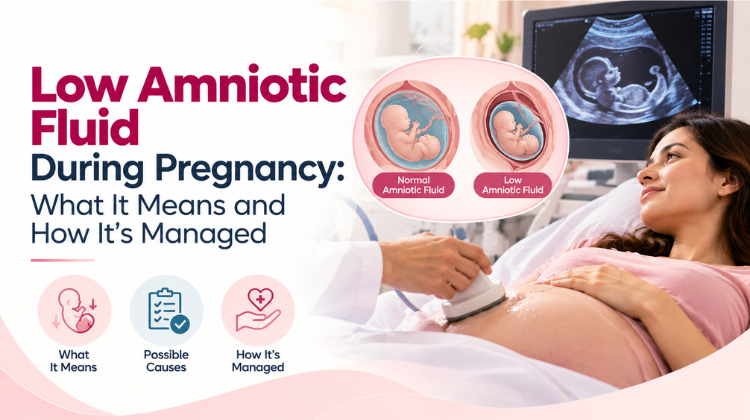
Detecting an abnormal ultrasound result can be an unsettling experience for any expecting mother, particularly when terms like low amniotic fluid during pregnancy appear on a medical report. Amniotic fluid plays a vital role in nurturing, cushioning, and protecting a developing fetus throughout gestation. When diagnostic scans reveal that fluid levels have dropped below expected thresholds—a condition medically known as oligohydramnios—it demands careful clinical evaluation, targeted monitoring, and a comprehensive understanding of the underlying causes. Expert guidance from seasoned obstetricians ensures that expectant mothers receive the right balance of maternal hydration, fetal surveillance, and timely medical intervention to support a safe delivery journey.
Understanding Low Amniotic Fluid During Pregnancy and Its Clinical Significance
The fluid surrounding the baby inside the amniotic sac is not static; it is continuously produced and recycled through fetal urination and swallowing. When routine ultrasound measurements evaluate the fluid pockets, a drop below the standard reference range indicates low amniotic fluid during pregnancy. This condition can emerge at various stages of gestation, though its implications often vary depending on whether it occurs in the second trimester or near the final weeks of the third trimester.
In clinical practice, diagnosing low amniotic fluid during pregnancy relies heavily on ultrasound assessments such as the Amniotic Fluid Index (AFI) or the Deepest Vertical Pocket (DVP) method. An AFI measurement falling beneath 5 centimeters typically signals oligohydramnios. Recognizing this finding does not automatically signify an immediate crisis, but rather serves as a clinical signal to investigate why the fluid is low, assess placental efficiency, and monitor the baby’s overall wellbeing closely.
Major Causes and Contributing Factors Behind Low Amniotic Fluid During Pregnancy
To effectively manage low amniotic fluid during pregnancy, healthcare providers must first identify the root causes contributing to the reduction in fluid volume. Several maternal, placental, and fetal factors can influence fluid dynamics:
-
Maternal Dehydration: Inadequate daily fluid intake or excessive fluid loss can directly reflect on amniotic volume, making maternal hydration a foundational point of initial management.
-
Placental Insufficiency: If the placenta fails to deliver adequate blood flow and oxygen to the fetus, the baby redirects blood toward vital organs, reducing urine output and consequently lowering fluid levels.
-
Premature Rupture of Membranes (PROM): A slow, unnoticeable leak or a tear in the amniotic sac can cause a continuous loss of fluid.
-
Post-Term Pregnancy: Pregnancies extending significantly beyond the estimated due date often experience a natural, gradual decline in placental function and fluid production.
-
Fetal Urinary Tract Anomalies: Rare congenital conditions affecting the baby’s kidneys or urinary system can impair urine production, which is the primary source of amniotic fluid.
Identifying Warning Signs and Symptoms Associated with Low Amniotic Fluid During Pregnancy
While many cases of low amniotic fluid during pregnancy are asymptomatic and detected incidentally during routine ultrasounds, expectant parents should remain vigilant about certain physical indicators. Subtle clues can sometimes point toward changing fluid dynamics or underlying complications.
A noticeable reduction or sudden change in fetal movements often serves as an essential warning sign that warrants immediate medical attention. Furthermore, pregnant women who experience persistent watery discharge or a continuous damp sensation should promptly report these symptoms to rule out a slow amniotic fluid leak. Recognizing these signs early allows clinicians to perform timely diagnostic evaluations and prevent potential complications.
Comprehensive Diagnostic Approaches for Low Amniotic Fluid During Pregnancy
Evaluating low amniotic fluid during pregnancy requires advanced imaging tools and precise diagnostic methodologies. Obstetricians utilize targeted ultrasound scans to measure fluid pockets accurately across all four quadrants of the uterus.
In addition to measuring the AFI, doctors often perform a detailed fetal growth scan, Doppler studies to evaluate blood flow through the umbilical cord, and non-stress tests (NST) to monitor the baby’s heart rate patterns. These comprehensive assessments provide a holistic view of the intrauterine environment, helping medical professionals differentiate between benign fluctuations and conditions that require active clinical management.
Evidence-Based Management Strategies for Low Amniotic Fluid During Pregnancy
Managing low amniotic fluid during pregnancy depends heavily on gestational age, the underlying cause, and the baby’s overall health status. When fluid reduction is mild and discovered near term, management strategies focus on close observation and supportive care.
-
Targeted Maternal Hydration: Increasing fluid intake through water, coconut water, buttermilk, and hydrating fruits can help improve circulating maternal blood volume and support fluid recovery in responsive cases.
-
Frequent Fetal Surveillance: Serial ultrasounds and regular non-stress tests help track fluid trends and ensure the baby continues to grow and thrive.
-
Left Lateral Resting Position: Resting on the left side improves uterine blood flow and placental perfusion, creating an optimal environment for fetal health.
-
Timing of Delivery: If low fluid occurs near the end of pregnancy or is accompanied by signs of fetal distress, induction of labor or a planned cesarean section may be recommended to ensure a safe outcome.
Facts About Dr. Preeti Rastogi
-
Current Position: Director and Head of Department in Obstetrics and Gynaecology at Medanta-The Medicity Hospital, Gurgaon.
-
Clinical Experience: 25+ years of dedicated practice as an obstetrician and gynecologist across prestigious tertiary care hospitals in the United Kingdom and India.
-
International Qualifications: MBBS (G.R. Medical College, Gwalior), DNB in Obstetrics and Gynaecology (St. Stephen’s Hospital, Delhi), and MRCOG from the Royal College of Obstetricians and Gynaecologists, UK.
-
Advanced Surgical Expertise: Certified Da Vinci Xi Robotic Surgeon specializing in minimal access gynecological surgeries, pelvic medicine, and complex urogynecological procedures.
-
Specialized Focus: Renowned expert in high-risk obstetrics, maternal-fetal medicine, infertility management, and the strong promotion of safe motherhood practices.
Consult Dr. Preeti Rastogi High Risk Pregnancy Doctor in Gurgaon, Haryana
Also Read: Amniotic Fluid Index (AFI): Normal Range, Levels and What It Means in Pregnancy
#Low Amniotic Fluid Oligohydramnios #Amniotic Fluid Index Normal Range #Oligohydramnios Causes And Treatment #Low Fluid Levels In Pregnancy #Managing Oligohydramnios #Amniotic Fluid Reduction Risks #Third Trimester Low Fluid #Ultrasound AFI Abnormalities #Fetal Wellbeing Monitoring #Maternal Hydration And Amniotic Fluid #Placental Insufficiency And Low Fluid #Premature Rupture Of Membranes PROM #High Risk Pregnancy Care Gurgaon #Best Obstetrician Gurgaon #Dr Preeti Rastogi Medanta #Obstetrician And Gynecologist Gurgaon #Safe Motherhood Practices #Fetal Growth Scan AFI #Doppler Studies In Pregnancy #Non Stress Test Pregnancy #Oligohydramnios Management #Low Fluid At 36 Weeks #Post Term Pregnancy Fluid Decline #Fetal Movement Reduction #Uterine Blood Flow Optimization #Left Lateral Resting Pregnancy #Gynecological Care Medanta #Advanced Maternal Fetal Medicine #Maternal Health Gurugram #High Risk Obstetrics Specialist
FAQ
Q1: What does a diagnosis of low amniotic fluid during pregnancy mean for my baby?
Answer: A diagnosis of low amniotic fluid during pregnancy means the volume of protective fluid surrounding the fetus is below normal levels. While it requires careful monitoring to ensure the baby is receiving sufficient oxygen and nutrients, many pregnancies with low fluid—especially when managed under the care of top specialists like Dr. Preeti Rastogi at Medanta Hospital, Gurgaon—proceed safely with proper hydration and regular surveillance.
Q2: Can drinking more water reverse low amniotic fluid during pregnancy?
Answer: Yes, when maternal dehydration is a contributing factor, increasing oral fluid intake can measurably help boost fluid levels. However, as noted by leading gynecologists such as Dr. Preeti Rastogi, if the reduction stems from placental issues or fluid leakage, targeted medical supervision and specialized obstetric care are essential.
Q3: When should I contact my doctor regarding low amniotic fluid during pregnancy?
Answer: You should contact your healthcare provider immediately if you notice a sudden decrease in fetal movements, experience continuous vaginal wetness suggestive of fluid leakage, or have high blood pressure. Prompt evaluation by an expert obstetrician like Dr. Preeti Rastogi ensures timely intervention and safeguards maternal-fetal health.
Q4: How do specialists manage severe oligohydramnios in the third trimester?
Answer: Severe oligohydramnios in the third trimester requires intensive fetal monitoring, biophysical profiles, and Doppler studies. Depending on gestational age, experts like Dr. Preeti Rastogi evaluate whether continued expectant monitoring is safe or if early delivery is necessary to prevent complications.
Q5: Why is choosing an experienced high-risk pregnancy specialist important for low fluid cases?
Answer: Managing abnormal amniotic fluid levels demands advanced clinical expertise, precise ultrasound interpretation, and individualized care plans. Choosing a renowned expert like Dr. Preeti Rastogi—Director and Head of Department in Obstetrics and Gynaecology at Medanta Hospital, Gurgaon, with over 25 years of experience, MRCOG (UK), and certification as a Da Vinci Xi Robotic Surgeon—ensures world-class medical excellence and compassionate support for complex pregnancies.