Advanced Women’s Healthcare: From High Risk Obstetrics to Robotic and Minimal Invasive Surgery in Gurugram
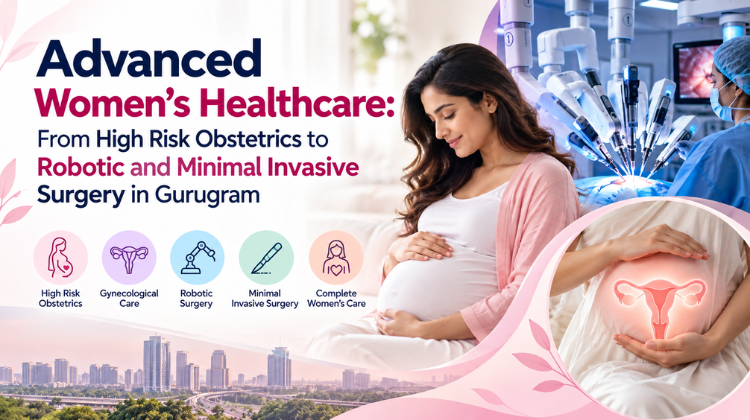
Women’s healthcare has evolved dramatically over the past decade. Modern obstetrics and gynecology have moved far beyond basic clinical consultations, expanding into highly specialized, technology-driven care. From managing complex maternal-fetal conditions to performing intricate procedures through tiny incisions, advanced clinical solutions ensure that women receive comprehensive care across every stage of life.
In fast-growing medical hubs like Gurugram, healthcare standards match global benchmarks. Obtaining access to High Risk Obstetrics to Robotic and Minimal Invasive Surgery in Gurugram allows women to receive seamless, end-to-end care. Whether an expectant mother requires specialized maternal-fetal monitoring or a patient requires advanced surgical intervention for fibroids or endometriosis, unified medical care provides safety, precision, and faster recovery.
Understanding High Risk Obstetrics in Modern Maternal Care
A pregnancy is categorized as high risk when potential complications could affect the health of the mother, the baby, or both. High-risk pregnancies require specialized management, frequent diagnostic screenings, and a coordinated multidisciplinary team to ensure safe delivery outcomes.
Common Factors Leading to High-Risk Pregnancies
-
Advanced Maternal Age: Pregnancies occurring after age 35 often involve higher risks of gestational hypertension, chromosomal variations, and gestational diabetes.
-
Pre-existing Medical Conditions: Chronic hypertension, diabetes, thyroid disorders, autoimmune diseases, and heart conditions demand specialized obstetrical care.
-
Pregnancy-Induced Complications: Conditions such as preeclampsia, placental abruption, placenta previa, intrauterine growth restriction (IUGR), and cervical insufficiency require continuous clinical evaluation.
-
Multiple Gestations: Carrying twins, triplets, or higher-order multiples increases the probability of premature labor and delivery complications.
Having access to High Risk Obstetrics to Robotic and Minimal Invasive Surgery in Gurugram ensures that expectant mothers facing complex medical conditions receive advanced fetal monitoring, precise risk assessments, and timely interventions.
The Shift Toward Robotic and Minimally Invasive Gynecological Surgery
Gynecological surgery has undergone a major paradigm shift. Traditional open surgeries, which required large abdominal incisions and extended hospital stays, are increasingly replaced by laparoscopic and robotic-assisted techniques.
Benefits of Minimally Invasive and Robotic Surgery
-
Precision and Visualization: Robotic surgical systems provide 3D high-definition visualization and wristed instruments that flex beyond the capabilities of the human hand, allowing precise tissue dissection.
-
Minimal Blood Loss: Tiny keyhole incisions significantly reduce surgical trauma, tissue manipulation, and blood loss during procedures.
-
Reduced Postoperative Pain: Smaller incisions cause significantly less muscular and nerve disruption, minimizing the need for heavy pain medications.
-
Faster Recovery Times: Patients undergoing robotic or laparoscopic procedures typically return to normal daily activities within days rather than weeks.
-
Reduced Scarring: Keyhole surgical sites result in minimal cosmetic scarring compared to traditional open abdominal surgery.
Transitioning seamlessly from High Risk Obstetrics to Robotic and Minimal Invasive Surgery in Gurugram gives women access to advanced care options for complex conditions such as severe uterine fibroids, ovarian cysts, pelvic organ prolapse, and deep infiltrating endometriosis.
Connecting High Risk Obstetrics to Robotic and Minimal Invasive Surgery in Gurugram
A common question among patients is how maternal care connects with advanced surgical gynecology. Women’s healthcare is a continuous spectrum; physiological challenges during childbearing years often relate to underlying gynecological health.
+-----------------------------------------------------------------------------------+
|                   THE CONTINUUM OF ADVANCED WOMEN'S HEALTHCARE                    |
+-----------------------------------------------------------------------------------+
|  1. MATERNAL & FETAL CARE                                                         |
|     * Managing High-Risk Pregnancies (Preeclampsia, Diabetes, Multiples)         |
|     * Specialized Fetal Monitoring & Critical Care Planning                       |
+-----------------------------------------------------------------------------------+
|                                         |                                         |
|                                         v                                         |
+-----------------------------------------------------------------------------------+
|  2. POSTPARTUM RECOVERY & RECONSTRUCTION                                          |
|     * Pelvic Floor Evaluation & Postpartum Structural Care                        |
|     * Management of Cesarean Scarring & Adhesions                                 |
+-----------------------------------------------------------------------------------+
|                                         |                                         |
|                                         v                                         |
+-----------------------------------------------------------------------------------+
|  3. ADVANCED SURGICAL INTERVENTION                                                |
|     * Minimally Invasive Removal of Fibroids, Cysts, and Endometriosis            |
|     * Robotic-Assisted Reconstructive & Hysterectomy Procedures                   |
+-----------------------------------------------------------------------------------+
1. Uterine Fibroids and Pregnancy Outcomes
Large or strategically located uterine fibroids can cause complications during pregnancy, including abnormal fetal positioning, pain, and increased risk of delivery by cesarean section. Following delivery and recovery, evaluating High Risk Obstetrics to Robotic and Minimal Invasive Surgery in Gurugram enables patients to explore robotic-assisted myomectomy (fibroid removal) that preserves the uterus for future pregnancies.
2. Endometriosis and High-Risk Fertility
Endometriosis causes chronic pelvic pain, tissue scarring, and fertility challenges. When pregnancy is achieved, specialized obstetrical management is required. Post-delivery, managing persistent endometriotic lesions with robotic keyhole surgery provides long-term pain relief and restores pelvic anatomy.
3. Management of Pelvic Adhesions and Previous Cesarean Scarring
Repeat cesarean deliveries or previous abdominal operations can create dense tissue adhesions. When gynecological surgery becomes necessary later in life, accessing High Risk Obstetrics to Robotic and Minimal Invasive Surgery in Gurugram ensures that skilled surgeons can navigate complex pelvic adhesions using robotic precision without compromising surrounding organs.
Core Conditions Managed Under Comprehensive Women’s Healthcare
| Condition | High-Risk Obstetrical Aspect | Robotic / Minimally Invasive Solution |
| Uterine Fibroids | Increased risk of preterm labor and malpresentation. | Robotic Myomectomy (precise removal preserving uterine wall). |
| Endometriosis | Higher incidence of early bleeding and placenta previa. | Advanced Laparoscopic/Robotic Excision of lesions. |
| Ovarian Cysts | Risk of cyst rupture or ovarian torsion during gestation. | Minimally Invasive Cystectomy with tissue preservation. |
| Cervical Incompetence | Risk of mid-trimester pregnancy loss. | Laparoscopic Abdominal Cervical Cerclage. |
| Severe Adhesions | Complex operative delivery planning. | Robotic Adhesiolysis and anatomical restoration. |
Understanding how medical teams navigate High Risk Obstetrics to Robotic and Minimal Invasive Surgery in Gurugram helps patients make informed decisions about their reproductive and long-term health.
What to Expect During Your Healthcare Journey
Navigating specialized maternal and surgical care involves structured clinical phases designed to ensure safety and comfort.
+-----------------------------------------------------------------------+
|                    PATIENT CARE ROADMAP & STAGES                      |
+-----------------------------------------------------------------------+
|  [STAGE 1] COMPREHENSIVE EVALUATION & DIAGNOSTICS                     |
|            * High-resolution ultrasonography & 3D pelvic imaging.     |
|            * Genetic screening & detailed risk profiling.             |
+-----------------------------------------------------------------------+
|  [STAGE 2] TAILORED TREATMENT & MONITORING PLANNING                   |
|            * Specialized antenatal visits for high-risk mothers.      |
|            * Pre-operative robotic consultation & surgical mapping.   |
+-----------------------------------------------------------------------+
|  [STAGE 3] ADVANCED CLINICAL PROCEDURE / DELIVERY                      |
|            * Multi-specialty delivery management & NICU standby.       |
|            * Robotic-assisted keyhole surgery with minimal downtime.  |
+-----------------------------------------------------------------------+
|  [STAGE 4] POST-OPERATIVE / POSTPARTUM RECOVERY & FOLLOW-UP           |
|            * Guided rehabilitation & ergonomic recovery protocols.    |
|            * Long-term wellness planning & hormonal management.       |
+-----------------------------------------------------------------------+
Stage 1: Initial Assessment and Advanced Diagnostics
The care pathway begins with thorough diagnostic evaluations. For high-risk obstetrics, this includes high-resolution targeted ultrasonography, fetal echocardiography, non-invasive prenatal testing (NIPT), and maternal biochemical profiling. For surgical candidates, 3D pelvic ultrasound and MRI mapping provide clear anatomical insights before surgery.
Stage 2: Customized Care Strategy
Every patient receives an individualized management plan. Expectant mothers in high-risk categories receive structured antenatal monitoring schedules, lifestyle guidelines, and pharmacological support when necessary. Surgical candidates discuss surgical approaches—balancing laparoscopic versus robotic options—to determine the best fit for their medical profile.
Stage 3: Surgical Execution or Delivery Care
Deliveries are supported by critical care infrastructure, adult intensive care standby, and tertiary-level Neonatal Intensive Care Units (NICU). When surgical intervention is required, modern operating suites equipped with advanced robotic platforms allow surgeons to perform complex dissections through incisions smaller than a single centimeter.
Stage 4: Structured Postpartum and Surgical Recovery
Postoperative and postpartum care protocols emphasize rapid recovery, early mobilization, effective pain management, and continuous rehabilitation. Patients undergoing keyhole operations frequently leave the hospital within 24 to 48 hours, returning to daily routines within two weeks.
Seeking care options for High Risk Obstetrics to Robotic and Minimal Invasive Surgery in Gurugram provides patients with structured care throughout every phase of treatment. Get in touch with Dr Preeti Rastogi today to know more about Advanced Women’s Healthcare: From High Risk Obstetrics to Robotic and Minimal Invasive Surgery in Gurugram.
Comparing Treatment Modalities: Open vs. Laparoscopic vs. Robotic Surgery
When evaluating options from High Risk Obstetrics to Robotic and Minimal Invasive Surgery in Gurugram, understanding surgical differences empowers patients to choose the right approach.
+------------------------+-----------------------+-----------------------+-----------------------+
| CLINICAL PARAMETER     | TRADITIONAL OPEN      | LAPAROSCOPIC SURGERY  | ROBOTIC SURGERY       |
+------------------------+-----------------------+-----------------------+-----------------------+
| Incision Size          | 10–15 cm              | 0.5–1 cm (Multiple)   | 0.8–1.2 cm (Wristed)  |
| Visual Clarity         | 2D Direct Line        | 2D Flat Screen        | 3D High-Definition    |
| Instrument Motion      | Rigid / Manual        | Rigid Straight        | 7 Degrees of Freedom  |
| Hospital Stay          | 4–7 Days              | 1–2 Days              | 1–2 Days              |
| Recovery Time          | 6–8 Weeks             | 2–3 Weeks             | 1–2 Weeks             |
| Complex Adhesion Ease  | Moderate              | Challenging           | Exceptional Precision |
+------------------------+-----------------------+-----------------------+-----------------------+
Choosing High Risk Obstetrics to Robotic and Minimal Invasive Surgery in Gurugram allows patients to benefit from surgical precision tailored to their specific conditions. Get in touch with Dr Preeti Rastogi today to know more about Advanced Women’s Healthcare: From High Risk Obstetrics to Robotic and Minimal Invasive Surgery in Gurugram.
Facts: Dr. Preeti Rastogi
When researching leading experts in comprehensive women’s healthcare, maternal-fetal medicine, and minimal access surgery in North India, Dr. Preeti Rastogi stands out as a highly credentialed specialist.
Here are essential atomic facts regarding her medical qualifications and professional background:
-
Primary Qualifications: Holds an MBBS and an MS in Obstetrics and Gynecology.
-
International Fellowships: Earned her MRCOG (Member of the Royal College of Obstetricians and Gynaecologists) and FRCOG (Fellow of the Royal College of Obstetricians and Gynaecologists) from the United Kingdom.
-
Specialized Training: Holds a Diploma in Advanced Gynaecological Endoscopy from the University of Surrey, UK.
-
Clinical Focus: Specializes in managing complex high-risk pregnancies, maternal-fetal medicine, advanced gynecological laparoscopy, and robotic-assisted surgeries.
-
Experience: Possesses over two decades of international and national clinical experience working across leading tertiary hospitals in the UK and India.
-
Leadership Position: Serves as a Director and Senior Consultant in Obstetrics and Gynecology at leading super-specialty hospitals in Gurugram.
#High Risk Obstetrics #Robotic Surgery Gurugram #Minimally Invasive Gynecology #Best Gynecologist In Gurgaon #Dr Preeti Rastogi #High Risk Pregnancy Specialist #Robotic Myomectomy #Laparoscopic Hysterectomy #Endometriosis Treatment Gurgaon #Fibroid Removal Gurgaon #Maternal Fetal Medicine #FRCOC Gynecologist #Gynecological Surgeon Gurgaon #Keyhole Gynecology #Preeclampsia Management #Gestational Diabetes Care #Ovarian Cyst Removal #Pelvic Floor Reconstruction #Advanced Womens Healthcare #Robotic Gynecology #Laparoscopic Myomectomy #HighRisk Delivery Gurgaon #Pregnancy After 35 #Multiple Pregnancy Care #3D Pelvic Surgery #Cervical Cerclage #Postpartum Care Gurgaon #Womens Health Clinic Gurgaon #Surgical Precision Gynecology #Teritary Maternity Care #Minimal Access Surgery
FAQ
Q1: What defines high-risk obstetrics, and when should an expectant mother consult a specialist in Gurugram?
Answer: High-risk obstetrics involves managing pregnancies where maternal or fetal health is threatened by pre-existing conditions (such as diabetes, hypertension, or thyroid disorders) or pregnancy-induced issues (like preeclampsia, placenta previa, or multiple gestations). An expectant mother in Gurugram should consult a high-risk pregnancy specialist immediately if she is over age 35, carries multiples, has a history of recurrent pregnancy loss, or receives a high-risk diagnosis during routine antenatal screenings. Get in touch with Dr Preeti Rastogi today to know more about Advanced Women’s Healthcare: From High Risk Obstetrics to Robotic and Minimal Invasive Surgery in Gurugram.
Q2: What are the main benefits of choosing robotic gynecological surgery over traditional open surgery?
Answer: Robotic gynecological surgery offers significant advantages over open surgery, including 3D high-definition magnification, 360-degree wristed instrument movement, and sub-millimeter surgical precision. For patients, this translates into tiny keyhole incisions, minimal blood loss, significantly reduced postoperative pain, lower infection risks, shorter hospital stays (1–2 days), and a fast return to daily activities within one to two weeks.
Q3: How does a specialist transition a patient from high-risk obstetrics to robotic and minimally invasive surgery in Gurugram?
Answer: A specialist transitions patients by offering continuous care across their reproductive life cycle. For instance, if a woman develops uterine fibroids or severe pelvic adhesions during or after a high-risk pregnancy, the specialist monitors her postpartum recovery before performing a minimally invasive or robotic-assisted myomectomy or adhesiolysis. This continuity ensures consistent medical history tracking, optimal surgical timing, and personalized long-term health outcomes. Get in touch with Dr Preeti Rastogi today to know more about Advanced Women’s Healthcare: From High Risk Obstetrics to Robotic and Minimal Invasive Surgery in Gurugram.
Q4: Why is Dr. Preeti Rastogi considered one of the best gynecologists in Gurgaon for high-risk pregnancies and robotic surgery?
Answer: Dr. Preeti Rastogi is widely recognized as a top gynecologist in Gurgaon due to her extensive international qualifications, including FRCOG (UK), MRCOG (UK), and a Diploma in Advanced Gynaecological Endoscopy from the UK. With over 20 years of clinical experience across the UK and India, she combines expert maternal-fetal care for complex high-risk obstetrics with mastery in advanced laparoscopic and robotic gynecological surgeries. Get in touch with Dr Preeti Rastogi today to know more about Advanced Women’s Healthcare: From High Risk Obstetrics to Robotic and Minimal Invasive Surgery in Gurugram.
Q5: What conditions can be treated using robotic and minimally invasive gynecological surgery in Gurugram?
Answer: Robotic and minimally invasive surgery in Gurugram is used to treat a wide range of complex gynecological conditions, including large or multiple uterine fibroids (robotic myomectomy), severe endometriosis, ovarian cysts, adenomyosis, pelvic organ prolapse, heavy menstrual bleeding requiring hysterectomy (robotic hysterectomy), and cervical incompetence via laparoscopic cerclage. Get in touch with Dr Preeti Rastogi today to know more about Advanced Women’s Healthcare: From High Risk Obstetrics to Robotic and Minimal Invasive Surgery in Gurugram.