Vaginal Bleeding: Common Causes, Warning Signs & Treatment in Gurgaon
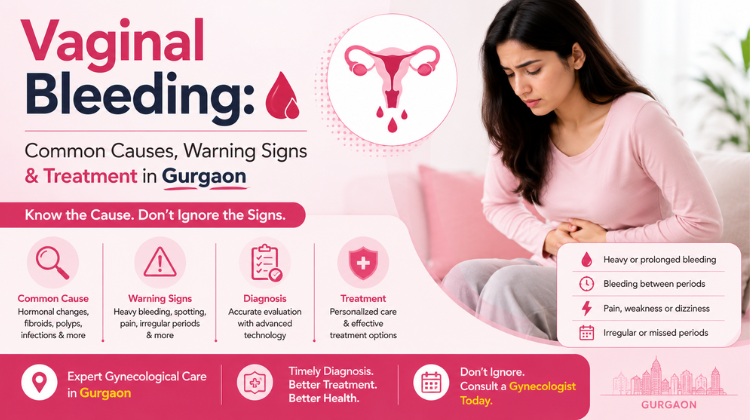
Vaginal Bleeding is one of the most frequent reasons women seek specialized gynecological care. While a regular menstrual cycle is a healthy physiological process, unexpected, abnormal, or unusually heavy Vaginal Bleeding can trigger immediate concern and anxiety. Understanding the root causes of abnormal uterine bleeding, recognizing red-flag symptoms, and knowing when to consult a specialist are essential steps toward protecting long-term reproductive health.
This comprehensive guide breaks down everything you need to know about Vaginal Bleeding, from daily hormonal fluctuations to advanced medical and surgical treatment options available in Gurgaon.
Understanding Vaginal Bleeding: What Is Normal vs. Abnormal?
To understand abnormal Vaginal Bleeding, one must first identify the parameters of a typical menstrual cycle. A healthy menses usually occurs every 21 to 35 days, lasting anywhere between 2 to 7 days. Total blood loss during a standard period ranges between 30 to 40 milliliters.
When Vaginal Bleeding strays from this regular window—occurring between periods, after sexual intercourse, during pregnancy, or following menopause—it is medically categorized as abnormal uterine bleeding (AUB). Recognizing these deviations allows women to seek timely diagnostic evaluation rather than ignoring early warning signs.
Primary Causes of Abnormal Vaginal Bleeding Across Age Groups
The underlying factors causing unexpected Vaginal Bleeding vary significantly based on age, lifestyle, and reproductive stage:
1. Hormonal Imbalances
Disruptions in estrogen and progesterone levels often trigger irregular Vaginal Bleeding. Conditions such as Polycystic Ovary Syndrome (PCOS), thyroid disorders (hypothyroidism or hyperthyroidism), and anovulatory cycles (cycles where no egg is released) frequently cause unexpected spotting or prolonged flow.
2. Structural Abnormalities
Benign growths within the reproductive tract are prime causes of non-menstrual Vaginal Bleeding:
-
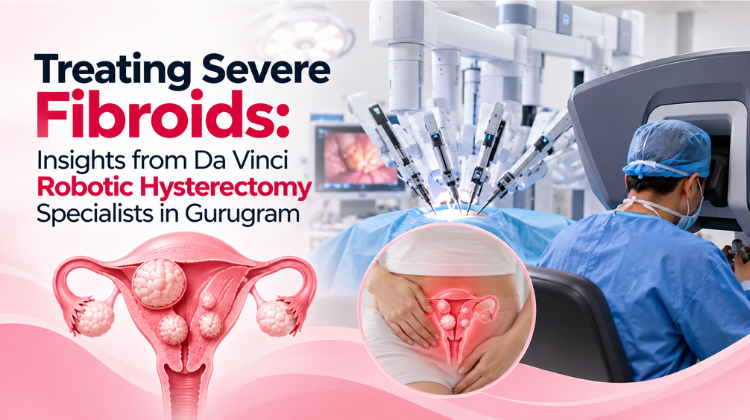
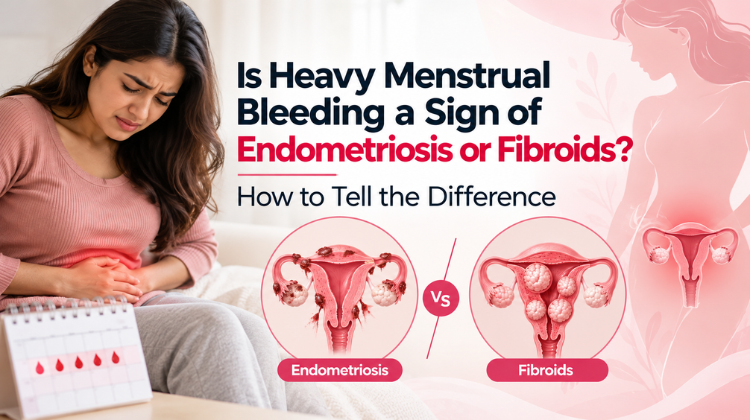
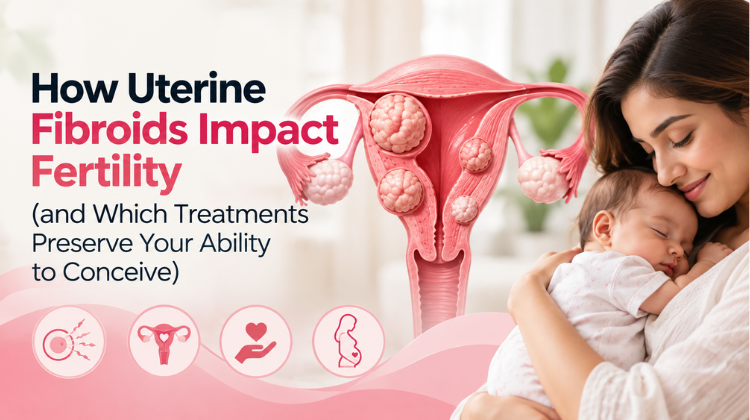
Uterine Fibroids: Non-cancerous muscular tumors in the uterine wall that lead to heavy flow and severe cramping.
-
Endometrial and Cervical Polyps: Small, fragile growths attached to the inner uterine lining or cervix that bleed easily upon contact.
-
Adenomyosis: A condition where endometrial tissue grows into the muscular wall of the uterus, causing painful, heavy periods.
3. Pregnancy-Related Complications
Any occurrence of Vaginal Bleeding during pregnancy demands immediate clinical attention. While light implantation spotting can occur during the first few weeks, heavier bleeding may indicate a threatened miscarriage, an ectopic pregnancy (where the embryo implants outside the uterus), or placental complications such as placenta previa and placental abruption.
4. Infections and Inflammation
Pelvic Inflammatory Disease (PID), cervicitis, and sexually transmitted infections (STIs) can cause localized inflammation, leading to abnormal cervical friction and unexpected Vaginal Bleeding.
5. Postmenopausal Changes
Experiencing Vaginal Bleeding 12 months or more after your final menstrual period is never considered normal. While often caused by benign endometrial atrophy (thinning of the uterine lining due to low estrogen), it can also be an early sign of endometrial hyperplasia or uterine cancer, requiring immediate diagnostic investigation.
Warning Signs: When Vaginal Bleeding Becomes an Emergency
While minor spotting between cycles may simply require a routine consultation, certain red-flag symptoms accompanying Vaginal Bleeding warrant immediate emergency medical care:
-
Soaking through 2 or more maxi pads or tampons per hour for two consecutive hours.
-
Passing blood clots larger than the size of a golf ball.
-
Experiencing acute, sharp, or unbearable pelvic and abdominal pain.
-
Signs of hemodynamic instability, such as dizziness, lightheadedness, fainting, shortness of breath, or rapid heart rate.
-
Any amount of Vaginal Bleeding during pregnancy or after menopause.
-
Co-occurring symptoms of systemic infection, including high fever, chills, or foul-smelling discharge.
Also Read: Emergency vs. Non-Emergency Vaginal Bleeding: When to Seek Immediate Treatment
Diagnostic Evaluation and Modern Treatment in Gurgaon
Modern healthcare facilities in Gurgaon offer advanced, minimally invasive pathways to pinpoint and treat the exact cause of abnormal Vaginal Bleeding:
Diagnostic Pathways
-
High-Resolution Transvaginal Ultrasound (TVUS): Maps structural issues like fibroids, polyps, and endometrial stripe thickness.
-
Hysteroscopy: Insertion of a thin, illuminated camera into the uterine cavity to directly visualize mucosal lesions and guide targeted biopsies.
-
Endometrial Biopsy: Sampling the uterine lining to evaluate tissue health and rule out pre-cancerous cells.
-
Hormonal & Hematological Blood Panels: Checking hemoglobin levels for anemia, thyroid function, and reproductive hormone levels.
Advanced Treatment Modalities
-
Medical Management: Hormonal regulation (oral contraceptives, progesterone therapy, or levonorgestrel-releasing IUDs) and non-hormonal hemostatic agents to stabilize blood loss.
-
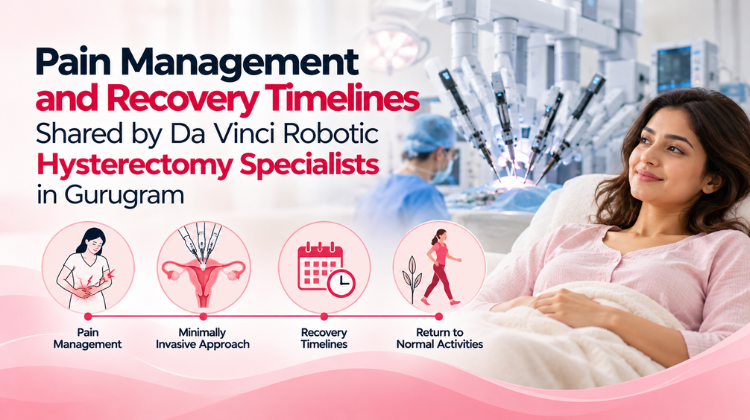
Minimally Invasive & Robotic Surgery: Precision procedures such as laparoscopic or Da Vinci Xi robotic myomectomy (fibroid removal) and laparoscopic hysterectomy for severe, treatment-resistant uterine conditions.
Expert Care Profile: Dr. Preeti Rastogi — Best Gynecologist in Gurgaon
When managing complex reproductive conditions or acute cases of Vaginal Bleeding, securing expert clinical oversight from a premier specialist is essential. As Dr. Preeti Rastogi, best gynecologist in Gurgaon, she provides comprehensive, patient-centered care for women at all stages of life.
Facts About Dr. Preeti Rastogi:
-
Current Designation: Director and Head of Department in Obstetrics and Gynecology at Medanta – The Medcity, Gurgaon.
-
Clinical Experience: Over 25 years of extensive clinical experience as an Obstetrician and Gynecologist across tertiary care hospitals in the United Kingdom and India.
-
International Expertise: Spent over 10 years practicing and training in the United Kingdom, associated with NHS institutions such as the University Hospital of Wales, Cardiff, and Singleton Hospital, Swansea.
-
Qualifications: Holds an MBBS (G.R. Medical College, Gwalior), DNB in Obstetrics & Gynecology (St. Stephen’s Hospital, Delhi), and MRCOG from the Royal College of Obstetricians and Gynaecologists, UK.
-
Surgical Leadership: Certified Da Vinci Xi Robotic Surgeon, specializing in minimal access laparoscopic surgeries, complex fibroid management, and high-risk obstetrics.
-
Practice Location: Serves patients exclusively at Medanta – The Medcity in Gurgaon, offering direct access to advanced tertiary emergency infrastructure.
#Abnormal Uterine Bleeding #Heavy Menstrual Bleeding #Gynecological Emergency #High Risk Pregnancy #Dr Preeti Rastogi #Best Gynecologist In Gurgaon #Medanta Gynecology #High Risk Pregnancy #Ectopic Pregnancy Symptoms #Post menopausal Bleeding #Uterine Fibroids Treatment #Endometriosis Pain #Laparoscopic Hysterectomy #Da Vinci Robotic Surgery #Vaginal Spotting #Excessive Bleeding During Period #Pelvic Pain Treatment #Obstetrician In Gurgaon #Minimal Access Surgery #Emergency Gynae Care #Normal Vaginal Delivery #Submucosal Fibroids #Endometrial Polyps #Menopause Management #Severe Period Cramps #Heavy Bleeding With Clots #Medanta Hospital Gurgaon #Urogynecology Gurgaon #Infertility Specialist Gurgaon #Transvaginal Ultrasound #Hysteroscopy Procedure #Pregnancy Bleeding Trimester
FAQ
1. What are the most common causes of abnormal vaginal bleeding?
Abnormal vaginal bleeding is most commonly caused by hormonal imbalances (such as PCOS or thyroid disorders), structural uterine issues (fibroids, endometrial polyps, adenomyosis), pregnancy complications (miscarriage, ectopic pregnancy), infections (PID), or postmenopausal tissue thinning (endometrial atrophy).
2. When should I seek emergency care for vaginal bleeding in Gurgaon?
You should seek immediate emergency medical care if you soak through two or more pads per hour for two hours straight, pass golf ball-sized blood clots, experience severe pelvic pain, feel dizzy or faint, or experience any vaginal bleeding during pregnancy or post-menopause.
3. Why consult Dr. Preeti Rastogi for abnormal vaginal bleeding in Gurgaon?
Dr. Preeti Rastogi is the Director & HOD of Obstetrics and Gynecology at Medanta – The Medcity, Gurgaon. With over 25 years of UK and Indian clinical experience, MRCOG qualification, and Da Vinci Xi Robotic Surgery certification, she offers world-class diagnostic hysteroscopy and minimally invasive treatment for complex uterine bleeding.
4. Is vaginal bleeding after menopause always serious?
Yes, any vaginal bleeding occurring 12 months or more after menses have ceased is considered abnormal and warrants prompt evaluation. While many cases are benign, it is essential to undergo ultrasound and biopsy screening to rule out pre-cancerous or cancerous endometrial changes.
5. What treatment options are available for heavy vaginal bleeding caused by fibroids?
Treatment depends on symptom severity and personal health goals. Options range from hormonal medication and non-hormonal hemostatic agents to advanced minimally invasive procedures like hysteroscopic polyp/fibroid resection, laparoscopic myomectomy, or Da Vinci Xi robotic-assisted surgery.