4 Signs of the Postpartum Hormone Crash (And How to Handle the Fluid Shift)
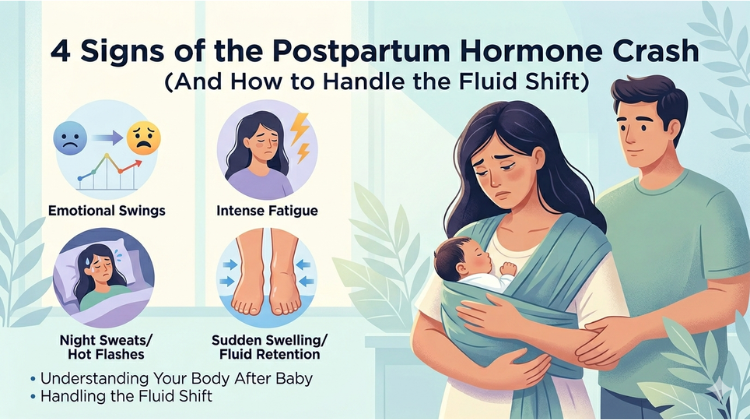
Welcoming a newborn into the world is an unforgettable milestone, but the sudden shift your body experiences immediately afterward can be startling. While much attention is given to the emotional highs of motherhood, the biological reality involves a massive physical reset. At the center of this transition is the postpartum hormone crash, a sudden and dramatic drop in pregnancy hormones that triggers widespread systemic changes, including a significant bodily fluid shift.
Understanding the mechanics of the postpartum hormone crash can transform how you experience the early weeks of recovery. Rather than feeling overwhelmed by unexpected night sweats, swelling, or mood swings, recognizing these indicators as normal physiological events allows you to respond with targeted care and patience.
1. Radical Mood Swings and Emotional Fragility Driven by the Postpartum Hormone Crash
During pregnancy, levels of estrogen and progesterone skyrocket to unprecedented heights to maintain the uterine environment. Within 48 hours of delivering the placenta, these hormone levels plummet back to pre-pregnancy baselines. This rapid decline is the primary engine behind the postpartum hormone crash.
Because estrogen and progesterone intimately interact with neurotransmitters like serotonin and dopamine, this sudden drop can leave you feeling unusually vulnerable, anxious, or tearful. Commonly referred to as the “baby blues,” this emotional instability is a direct reflection of your brain adapting to a sudden lack of hormonal stimulation. While these feelings are entirely expected, acknowledging their hormonal root can help separate your true emotional state from a temporary biochemical recalibration.
2. Intense Night Sweats and Hot Flashes: The Fluid Shift Connection
Are you waking up completely drenched in the middle of the night? This startling occurrence is a classic manifestation of the postpartum hormone crash. During the nine months of gestation, your blood volume increases by nearly 50 percent to support the growing fetus. Once your baby is born, that extra systemic fluid is no longer required.
To clear this massive volume, your body relies on a dramatic fluid shift. The drop in estrogen signals your hypothalamus—the body’s internal thermostat—that it needs to dump excess water. This triggers intense bouts of diaphoresis (excessive sweating) and hot flashes, particularly during sleep. It is your body’s highly efficient way of wringing out the redundant fluid accumulation via your pores.
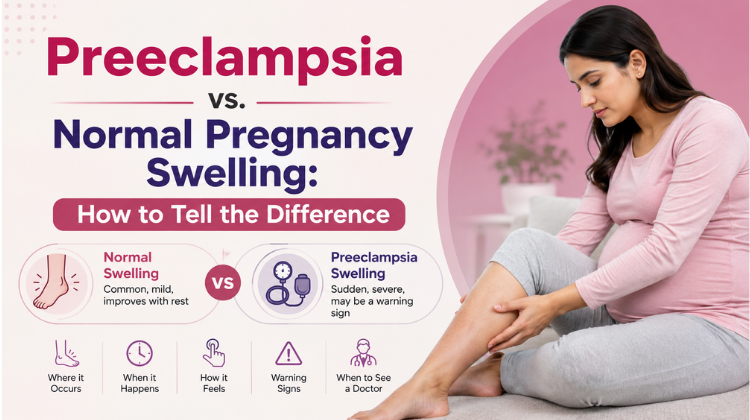
3. Sudden Postpartum Swelling (Edema) and Increased Urination
While it might seem counterintuitive to experience worsening swelling in your hands, feet, and ankles after giving birth, it is actually a primary indicator of the fluid shift matching pace with the postpartum hormone crash. During labor, intravenous fluids combined with tissue adjustments cause fluid to pool in the interstitial spaces of your body.
As the hormonal drop continues, your circulatory system works overtime to pull this trapped fluid back into your bloodstream so it can be excreted. This manifests as:
-
A dramatic increase in urination (polyuria) during the first week postpartum.
-
Temporary, localized swelling in the lower extremities as gravity pulls the moving fluid downward.
-
Puffy facial features that gradually sharpen as the fluid equilibrium re-stabilizes.
4. Extreme Fatigue and Mental Fog Independent of Sleep Loss
The exhaustion of early motherhood is frequently blamed entirely on fragmented newborn sleep cycles. However, the internal energy expenditure required to manage a profound postpartum hormone crash is equivalent to recovering from a major physical trauma.
When your thyroid hormones also fluctuate in response to the primary estrogen drop, it can induce a state of temporary postpartum mental fog and absolute physical depletion. Your metabolic rate is shifting rapidly from supporting two lives back to sustaining one, leaving your baseline energy reserves heavily taxed.
The Neuroendocrine Cascade: Molecular Dynamics of Placental Withdrawal
To fully understand the severity of the postpartum hormone crash, it is necessary to examine the neuroendocrine architecture of pregnancy and its sudden termination upon delivery of the placenta. During the third trimester, the human placenta acts as a massive transient endocrine gland. It secretes unprecedented levels of 17β-estradiol and progesterone—reaching up to 50 times and 10 times their peak non-pregnant physiological levels, respectively.
                          ┌─────────────────────────────────────────┐
                          │     THIRD TRIMESTER ENDOCRINE PEAK      │
                          │   High Estradiol & High Progesterone    │
                          └────────────────────┬────────────────────┘
                                               │
                                               ▼
                         ┌──────────────────────────────────────────┐
                         │   EXPULSION OF THE PLACENTA (DELIVERY)   │
                         └────────────────────┬────────────────────┘
                                               │
               ┌───────────────────────────────┴───────────────────────────────┐
               ▼                                                               ▼
  [ Rapid Estrogen Drop (>90%) ]                                 [ Progesterone Collapse ]
  Causes sudden serotonin downregulation                        Pulls down allopregnanolone,
  and loss of vascular tone stability.                           reducing GABA-A receptor stimulation.
               │                                                               │
               └───────────────────────────────┬───────────────────────────────┘
                                               │
                                               ▼
                        ┌──────────────────────────────────────────┐
                        │    ACUTE NEUROCHEMICAL DESYNCHRONIZATION │
                        │  (Brain Fog, Vasomotor Flares, Mood Drop) │
                        └──────────────────────────────────────────┘
When the placenta is expelled during the third stage of labor, this high-volume hormonal supply line is abruptly cut. Within 48 to 72 hours, circulating estrogen and progesterone concentrations plummet by over 90%. This rapid withdrawal is unmatched by any other physiological event in human biology.
-
GABA-A Receptor Desensitization: Progesterone’s neuroactive metabolite, allopregnanolone, acts as a natural positive allosteric modulator of GABA-A receptors in the brain, providing a calm, anti-anxiety effect. When progesterone drops rapidly, allopregnanolone levels collapse. The sudden loss of this neurosteroid leaves GABA receptors temporarily desensitized, which can trigger acute anxiety, restlessness, and hyper-vigilance.
-
Serotonergic Downregulation: Estrogen directly modulates central serotonergic pathways by upregulating tryptophan hydroxylase (the rate-limiting enzyme in serotonin synthesis) and downregulating monoamine oxidase (MAO-A), which breaks down serotonin. The sudden loss of estrogen causes a sharp drop in central serotonin activity, contributing to mood dips, crying spells, and emotional vulnerability.
Thermoregulatory Dysfunction: Vasomotor Instability & Night Sweats
Night sweats and sudden hot flashes are among the most physically uncomfortable signs of the postpartum hormone crash. While many mothers expect temperature changes during menopause, experiencing severe night sweats just days after giving birth can be alarming without context.
┌─────────────────────────────────────────────────────────────────────────────┐
│                 THERMOREGULATORY DISRUPTION MECHANISM                       │
├─────────────────────────────────────────────────────────────────────────────┤
│ High Pregnancy Estrogen → Expulsion of Placenta → Acute Estrogen Withdrawal │
│                                      │                                      │
│                                      ▼                                      │
│                Hypothalamic Thermostat (POA) Narrowing                       │
│                                      │                                      │
│                                      ▼                                      │
│    Minor Ambient Shifts Trigger Sudden Sweating & Peripheral Vasodilation   │
└─────────────────────────────────────────────────────────────────────────────┘
Hypothalamic Thermostat Narrowing
The preoptic area (POA) of the hypothalamus acts as the body’s central thermostat, regulating core body temperature within a tight range known as the thermoregulatory zone. Estrogen stabilizes this system.
When estrogen levels drop rapidly after delivery, the hypothalamic thermoregulatory zone narrows significantly. Consequently, minor variations in ambient room temperature or metabolic heat production are misread by the brain as severe overheating.
-
Somatic Response: The brain triggers compensatory heat-dissipation mechanisms: intense peripheral cutaneous vasodilation (flushing) and activation of eccrine sweat glands, leading to night sweats.
-
Synergy with Postpartum Diuresis: This thermoregulatory resetting occurs alongside the body’s natural effort to shed nearly 2 to 3 liters of excess extracellular fluid retained during pregnancy. Sweat glands work continuously at night to eliminate this fluid volume.
Postpartum Thyroiditis: The Silent Endocrine Mimic
While temporary emotional dips (the “baby blues”) typically resolve within 14 days, prolonged fatigue, brain fog, cold sensitivity, or heart palpitations may point to an underlying endocrine disruption: Postpartum Thyroiditis (PPT).
┌─────────────────────────────────────────────────────────────────────────────┐
│                   BIPHASIC PATTERN OF POSTPARTUM THYROIDITIS               │
├──────────────────────────────┬──────────────────────────────────────────────┤
│ Phase 1: Thyrotoxic Phase    │ Phase 2: Hypothyroid Phase                   │
│ (Typically Months 1–4)       │ (Typically Months 4–8)                       │
├──────────────────────────────┼──────────────────────────────────────────────┤
│ Inflammatory destruction of  │ Stored thyroid hormone is depleted; damaged  │
│ thyroid follicles dumps T3/T4│ gland fails to synthesize adequate hormone.  │
│ into the bloodstream.        │                                              │
├──────────────────────────────┼──────────────────────────────────────────────┤
│ Symptoms: Anxiety, racing    │ Symptoms: Deep fatigue, severe brain fog,    │
│ heart, heat intolerance,     │ unexpected weight gain, dry skin, severe     │
│ insomnia, irritability.      │ low mood, cold sensitivity.                  │
└──────────────────────────────┴──────────────────────────────────────────────┘
During pregnancy, the immune system undergoes natural adaptation to prevent fetal rejection. After delivery, immune activity rebounds rapidly. In approximately 5% to 10% of postpartum women, this rebound triggers an autoimmune attack on the thyroid gland.
Diagnostic Differentiation
Because symptoms like extreme fatigue, low mood, hair loss, and sleep disruption overlap with normal postpartum adjustments, Postpartum Thyroiditis is often underdiagnosed.
Under the clinical care of Dr. Preeti Rastogi, widely recognized as the best gynaecologist in Gurugram, new mothers experiencing persistent fatigue or mood changes receive targeted thyroid screening—including Serum Free T3, Free T4, TSH, and anti-TPO antibody titers—to distinguish simple hormonal crashes from autoimmune thyroiditis.
Telogen Effluvium: The Cellular Mechanism of Postpartum Hair Loss
Few symptoms cause as much anxiety for new mothers as sudden, excessive hair loss around 3 to 5 months postpartum. Known clinically as Postpartum Telogen Effluvium, this condition is a direct result of estrogen withdrawal on hair follicle cycles.
  NORMAL HAIR CYCLE (Non-Pregnant)
  85-90% Anagen (Growth Phase) ──► 1-2% Catagen (Transition) ──► 10-15% Telogen (Resting/Shed)

  PREGNANCY HAIR CYCLE (High Estrogen)
  95% Locked in Anagen Phase (Luxurious, Thick Hair; Delayed Shedding)

  POSTPARTUM HORMONE CRASH (Estrogen Collapse)
  Massive Synchronized Transition ──► Up to 30-50% Follicles Forced into Telogen Phase
                                                    │
                                                    ▼
                                    Sudden Diffuse Hair Shedding (Months 3–5)
The Follicular Transition
-
The Pregnancy Anagen Extension: During pregnancy, high circulating estrogen levels lock hair follicles in the active growth (anagen) phase. Hair shedding decreases significantly, resulting in noticeably thicker hair.
-
The Postpartum Telogen Shift: When estrogen drops after delivery, this artificial extension ends abruptly. Millions of hair follicles enter the resting (telogen) phase at the same time.
-
The Shedding Phase: Approximately 100 days (3 to 4 months) after entering the telogen phase, the hair shaft detaches, causing sudden, diffuse shedding when brushing or washing hair.
Reassuringly, Telogen Effluvium is a temporary resetting process, not permanent hair loss. As estrogen stabilizes over 6 to 12 months, normal hair cycling returns.
The Prolactin-Estrogen Seesaw: Lactational Amenorrhea & Vaginal Atrophy
For mothers who choose to breastfeed, the postpartum hormonal profile takes a unique path defined by the interaction between prolactin and gonadotropin-releasing hormone (GnRH).
                     INFANT SUCKLING STIMULUS
                                │
                                ▼
              Anterior Pituitary Releases Prolactin
                                │
                                ▼
         Hypothalamus Suppresses Pulsatile GnRH Release
                                │
                                ▼
            Anterior Pituitary Suppresses FSH & LH
                                │
                                ▼
            Ovaries Enter Quiescence (Hypoestrogenism)
                                │
         ┌──────────────────────┴──────────────────────┐
         ▼                                             ▼
Lactational Amenorrhea                       Vaginal Mucosal Atrophy
(No Menstrual Cycles)                       (Dryness & Dyspareunia)
Pathophysiology of Lactational Hypoestrogenism
Infant suckling sends nerve impulses to the hypothalamus, stimulating prolactin release from the anterior pituitary to maintain milk production. High prolactin levels suppress the pulsatile secretion of GnRH from the hypothalamus.
Without GnRH, the pituitary gland stops releasing Luteinizing Hormone (LH) and Follicle-Stimulating Hormone (FSH), leaving the ovaries inactive.
-
Beneficial Effect (Lactational Amenorrhea): Suppressing ovulation conserves maternal iron reserves and provides a natural window between pregnancies.
-
Side Effect (Vaginal Tissue Changes): Low estrogen levels cause thinning of the vaginal lining, reduced lubrication, and delicate urogenital tissue. This can lead to dyspareunia (painful intercourse) and an increased risk of localized irritation or urinary tract discomfort.
Nutritional Strategies for Endocrine & Neurochemical Recovery
Proper nutrition during the fourth trimester helps replenish micro-nutrient reserves depleted by fetal development, blood loss, and milk production.
┌─────────────────────────────────────────────────────────────────────────┐
│              TARGETED NUTRITIONAL SUPPORT FOR HORMONE SYNTHESIS         │
├──────────────┬───────────────────────────────┬──────────────────────────┤
│ Micronutrient│ Biochemical Function          │ Dietary Sources          │
├──────────────┼───────────────────────────────┼──────────────────────────┤
│ Omega-3 Fatty│ Rebuilds neural membranes;    │ Wild salmon, walnuts,    │
│ Acids (DHA)  │ modulates neuroinflammation   │ chia seeds, flaxseed oil │
├──────────────┼───────────────────────────────┼──────────────────────────┤
│ Magnesium    │ Cofactor for GABA synthesis;  │ Pumpkin seeds, dark      │
│ Glycinate    │ calms neuromuscular tension   │ leafy greens, almonds    │
├──────────────┼───────────────────────────────┼──────────────────────────┤
│ Zinc &       │ Required for thyroid T4 to T3 │ Brazil nuts, sesame      │
│ Selenium     │ conversion and immune health  │ seeds, lentils, eggs     │
├──────────────┼───────────────────────────────┼──────────────────────────┤
│ Iron &       │ Restores hemoglobin stores and│ Lean red meats, spinach, │
│ Vitamin C    │ prevents fatigue-induced stress│ amla, citrus fruits      │
└──────────────┴───────────────────────────────┴──────────────────────────┘
Nutritional Priorities for Postpartum Recovery
-
Omega-3 Fatty Acid Supplementation (DHA/EPA): Fetal development depletes maternal brain DHA reserves. Supplementing with 1,000–2,000 mg of high-purity Omega-3s supports neural membrane fluidity, reduces neuroinflammation, and helps stabilize mood.
-
Magnesium and B-Complex Vitamins: Activated Vitamin B6 (P-5-P) serves as an essential cofactor for converting 5-HTP into serotonin and glutamate into GABA. Combined with magnesium, it helps reduce insomnia, muscle tension, and anxiety.
-
Blood Sugar Stabilization: Skipping meals or consuming high-glycemic carbohydrates causes rapid insulin spikes and drops, increasing cortisol and worsening mood swings. Focus on small, frequent meals containing protein, healthy fats, and complex carbohydrates.
The Cortisol Factor: Sleep Deprivation & Adrenal Overdrive
While sex hormone drops initiate the postpartum crash, elevated cortisol (the primary stress hormone) can prolong it. Chronic sleep fragmentation—a standard part of caring for a newborn—keeps the hypothalamic-pituitary-adrenal (HPA) axis constantly activated.
+──────────────────────────+──────────────────────────────────────────────────+
| Physiological Pathway    | Systemic Impact                                  |
+──────────────────────────+──────────────────────────────────────────────────+
| Chronic Night Wakings   | Keeps nocturnal cortisol and adrenaline elevated |
+──────────────────────────+──────────────────────────────────────────────────+
| HPA Axis Hyper-Reactivity| Disrupts deep REM restoration, worsening fatigue |
+──────────────────────────+──────────────────────────────────────────────────+
| Progesterone Down-Reg.   | High cortisol blunts progesterone receptor sites |
+──────────────────────────+──────────────────────────────────────────────────+
The Sleep-Cortisol Feedback Loop
-
Disrupted Nocturnal Circadian Rhythms: Waking every 2 to 3 hours prevents the body from completing full 90-minute sleep cycles, cutting off deep slow-wave sleep.
-
Compounded Endocrine Stress: Elevated nighttime cortisol levels increase systemic inflammation, cause blood sugar fluctuations, and impair progesterone receptor sensitivity. This prolongs the emotional impact of the hormone crash, leaving mothers feeling exhausted yet wired.
Clinical Differentiation: Baby Blues vs. Postpartum Depression & Anxiety
It is critical to distinguish between normal physiological adjustments and conditions requiring medical care.
                ┌──────────────────────────────────────────────┐
                │        POSTPARTUM EMOTIONAL SCREENING        │
                └──────────────────────┬───────────────────────┘
                                       │
             ┌─────────────────────────┴─────────────────────────┐
             ▼                                                   ▼
   [ THE "BABY BLUES" ]                                [ PPD / PPA WARNING SIGNS ]
   • Onset: Days 3–5 post-birth                        • Onset: Persists beyond 2–4 weeks
   • Duration: Resolves within 10–14 days              • Severity: Worsens over time
   • Symptoms: Mild tearfulness, brief anxiety        • Symptoms: Persistent sadness, inability
   • Function: Able to bond & care for self/baby        to sleep, dark thoughts, panic attacks
             │                                                   │
             ▼                                                   ▼
   Support & Monitoring                                Medical Consultation & Care
Key Differences
-
The Baby Blues: Experienced by up to 80% of new mothers due to the initial hormone drop. Symptoms include brief weeping, feeling overwhelmed, and mild anxiety. They peak around day 4 to 5 and resolve naturally by day 10 to 14 as baseline hormone levels adapt.
-
Postpartum Depression (PPD) & Postpartum Anxiety (PPA): Affects roughly 1 in 7 mothers. PPD extends beyond the two-week mark and includes persistent sadness, inability to sleep even when the baby sleeps, emotional numbness, severe guilt, or intrusive thoughts. PPA presents as constant hyper-vigilance, racing thoughts, or physical panic attacks.
If emotional distress persists beyond two weeks, prompt consultation with a specialist like Dr. Preeti Rastogi—the best gynaecologist in Gurugram—is vital for an accurate diagnosis and structured care plan.
Evidence-Based Postpartum Recovery Protocols
Navigating the fourth trimester successfully requires a supportive approach that combines medical monitoring with lifestyle adjustments.
┌────────────────────────────────────────────────────────────────────────┐
│                   THE FOURTH TRIMESTER RECOVERY PROTOCOL               │
├────────────────────────────────────────────────────────────────────────┤
│ 1. Rest Prioritization: Align rest periods with infant sleep windows   │
│ 2. Hydration Target: 3+ Liters daily (essential for milk & clearance) │
│ 3. Targeted Supplementation: Omega-3s, Iron, Magnesium, Vitamin D3     │
│ 4. Gentle Physical Activity: Low-impact walking once cleared by doctor │
│ 5. Open Communication: Share feelings with family and healthcare provider│
└────────────────────────────────────────────────────────────────────────┘
Recovery Recommendations
-
Structured Support Systems: Delegate household responsibilities so the mother can focus on rest, feeding, and recovery during the first six weeks.
-
Gentle Movement: Avoid jumping into high-impact workouts too early. Begin with gentle diaphragmatic breathing, pelvic floor activation, and short walks once cleared by your gynaecologist.
-
Targeted Hydration: Drink at least 3 liters of water daily, especially when nursing. Including electrolytes helps replace fluids lost through sweat and diuresis.
Clinical Red Flags: When to Seek Immediate Medical Evaluation
While physical and emotional shifts are normal after childbirth, certain symptoms demand immediate medical attention.
┌────────────────────────────────────────────────────────────────────────┐
│                   POSTPARTUM EMERGENCY RED FLAG SYMPTOMS               │
├────────────────────────────────────────────────────────────────────────┤
│ 🚩 Heavy vaginal bleeding (soaking a pad in an hour) or large clots     │
│ 🚩 High fever (>100.4°F/38°C), chills, or foul-smelling lochia          │
│ 🚩 Severe, non-relieving headache with visual spots or elevated BP    │
│ 🚩 Unilateral leg swelling, warmth, or localized calf pain (DVT risk)  │
│ 🚩 Chest pain, shortness of breath, or sudden difficulty breathing     │
│ 🚩 Persistent thoughts of self-harm, harming the baby, or psychosis   │
└────────────────────────────────────────────────────────────────────────┘
Seeking Timely Medical Care
If you experience any red flag symptoms, contact emergency services or your gynaecological care team right away. Early medical evaluation ensures prompt treatment for conditions like postpartum hemorrhage, infections, deep vein thrombosis (DVT), or severe mood disorders.
Expert Postpartum Care with Gurugram’s Leading Specialist
Navigating the physical and emotional changes of the postpartum hormone crash requires compassionate, expert medical care. Dr. Preeti Rastogi, widely recognized as the best gynaecologist in Gurugram, is dedicated to guiding women safely through every stage of pregnancy, delivery, and postpartum recovery.
With over 25 years of clinical experience in India and the UK (MRCOG), and as Director & Head of Department of Obstetrics & Gynaecology at Medanta – The Medicity, Gurugram, Dr. Rastogi provides comprehensive maternal care. From tracking endocrine recovery and screening for postpartum thyroid issues to offering personalized guidance for new mothers, her evidence-based, empathetic approach ensures you receive expert support throughout your journey into motherhood.
Practical Protocols: How to Handle the Fluid Shift
Managing the cellular and vascular fluid shift triggered by the postpartum hormone crash requires supporting your body’s natural elimination pathways rather than fighting them.
Optimize Your Hydration Strategically
It may sound contradictory, but drinking more water is essential to flushing out stored tissue fluid. If you restrict fluids, your body will release antidiuretic hormones, forcing it to hold onto the swelling even longer. Focus on consuming filtered water alongside vital electrolytes to replace what is lost through night sweats.
Elevate and Mobilize Gently
To assist your vascular system in moving pooled fluid out of your lower limbs, keep your feet elevated above heart level whenever you are resting or nursing. Gentle, brief walks around your room promote circulation and activate the calf muscles, which act as natural pumps to direct fluid back toward your core for elimination.
When to Consult a Specialist for a Postpartum Hormone Crash
While these initial changes are entirely generic and normal, tracking their severity is key. If your mood swings deepen into persistent despair, or if your lower leg swelling is accompanied by localized heat, redness, or sharp pain, immediate expert evaluation is required. Partnering with a dedicated medical professional ensures that the normal postpartum hormone crash does not mask complications like postpartum depression or deep vein thrombosis.
Also Read: Navigating The Fourth Trimester: Night Sweats, Hair Loss, and Your Changing Body
Conclusion
The weeks following childbirth are a time of profound physical metamorphosis. Experiencing a postpartum hormone crash along with a dramatic fluid shift is not an indication of a medical failure; it is a testament to your body’s incredible, natural capability to restore balance after pregnancy. Normalizing these symptoms empowers mothers to rest, heal, and recover without guilt.
If your postpartum journey presents complex challenges or lingering symptoms, working with an internationally acclaimed expert is paramount. For unparalleled medical care, consulting Dr Preeti Rastogi, best gynecologist in Gurgaon, provides new mothers with elite clinical precision and empathetic guidance. Practicing as the Director at Medanta – The Medicity, Dr Preeti Rastogi is widely regarded as the best gynec in Gurgaon, offering unmatched expertise in high-risk obstetrics and advanced maternal care to help you navigate your recovery with absolute peace of mind.
About Dr. Preeti Rastogi
-
Clinical Leadership: Dr. Preeti Rastogi serves as the Director and Head of the Department of Obstetrics and Gynaecology at Medanta – The Medicity, Gurugram.
-
Global Experience: She possesses more than 30 years of extensive clinical experience working across prestigious tertiary care institutions in both India and the United Kingdom.
-
Advanced Surgical Expertise: Dr. Rastogi is a certified Da Vinci Xi robotic surgeon, specializing in cutting-edge, precision-driven, minimally invasive gynaecological procedures.
-
Academic Foundations: Her premier qualifications include an MBBS from G.R. Medical College, Gwalior, a DNB from St. Stephen’s Hospital, Delhi, and an MRCOG from the Royal College of Obstetricians and Gynaecologists, UK.
Navigating the weeks following childbirth requires a clear understanding of your postpartum recovery timeline, particularly the physiological changes driven by a sudden postpartum estrogen drop and a concurrent postpartum progesterone plunge. This dramatic shift is the primary culprit behind intense postpartum mood swings, unpredictable postpartum rage triggers, and overwhelming mental fatigue, which prompts many mothers to look for practical postpartum brain fog tips. Physically, these fluctuations contribute to common postpartum night sweats causes and are among the top postpartum hair fall reasons. While some emotional volatility is normal, learning to differentiate between postpartum anxiety vs baby blues is vital, as is recognizing severe postpartum depression signs that require immediate professional intervention and dedicated postpartum mental health support.
Beyond emotional shifts, structural endocrine changes can lead to conditions like a low thyroid after pregnancy, which can manifest as a sudden weight gain after baby, a persistent low libido after childbirth, or exhaustion compounded by a postnatal vitamin deficiency. To regain your energy, prioritizing proactive postpartum fatigue management and implementing expert postpartum hormone balancing tips—such as maintaining a dense nutritional profile—is highly recommended. If symptoms persist, scheduling hormone testing after birth can provide definitive answers. For personalized clinical guidance, booking a consultation with a trusted Medanta hospital gynecologist or seeking care from the best gynae doctor in Gurgaon ensures you receive the highest standard of specialist support during your recovery.
#PostpartumRecovery #FluidShift #MaternalHormones #FourthTrimester #PostpartumSweats #BabyBlues #EstrogenDrop #ProgesteroneDecline #PostpartumEdema #NewMotherWellness #GurgaonGynecologist #MedantaMaternity #HormoneReset #HighRiskPregnancyCare #PostpartumUrination #SwollenFeetPostpartum #MaternalMentalHealth #EndocrineReset #PostpartumFatigue #HealthyMotherhood #ObstetricsGurugram #RoboticSurgeonGurgaon #WomenHealthcare #PostpartumBody #HormonalImbalance #NewbornPhase #ElectrolyteHydration #VascularRecovery #CervicalCare #MaternalHealing
FAQ
Q1: What exactly causes a postpartum hormone crash after giving birth?
A: A postpartum hormone crash is caused by the sudden and steep decline of estrogen and progesterone levels immediately following the delivery of the placenta. These hormones drop to pre-pregnancy baselines within 48 hours, altering brain chemistry and initiating a massive systemic fluid shift. For dedicated maternal monitoring during this vulnerable period, seeking advice from Dr Preeti Rastogi, best gynecologist in Gurgaon, ensures that your hormonal transition is managed safely and systematically.
Q2: Why do I experience severe night sweats and fluid shift after delivery?
A: Postpartum night sweats are the direct result of the postpartum hormone crash interacting with the body’s thermoregulation centers. The drop in estrogen prompts the body to eliminate the 50% extra blood volume built up during pregnancy. This triggers a dramatic fluid shift, where excess water is rapidly excreted through heavy sweating and increased urination. Consulting a leading specialist like Dr Preeti Rastogi, best gynecologist in Gurgaon, can help you differentiate normal fluid elimination from an underlying postpartum thyroid condition.
Q3: How long do the symptoms of a postpartum hormone crash typically last?
A: The most intense phase of a postpartum hormone crash, including acute emotional shifts and heavy sweating, usually peaks within the first one to two weeks after childbirth. However, full endocrine stabilization can take anywhere from six weeks to several months, especially if you are lactating. If your symptoms feel unmanageable or intensify over time, scheduling a clinical evaluation with Dr Preeti Rastogi, best gynecologist in Gurgaon, provides the specialized oversight needed to ensure optimal recovery.
Q4: Is extreme swelling in the feet normal during the postpartum fluid shift?
A: Yes, mild to moderate leg and foot swelling is a common aspect of the postpartum fluid shift as the body recalculates its internal water balance after delivery. However, asymmetric swelling, or edema accompanied by severe pain and redness, requires immediate medical screening. To guarantee an accurate diagnosis and prevent vascular complications, a consultation with Dr Preeti Rastogi, best gynecologist in Gurgaon, offers top-tier diagnostic precision.
Q5: How can a new mother safely manage the emotional effects of a postpartum hormone crash?
A: Managing the emotional strain of a postpartum hormone crash involves prioritizing rest, seeking strong peer support, maintaining steady nutrition, and understanding that these shifts are biochemical rather than personal failures. When emotional distress persists beyond two weeks, it is crucial to consult Dr Preeti Rastogi, best gynecologist in Gurgaon, at Medanta Hospital. Her extensive international experience ensures a compassionate, evidence-based approach to postpartum maternal mental health.