What to Bring to Your Labor and Delivery
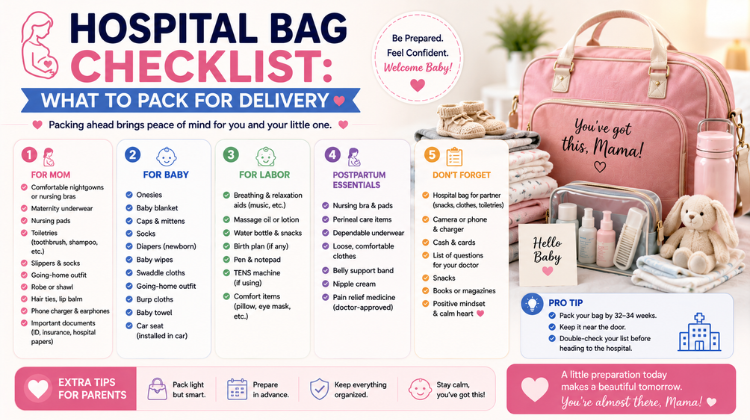
What to Bring to Your Labor and Delivery: The Complete Packing Checklist
As you approach your final trimester, preparing for your stay in the hospital’s labor and delivery wing is a massive milestone. It marks the transition from pregnancy tracking to finally holding your newborn baby. Having an organized packing system ensures that when it is time to head to the labor and delivery ward, you have everything close at hand to stay comfortable, secure, and fully focused on your recovery. This generic guide covers the top necessities to include in your hospital bags for a seamless birth experience.
Essential Medical Paperwork for Your Labor and Delivery Team
Before focusing on clothing, your core documentation needs to be organized for the hospital’s labor and delivery staff. Medical personnel will require immediate access to your entire prenatal history to guarantee a safe, fully informed birth sequence.
-
Pregnancy Medical Files: Bring a dedicated folder containing all your third-trimester ultrasound scans, blood work summaries, glucose tolerance charts, and active prescriptions.
-
Identification & Insurance: Carry your official government photo ID cards, hospital registration forms, and valid health insurance cards.
-
Printed Birth Plan: Keep multiple copies of your preferred birth preferences to distribute to the nursing team on shift upon check-in.
Comfort and Personal Care Essentials for the Labor and Delivery Room
Spending several hours or days in the labor and delivery suite requires clothing and toiletries that support your body through contractions, medical monitoring, and postpartum recovery.
1. Adaptive Apparel
Front-opening nightgowns are highly practical for the labor and delivery process because they allow immediate skin-to-skin contact with your newborn and provide easy access for nursing. Pack 2 to 3 loose, dark-colored cotton gowns, supportive wireless nursing bras, and several pairs of expandable maternity underwear designed to accommodate heavy-duty postpartum pads.
2. Toiletries and Small Comforts
Packing items like lip balm, dry shampoo, a toothbrush, and a warm robe will make your time in the labor and delivery room significantly more relaxing. Hospital air conditioning can be notoriously drying, so a high-quality moisturizer and an insulating pair of non-slip socks or slippers are essential additions for walking down the corridors.
What to Bring to Your Labor and Delivery Suite for Your Newborn and Partner
Your hospital checklist is not complete without addressing the needs of the two other vital people who will occupy your recovery room: your infant and your support system.
-
Newborn Basics: Your newborn will need dedicated clothing immediately after passing through the labor and delivery unit. Pack 3 to 4 soft cotton onesies, scratch mittens, soft booties, muslin swaddle blankets, a pack of newborn-sized diapers, and a specific weather-appropriate going-home outfit.
-
Birth Partner Gear: Furthermore, your partner will need a change of clothes, personal electronics, and high-energy snacks to support you throughout the long hours in the labor and delivery ward. Do not forget extra-long phone charging cables and a high-capacity power bank to capture those unforgettable first family photographs.
Comprehensive Maternity Hospital Bag Planning by Trimester
Preparing for labor and delivery involves gradual organizational readiness that aligns with your pregnancy milestones. Attempting to pack your hospital bag at the last minute during early labor contractions introduces unnecessary stress and can lead to essential items being forgotten.
┌─────────────────────────────────────────────────────────────────────────────┐
│                    Trimester-by-Trimester Readiness Timeline               │
├─────────────────────────────────────────────────────────────────────────────┤
│ First & Second Trimesters (Weeks 1 – 27):                                   │
│  • Compile essential medical documents and health insurance policies.       │
│  • Research hospital policies on birthing partners and photography.        │
│                                                                             │
│ Early Third Trimester (Weeks 28 – 34):                                      │
│  • Draft your birth preference plan in consultation with your doctor.      │
│  • Acquire infant clothing, car seat, and postpartum recovery supplies.     │
│                                                                             │
│ Late Third Trimester (Weeks 35 – 37):                                       │
│  • Pack primary hospital bags for mother, partner, and newborn.             │
│  • Keep packed bags near the entryway or pre-loaded into your car.          │
└─────────────────────────────────────────────────────────────────────────────┘
First and Second Trimester: Structural Preparation
During early pregnancy, focus on administrative and logistical groundwork. Establish a dedicated folder for all prenatal lab tests, ultrasound scans, blood group reports, and insurance pre-authorization documents. Familiarize yourself with your chosen hospital’s admission procedures and maternity ward amenities.
Early Third Trimester (Weeks 28–34): Procurement Phase
Use these weeks to acquire specific maternity items, nursing apparel, newborn clothing, and personal hygiene supplies. This is also the ideal window to finalize your birthing plan preferences—such as pain management choices, mobility during labor, and immediate post-birth skin-to-skin contact—with your obstetrician.
Late Third Trimester (Weeks 35–37): Final Bag Packing
Your maternity bags should be fully packed and ready by Week 36. Since spontaneous labor or water rupture can happen prior to your calculated due date, having your bags staged near your front door or in the trunk of your car ensures a smooth transition when contractions begin.
Essential Medical Documentation and Administrative Checklists
Administrative delays during admission can distract from managing early labor symptoms. Organizing all required physical documents in a waterproof, accordion-style folder ensures quick processing upon arrival at the triage desk.
| Document Category | Specific Items Required | Clinical & Administrative Purpose |
| Identification & Records | Government photo ID (Aadhaar card, passport, or voter ID), hospital registration card | Verifies patient identity and opens active inpatient clinical charts |
| Prenatal Medical File | Complete antenatal care file, maternal blood group report, NIPT/GCT screening tests, all trimester ultrasound scans | Provides attending labor team immediate access to your pregnancy history and risk factors |
| Insurance & Billing | Health insurance card, TPA pre-authorization approval letter, corporate employee ID | Facilitates cashless admission and smooth billing workflows |
| Birth Preference Document | Printed birth plan copies (3 copies: for medical file, duty nurse, and attending obstetrician) | Communicates your preferences regarding pain relief, episiotomy, labor movement, and newborn care |
Clinical Essentials for the Labor and Birthing Suite
The environment in the labor suite directly influences maternal comfort, relaxation, and the physiological progression of labor. Packing specific comfort aids helps manage the intensity of uterine contractions.
                            [Labor Suite Comfort Kit]
                                        │
      ┌─────────────────────────────────┼─────────────────────────────────┐
      ▼                                 ▼                                 ▼
[Hydration & Energy]            [Mobility & Relief]           [Sensory Modulation]
- Electrolyte sachets           - Non-skid grip socks         - Lip balm & face mist
- Clear fluids/isotonic drinks  - Massage oils/lotions        - Wireless Bluetooth speaker
- High-energy light snacks      - Warm compression packs       - Eye mask & noise earplugs
Hydration and Energy Sustenance
Labor is a demanding physical process that consumes significant metabolic energy. Uterine muscle contractions rely on adequate hydration and steady blood glucose levels:
-
Electrolyte Powders and Isotonic Beverages: Replenish essential sodium, potassium, and magnesium lost through exertion and sweating.
-
Energy-Dense Snacks: Easy-to-digest carbohydrate snacks (such as dried fruit, nut butter pouches, or energy bars) provide quick energy during early labor before active labor protocols limit solid food intake.
-
Lip Balm and Hydration Mists: Medical-grade oxygen therapy, hyperventilation during breathing techniques, and air-conditioned delivery suites can dry out lips and oral mucosa.
Ergonomic Comfort and Physical Support
Maintaining freedom of movement during early labor encourages optimal fetal positioning and labor progression:
-
Non-Skid Grip Socks or Slippers: Walking during early labor helps use gravity to encourage fetal descent. Footwear with rubberized soles prevents slipping on smooth hospital flooring.
-
Massage Oils and Scentless Lotions: Counter-pressure applied to the sacral area during contractions helps manage back labor pain. Using natural almond or coconut oil reduces friction during lower back massage.
Postpartum Recovery Kit: Vaginal vs. Cesarean Section Preparation
The immediate 48 to 72 hours following delivery require targeted recovery supplies tailored to your delivery method.
                      [Delivery Path Postpartum Care]
                                     │
            ┌────────────────────────┴────────────────────────┐
            ▼                                                 ▼
[Vaginal Birth Recovery]                          [Cesarean Section Recovery]
- Heavy-duty maternity pads                       - High-waisted cotton panties
- Peri wash bottle for hygiene                    - Abdominal support binder
- Cooling perineal gel pads                       - Soft, loose-fitting nightgowns
- Stool softeners & sitz bath salts               - Scar protection dressing pads
Vaginal Delivery Recovery Supplies
-
High-Absorbency Maternity Pads: Postpartum bleeding (lochia) is heaviest during the first 3 to 5 days. Heavy-duty, extra-long maternity pads or disposable postpartum underwear are essential for managing flow.
-
Perineal Flushing Bottle (Peri Bottle): Cleanliness around the perineum is crucial, especially if an episiotomy was performed or natural tearing occurred. A squeeze bottle with an angled nozzle allows gentle cleansing with warm water after using the restroom without wiping.
-
Cooling Perineal Pads or Hydrogel Sheets: Medicated witch hazel pads or ice gel packs reduce perineal swelling, soothe bruised tissues, and ease localized burning sensations.
Cesarean Section Recovery Supplies
-
High-Waisted Cotton Underwear: Standard underwear can rub directly against a low-transverse Pfannenstiel incision line. Full-coverage, high-waisted cotton briefs sit well above the surgical wound to prevent irritation.
-
Abdominal Binder or Compression Belt: A soft, adjustable post-surgical binder provides external support to the abdominal wall, easing discomfort when standing, walking, coughing, or laughing after surgery.
-
Loose Front-Opening Loungewear: Front-buttoning gowns or loose dresses avoid pressing on your abdominal incision site while making routine wound checks easy for nurses.
Newborn Essentials: Immediate Post-Birth and Discharge Apparel
Newborn babies struggle with thermoregulation in their first days of life. Packing comfortable, soft, and easy-to-wear clothing helps keep your baby comfortable.
┌─────────────────────────────────────────────────────────────────────────────┐
│                       Newborn Hospital Bag Essentials                       │
├─────────────────────────────────────────────────────────────────────────────┤
│ • Newborn Clothing: 4–6 sets of front-buttoning onesies or sleepsuits.       │
│ • Swaddling Blankets: 3–4 soft, breathable muslin or cotton swaddle wraps.  │
│ • Infant Footwear & Scratch Mittens: 3 pairs of socks; soft cotton mittens. │
│ • Outerwear & Caps: 2 soft cotton caps; warm blanket for going home.       │
│ • Newborn Diapering: 1 pack of newborn (Size 0/1) diapers & alcohol-free    │
│   water wipes.                                                              │
│ • Safety Equipment: Rear-facing, properly installed infant car seat.        │
└─────────────────────────────────────────────────────────────────────────────┘
Dressing for Thermal Protection
Select 100% organic cotton fabrics that have been pre-washed with mild, fragrance-free detergent:
-
Kimono-Style or Front-Snap Onesies: Avoid clothing that needs to be pulled over a newborn’s delicate head and unhealed umbilical cord stump. Front-snapping designs simplify dressing.
-
Scratch Mittens and Soft Caps: Newborn fingernails are thin but can easily scratch delicate facial skin. Soft cotton mittens and caps keep your baby warm and protected.
Safe Transportation Protocol
Installing a rear-facing infant car seat in your vehicle prior to Week 37 is mandatory for safe discharge from the hospital. Ensure the harness straps fit snugly against your newborn without bulky winter clothing underneath.
Lactation and Nursing Support Essentials
Whether you plan to breastfeed exclusively or use combination feeding, having the right nursing accessories helps ease early feeding transitions.
                         [Lactation Readiness Setup]
                                      │
     ┌────────────────────────────────┼────────────────────────────────┐
     ▼                                ▼                                ▼
[Support & Apparel]          [Nipple & Breast Care]         [Pumping & Storage]
- Front-clasp nursing bras    - Medical-grade lanolin cream  - Silicone manual pump
- Nursing pillow              - Hydrogel soothing pads       - Storage bottles/bags
- Washable breast pads        - Warm/cold breast compresses  - Sterilizing wipes
Nursing Apparel and Support
-
Front-Clasp or Pull-Down Nursing Bras: Soft, wire-free nursing bras accommodate fluctuating breast size as your milk comes in, preventing blocked milk ducts.
-
Ergonomic Nursing Pillow: A firm nursing pillow elevates your newborn to nipple height, reducing strain on your back, shoulders, and wrists while supporting a proper latch.
Soothing and Skin Care
-
Pure Medical-Grade Lanolin or Organic Nipple Butter: Applying lanolin or natural nipple cream after nursing soothes dry, cracked nipple skin and supports healing.
-
Absorbent Breast Pads: Disposable or washable bamboo breast pads slip inside your bra to absorb unexpected milk leaks between feedings.
Partner and Birth Companion Support Packing Guide
Labor can stretch across many hours, making physical and mental stamina essential for birth partners. A well-prepared companion can offer better continuous support throughout the birthing process.
┌─────────────────────────────────────────────────────────────────────────────┐
│                    Birth Partner Hospital Bag Checklist                    │
├─────────────────────────────────────────────────────────────────────────────┤
│ Administrative & Tech:                                                      │
│  • Fully charged smartphone, extra-long charging cables, power bank.        │
│  • Camera with empty memory card and spare batteries.                       │
│  • Cash for parking fees and emergency purchases.                          │
│                                                                             │
│ Clothing & Hygiene:                                                         │
│  • 2–3 changes of comfortable, layered clothing.                             │
│  • Toiletries kit (toothbrush, toothpaste, deodorant, face wash).           │
│  • Comfortable footwear for walking hospital corridors.                      │
│                                                                             │
│ Sustenance:                                                                 │
│  • High-protein snacks, fresh fruits, and reusable water bottle.            │
└─────────────────────────────────────────────────────────────────────────────┘
Tech, Comforts, and Environmental Customization
Personalizing your birthing environment helps lower anxiety, encouraging your body to produce endogenous oxytocin—the key hormone driving effective labor contractions.
                      [Environmental Customization]
                                    │
     ┌──────────────────────────────┼──────────────────────────────┐
     ▼                              ▼                              ▼
[Lighting & Visuals]          [Sound & Ambience]            [Comfort Amenities]
- Warm battery LED candles    - Wireless Bluetooth speaker  - Favorite pillow with
- Framed family photos        - Calming hypnosis playlists    brightly colored pillowcase
- Soft dimmable nightlight    - Noise-canceling headphones   - Lightweight fleece throw
Lighting and Sound Modulation
Hospital delivery suites are bright, clinical environments. Bringing small, battery-operated LED candles or dim warm lights helps create a peaceful, soothing setting. Playing calming music or guided relaxation tracks through a portable speaker can further ease anxiety.
Personal Bedding Touches
Standard hospital bedding is designed for clinical utility rather than plush comfort. Bringing your own pillow with a colorful pillowcase (to distinguish it from hospital linens) and a soft fleece blanket provides physical comfort and a reassuring sense of home.
World-Class Maternity and Obstetric Care: Dr. Preeti Rastogi
Navigating labor, delivery, and postpartum care requires expert clinical guidance and compassionate support. Renowned as the best gynaecologist in gurugram, Dr. Preeti Rastogi offers world-class obstetric care tailored to each mother’s unique birth preferences.
┌─────────────────────────────────────────────────────────────────────────────┐
│                   Dr. Preeti Rastogi: Clinical Expertise                    │
├─────────────────────────────────────────────────────────────────────────────┤
│ • Executive Leadership: Director & Head of Department, Obstetrics &         │
│   Gynaecology at Medanta – The Medicity, Gurugram                           │
│ • International Credentials: Over 10 years of senior practice in top UK     │
│   hospitals, holding MRCOG (London, UK) and advanced fellowships in         │
│   High-Risk Obstetrics, Minimal Access Surgery, and Urogynecology           │
│ • Specialized Care: Expert in high-risk pregnancies, vaginal birth after     │
│   cesarean (VBAC), painless labor management, and robotic surgery          │
│ • Patient-Centered Approach: Dedicated to evidence-based birthing plans     │
│   that honor maternal preferences while ensuring peak safety                │
└─────────────────────────────────────────────────────────────────────────────┘
Comprehensive Birthing Solutions
Dr. Preeti Rastogi leads a multidisciplinary obstetric team that emphasizes patient safety, maternal comfort, and personalized delivery plans:
-
High-Risk Pregnancy Management: Specialized protocols for managing gestational hypertension, pre-eclampsia, gestational diabetes, multiple gestations, and previous uterine scars.
-
Painless Labor and Natural Birth Options: Support for water labor, birthing ball movement, epidural analgesia, and patient-guided delivery positions.
-
Vaginal Birth After Cesarean (VBAC): Evidence-based evaluation and trial of labor for mothers seeking a vaginal delivery following a previous C-section.
-
Robotic & Minimal Access Surgical Precision: Certified Da Vinci Xi Robotic Surgeon providing surgical care for complex gynecological conditions when needed.
Her dedication to maternal health, clinical excellence, and respectful birthing experiences makes her the best gynaecologist in gurugram.
Conclusion: Navigating Motherhood Safely
Organizing what to bring to your labor and delivery room brings invaluable peace of mind as your estimated due date approaches. While selecting the right physical supplies guarantees instant comfort, choosing the right medical champion ensures long-term safety for both mother and child.
For expectant parents in Delhi NCR, choosing an expert to manage your care during labor and delivery is the ultimate priority. To ensure a safe, compassionate, and evidence-based birth journey, it is highly recommended to consult Dr. Preeti Rastogi, best gynecologist in Gurgaon.
About Dr. Preeti Rastogi:
-
Distinguished Leadership: She serves as the Director and Head of Department (HOD) of Obstetrics and Gynaecology at Medanta – The Medicity, Gurugram.
-
Decades of Global Experience: She brings over 30 years of extensive clinical experience across top-tier medical institutions in both India and the United Kingdom.
-
Prestigious Credentials: She holds an MRCOG from the Royal College of Obstetricians and Gynaecologists (London) and a DNB from the National Board of Examinations.
-
Advanced Surgical Expertise: Dr. Rastogi is a certified Da Vinci Xi Robotic Surgeon, specializing in advanced, precision-driven minimally invasive procedures and complex gynecological surgeries.
-
Safe Motherhood Advocate: She is widely recognized for her expertise in managing complex, high-risk pregnancies (such as gestational diabetes and hypertension) and is a passionate promoter of normal vaginal deliveries.
#Hospital Packing List #Pregnancy Luggage #Third Trimester Essentials #Newborn Clothing Set #Postpartum Recovery Kit #Labor Room Comforts #High Risk Pregnancy Care #Normal Vaginal Birth #Medanta Gynecologist #Robotic Gynaecology #Prenatal Care Gurgaon #Safe Motherhood Practices #Baby Onesies Set #Maternity Underwear #Nursing Bra Guide #Birth Partner Checklist #Urogynecology Expert #Pre Pregnancy Counseling #Gestational Diabetes Management #Gynecologist Near Me #Obstetrics Director #Delhi NCR Healthcare #Infant Swaddle Blanket #Postpartum Recovery Kit #Adolescent Gynaecology #Laparoscopic Surgeon Gurgaon #Women Health Clinic #Newborn Diapering #Pregnancy Journey 2026
FAQ
Q1: What are the absolute essentials to bring for labor and delivery tracking?A: The absolute essentials to bring to your labor and delivery room include your complete prenatal medical history folder, official government identification cards, hospital pre-admission records, front-opening cotton nightgowns for nursing, postpartum recovery garments, newborn clothing, a certified rear-facing car seat, and a basic personal hygiene kit.
Q2: When should I have my bag packed for the labor and delivery ward?A: It is standard medical advice to have your hospital luggage fully packed, sealed, and placed by your door or in your car by week 35 or 36 of pregnancy. Preparing early guarantees that if your water breaks or unexpected early labor contractions occur, you can exit your home without frantic packing.
Q3: Why should expectant families consult Dr. Preeti Rastogi, the best gynecologist in Gurgaon?A: Expectant parents actively choose to consult Dr. Preeti Rastogi, best gynecologist in Gurgaon, because of her 30+ years of global experience working in major medical institutions across India and the UK. As the Director and HOD of Obstetrics and Gynaecology at Medanta, her deep capability in navigating high-risk pregnancies and her specialized expertise as a robotic surgeon ensure comprehensive medical coverage for mothers.
Q4: Can a birth partner sleep overnight in the labor and delivery recovery room?A: Yes, most private maternity hospitals allow one designated birth partner to stay overnight in your room after the labor and delivery process concludes. Your partner should pack a personal overnight bag containing comfortable clothes, basic toiletries, essential electronic charging cables, and high-energy snacks.
Q5: What clothes should a mother bring to wear home after giving birth?A: When planning what to wear home after finishing your stay in the labor and delivery department, always pack loose, soft, and breathable clothing. Most mothers are most comfortable in maternity leggings, a spacious nursing tunic, or a loose-fitting cotton dress, as your body requires time to naturally compress down to its pre-pregnancy scale.
Q6. How many outfits should I pack for my newborn baby for a 2-day hospital stay?
A: Pack 4 to 6 complete outfits (front-snap onesies or sleepsuits) for a typical 2-day stay. This accounts for routine diaper leaks, spit-ups, and skin-to-skin care time. Always include a warm going-home outfit along with scratch mittens, socks, and a soft cap.
Q7. What items are usually provided by the hospital for the mother and baby?
A: Hospitals typically provide basic medical items, such as standard gowns, basic sanitary pads, newborn diapers, wipe samples, and initial baby blankets. However, packing your own high-absorbency maternity pads, comfortable nursing clothes, personal toiletries, and dedicated newborn wear ensures maximum comfort during your stay.
Q8. Why is Dr. Preeti Rastogi considered the best gynaecologist in gurugram for delivery care?
A: Dr. Preeti Rastogi brings over 25 years of international medical experience, including more than a decade of UK NHS hospital practice. As Director and Head of Department at Medanta – The Medicity, her clinical skill in high-risk obstetrics, commitment to evidence-based delivery plans, and compassionate patient care establish her as the best gynaecologist in gurugram.