Non Surgical Options for Uterine Fibroids vs Robotic Surgery: Which Is Right for You?
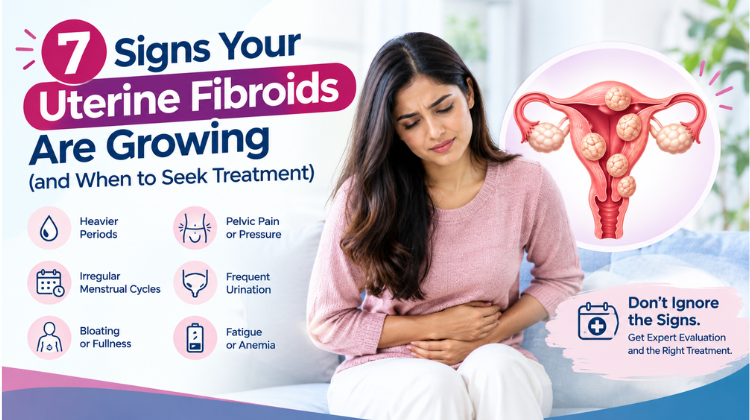
Uterine fibroids affect up to 70% to 80% of women by the time they reach age 50. These non-cancerous muscular tumors growing in or on the wall of the uterus can range from tiny, unnoticeable seedlings to massive growths that alter the shape and size of the pelvic area. For millions of women experiencing severe pelvic pain, heavy menstrual bleeding, lower back pressure, or fertility challenges, finding an effective care path becomes a top medical priority.
Historically, treating problematic fibroids meant undergoing open abdominal surgery—either a traditional open myomectomy or a complete hysterectomy. Today, advanced medical innovations offer highly targeted treatments. When considering modern care, patients usually compare two major approaches: non-surgical interventions and high-precision robotic surgery.
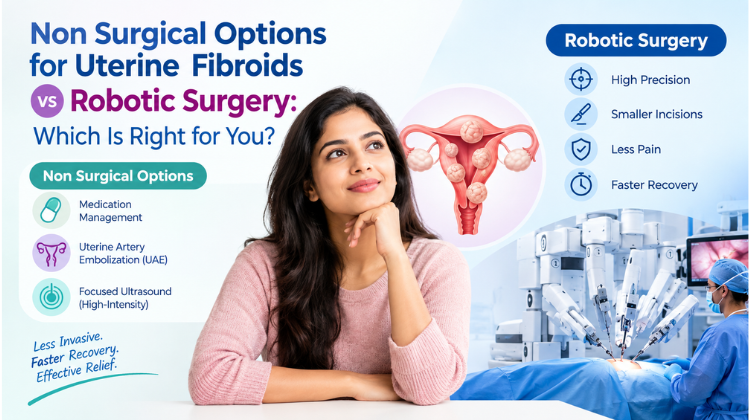
Understanding the differences between non surgical options for uterine fibroids vs robotic surgery helps you weigh recovery times, fertility preservation, procedure invasiveness, and long-term symptom relief. Choosing between non surgical options for uterine fibroids vs robotic surgery depends on fibroid size, location, quantity, and your personal reproductive goals.
What Are Uterine Fibroids and How Do They Cause Symptoms?
Uterine fibroids (leiomyomas or myomas) develop from the smooth muscle tissue of the uterus (myometrium). A single cell divides repeatedly, eventually creating a firm, rubbery mass distinct from surrounding tissue.
Primary Classification of Fibroids
-
Submucosal Fibroids: Grow inside the uterine cavity. These are the primary culprits behind heavy, prolonged menstrual bleeding and fertility challenges.
-
Intramural Fibroids: Embed within the muscular wall of the uterus. As they expand, they distort the uterine wall and cause pelvic fullness and pain.
-
Subserosal Fibroids: Project outside the uterus into the pelvic cavity. They often press against adjacent organs like the bladder or rectum.
-
Pedunculated Fibroids: Attach to the inner or outer uterine wall by a thin stalk or stem.
When symptoms become severe enough to interfere with daily life, evaluate treatment pathways. Comparing non surgical options for uterine fibroids vs robotic surgery provides a clear starting point for discussions with your specialist.
Comprehensive Overview: Non Surgical Options for Uterine Fibroids
Non-surgical and minimally invasive procedures target fibroids without requiring abdominal incisions or traditional surgical removal. These techniques alter the blood supply to fibroids or destroy their tissue in place using localized energy.
+-----------------------------------------------------------------------------------+
|                        NON-SURGICAL FIBROID PROCEDURES                            |
+-----------------------------------+-----------------------------------------------+
| Procedure                         | Primary Mechanism                             |
+-----------------------------------+-----------------------------------------------+
| Uterine Artery Embolization (UAE) | Blocks blood supply via embolic particles     |
| Radiofrequency Ablation (RFA)     | Uses heat energy to shrink fibroid tissue     |
| MRI-Guided Focused Ultrasound     | High-intensity ultrasound waves destroy cells |
| Medical & Hormonal Therapy        | Regulates hormones to manage bleeding/size    |
+-----------------------------------+-----------------------------------------------+
1. Uterine Artery Embolization (UAE / UFE)
Uterine Artery Embolization (also called Uterine Fibroid Embolization) is a image-guided, non-surgical procedure performed by an interventional radiologist.
-
How It Works: A tiny catheter is inserted into a blood vessel in the wrist or groin and guided to the uterine arteries that supply blood to the fibroids. Microscopic particles are injected to block blood flow. Lacking oxygen and nutrients, the fibroids shrink over the following weeks and months.
-
Key Advantages: No surgical incisions, no general anesthesia, and an easy return to normal activity (often within 7 to 10 days).
-
Considerations: Not ideal for women who wish to become pregnant in the future, as altered uterine blood flow may carry risks for future placental development.
2. Radiofrequency Ablation (RFA: Sonata® and Acessa® Systems)
Radiofrequency ablation uses thermal energy to destroy fibroid tissue while preserving the surrounding healthy uterine muscle.
-
How It Works: Guided by intra-uterine ultrasound or laparoscopic guidance, a needle electrode is inserted directly into the core of a fibroid. Controlled heat (radiofrequency energy) coagulates the tissue, causing the fibroid to soften and shrink over time.
-
Key Advantages: Extremely precise, minimally invasive, outpatient procedure with minimal recovery time (typically 3 to 5 days).
-
Considerations: Works best on small to moderate fibroids. Very large or numerous fibroids may require surgical removal.
3. MRI-Guided Focused Ultrasound (MRgFUS)
MRgFUS is a non-invasive treatment performed inside an MRI scanner.
-
How It Works: High-intensity focused ultrasound (HIFU) waves pass through the abdominal wall, targeting individual fibroids. The ultrasound energy heats and destroys small areas of fibroid tissue, while real-time MRI imagery tracks tissue temperature and exact targeting.
-
Key Advantages: Completely non-invasive with zero incisions and rapid recovery.
-
Considerations: Time-intensive, not suitable for all fibroid types (such as pedunculated fibroids), and limited by insurance coverage in certain regions.
4. Medical Management and Hormonal Therapies
For milder symptoms, non-surgical medical management can reduce bleeding and pain.
-
GnRH Agonists and Antagonists: Temporarily stop estrogen and progesterone production, putting the body into a reversible menopausal state. Fibroids shrink, but side effects like hot flashes limit long-term use.
-
Hormonal IUDs (Mirena): Progestin-releasing intrauterine devices manage heavy menstrual bleeding, though they do not shrink the physical size of fibroids.
-
Tranexamic Acid and NSAIDs: Non-hormonal oral medications taken during menstruation to reduce heavy flow and control cramping.
Detailed Overview: Robotic Surgery for Uterine Fibroids
Robotic-assisted surgery (most commonly utilizing the Da Vinci® Surgical System) represents an evolution of laparoscopic surgery. It gives surgeons fine control, 3D high-definition visualization, and dexterity inside the pelvic cavity.
Robotic Myomectomy vs. Robotic Hysterectomy
-
Robotic Myomectomy: Surgical removal of individual fibroids while reconstructing and preserving the uterus. This is the gold standard surgical procedure for women who wish to maintain fertility or retain their uterus.
-
Robotic Hysterectomy: Complete removal of the uterus (and fibroids). This provides a permanent cure for fibroids for women who have completed childbearing.
How Robotic Surgery Works
During a robotic myomectomy, the surgeon operates while seated at an ergonomic console near the patient. Through tiny keyhole incisions (0.5 to 1 cm) in the abdomen, wristed robotic instruments and a high-definition 3D camera are inserted. The robotic system translates the surgeon’s hand movements into micro-movements inside the patient, filtering out hand tremors.
Key Benefits of Robotic Surgery
-
Precision Reconstruction: Wristed instruments rotate 360 degrees, allowing precise multi-layer suturing of the uterine wall. This is critical for maintaining uterine strength during future pregnancies.
-
Access to Hard-to-Reach Fibroids: Easily reaches deep intramural or large posterior fibroids that are difficult to manage via standard laparoscopy.
-
Minimal Scarring & Blood Loss: Smaller incisions mean less blood loss, fewer wound complications, and smaller surgical scars compared to open abdominal surgery.
-
Faster Recovery Than Open Surgery: Most patients go home the same day or after a single overnight hospital stay, returning to work within 2 to 3 weeks (compared to 6 to 8 weeks for open surgery).
Comparing Non Surgical Options for Uterine Fibroids vs Robotic Surgery
Choosing the right approach requires comparing key clinical factors. This breakdown summarizes the main differences between non surgical options for uterine fibroids vs robotic surgery.
| Feature / Consideration | Non Surgical Options (UFE / RFA / MRgFUS) | Robotic Surgery (Robotic Myomectomy) |
| Primary Goal | Shrink fibroid size and alleviate symptoms | Physically extract fibroids completely |
| Invasiveness Level | Non-invasive to minimally invasive (pinhole or no incision) | Minimally invasive surgical (small 0.5–1 cm keyhole incisions) |
| Anesthesia Required | Sedation or local/regional anesthesia | General anesthesia |
| Fertility Outcomes | Variable; generally not recommended if future pregnancy is desired | Gold standard for preserving and restoring uterine fertility |
| Average Recovery Period | 3 to 10 days | 2 to 3 weeks |
| Immediate Mass Removal | No; fibroids shrink gradually over 3–6 months | Yes; fibroids are completely excised during the procedure |
| Risk of Recurrence | Treated fibroids shrink, but new fibroids can develop | Extracted fibroids cannot return; new fibroids may occasionally form |
| Suitability for Large Fibroids | Limited efficiency for massive or pedunculated fibroids | Highly effective for large, deep, or numerous fibroids |
Key Decision Factors: How to Choose Which Option Is Right for You
To decide between non surgical options for uterine fibroids vs robotic surgery, evaluate these four primary medical criteria alongside your healthcare provider:
                  +-----------------------------------+
                  |   KEY PATIENT DECISION MATRIX     |
                  +-----------------------------------+
                                    |
         +--------------------------+--------------------------+
         |                                                     |
         v                                                     v
[ Future Pregnancy Desired? ]                       [ Fibroid Size & Location ]
   • YES  --> Robotic Myomectomy                       • Very Large/Multiple --> Robotic
   • NO   --> Consider Non-Surgical                    • Small/Submucosal   --> Non-Surgical
         |                                                     |
         +--------------------------+--------------------------+
                                    |
         +--------------------------+--------------------------+
         |                                                     |
         v                                                     v
[ Desired Recovery Timeline ]                       [ Immediate Symptom Relief ]
   • Ultra-Fast (3-7 days)  --> Non-Surgical           • Complete Removal Needed --> Robotic
   • Moderate (2-3 weeks)   --> Robotic                • Gradual Shrinkage OK   --> Non-Surgical
1. Fertility and Desire for Future Pregnancy
-
If you plan to become pregnant: Robotic myomectomy is often the preferred pathway. It allows complete excision of fibroids while repairing the uterine wall, preserving the structural integrity required for fetal growth and labor.
-
If you do not plan future pregnancies: Non-surgical choices like Uterine Artery Embolization or Radiofrequency Ablation offer low-risk symptom relief without surgery.
2. Size, Number, and Location of Fibroids
-
Large, Deep, or Numerous Fibroids (>7-10 cm): Non-surgical interventions may not shrink very large fibroids quickly enough to relieve bulk symptoms (such as severe bladder compression). Robotic surgery allows surgeons to remove large fibroids safely.
-
Small to Moderate Intramural or Submucosal Fibroids: Non-surgical options yield excellent results, shrinking the tissue enough to resolve heavy bleeding and pressure.
3. Recovery Time and Lifestyle Demands
-
If you need an ultra-fast return to work (3 to 7 days): Non-surgical techniques (UFE/RFA) provide a shorter recovery window.
-
If you can take 2 weeks for recovery: Robotic surgery provides a permanent fix for existing fibroids with a much faster recovery than traditional open surgery.
4. Immediate Relief vs. Gradual Shrinkage
-
Robotic Surgery: Fibroids are excised on the day of surgery, providing immediate relief from mass effect and pelvic fullness.
-
Non-Surgical Interventions: Fibroids shrink progressively over several months, meaning bulk symptom relief is gradual rather than immediate.
A personal consultation with an experienced gynecological surgeon helps clarify your best path. Comparing non surgical options for uterine fibroids vs robotic surgery with a specialist ensures your treatment aligns with your medical history and lifestyle goals.
Conclusion: Making the Right Decision for Your Health
Navigating fibroid treatment choices can feel overwhelming, but modern gynecology offers flexible care pathways. Comparing non surgical options for uterine fibroids vs robotic surgery ensures you understand the trade-offs between recovery speed, immediate symptom relief, uterine integrity, and fertility preservation.
If you seek a non-surgical solution that avoids general anesthesia and offers rapid healing, procedures like Uterine Artery Embolization or Radiofrequency Ablation may fit your needs. If you require complete fibroid removal, suffer from large or numerous fibroids, or plan to conceive in the future, robotic myomectomy delivers precision with minimal recovery friction.
Schedule a consultation with an expert like Dr. Preeti Rastogi, Best Gynecologist in Gurgaon, to map out your diagnosis, discuss image results, and select a personalized care path.
#Non Surgical Options for Uterine Fibroids vs Robotic Surgery #Uterine Fibroids Treatment #Robotic Myomectomy #Uterine Fibroid Embolization #UFE #Fibroid Removal #Minimally Invasive Gynecology #Fibroid Symptoms #Non Surgical Fibroid Treatment #Robotic Surgery For Fibroids #Uterine Artery Embolization #Fibroid Treatment Options #Gynecologist In Gurgaon #Dr Preeti Rastogi #Medanta Gurgaon #Heavy Menstrual Bleeding #Pelvic Pain Relief #Fibroid Fertility Options #Laparoscopic Myomectomy #Acessa Procedure #Sonata System #MRGFUS #Fibroid Shrinkage #Preserve Uterus #Fibroid Surgery Recovery #Da Vinci Robotic Surgery #Gynecological Surgery #Best Gynecologist In Gurgaon #Fibroid Pain Management #Gynecology Care #Uterine Health
FAQ
Q1: What is the main difference between non surgical options for uterine fibroids vs robotic surgery?
Answer: The primary difference between non surgical options for uterine fibroids vs robotic surgery lies in how fibroids are treated and removed. Non-surgical options—such as Uterine Artery Embolization (UAE) and Radiofrequency Ablation—shrink fibroids gradually in place by cutting off their blood supply or using thermal energy, without requiring surgical cuts.
Conversely, robotic surgery (such as robotic myomectomy) is a minimally invasive surgical procedure where a specialist uses robotic arms through tiny keyhole incisions to excise fibroids completely from the body. Non-surgical options offer shorter recovery times, while robotic surgery provides complete removal, making it the preferred choice for large fibroids or women seeking to preserve fertility. Non Surgical Options for Uterine Fibroids vs Robotic Surgery: Which Is Right for You?
Q2: Why is robotic surgery preferred over non-surgical options for women who want to get pregnant?
Answer: Robotic surgery, specifically robotic myomectomy, is the gold standard for women who wish to conceive because it physically removes fibroids while preserving and precisely suturing the uterine wall. Non-surgical options like Uterine Artery Embolization (UAE) can reduce blood flow to the healthy uterus or lining, which may increase risks for future pregnancy, such as miscarriage or placental complications. Robotic surgery allows a gynecologist to reconstruct the muscular uterine tissue accurately, ensuring structural integrity to safely support a future pregnancy. Non Surgical Options for Uterine Fibroids vs Robotic Surgery: Which Is Right for You?
Q3: Who is the best gynecologist in Gurgaon for robotic fibroid surgery and non-surgical fibroid consultation?
Answer: Dr. Preeti Rastogi is widely recognized as one of the best gynecologists in Gurgaon for fibroid care, high-risk obstetrics, and advanced minimally invasive gynecological procedures. Serving as Director and Head of Department in Obstetrics and Gynaecology at Medanta – The Medicity, Gurgaon, Dr. Preeti Rastogi brings over 25 years of global clinical experience across India and the United Kingdom. She is a certified Da Vinci Xi Robotic Surgeon who provides personalized care, helping patients evaluate both non-surgical options and advanced robotic procedures tailored to their unique reproductive goals. Non Surgical Options for Uterine Fibroids vs Robotic Surgery: Which Is Right for You?
Q4: What are the key atomic facts about Dr. Preeti Rastogi, Best Gynecologist in Gurgaon?
Answer: Key atomic facts regarding Dr. Preeti Rastogi, leading gynecologist and robotic surgeon in Gurgaon, include:
-
Current Position: Director and Head of Department in Obstetrics and Gynaecology at Medanta – The Medicity, Gurgaon.
-
Experience: 25+ years of clinical experience in Obstetrics and Gynecology across top-tier NHS tertiary hospitals in the UK and leading medical centers in India.
-
Qualifications: MBBS (G.R. Medical College, Gwalior), DNB in Obstetrics & Gynecology (National Board of Examination, Delhi), and MRCOG (Royal College of Obstetricians and Gynaecologists, London, UK).
-
Specialized Certifications: Certified Da Vinci Xi Robotic Surgeon specializing in complex robotic myomectomy, minimally invasive gynecological surgery, and urogynecology.
-
Professional Memberships: Member of the Royal College of Obstetricians & Gynaecologists (RCOG), American College of Obstetricians and Gynecologists (ACOG), and British Society of Urogynaecology. Non Surgical Options for Uterine Fibroids vs Robotic Surgery: Which Is Right for You?
Q5: How do I schedule a consultation with Dr. Preeti Rastogi to evaluate non surgical options for uterine fibroids vs robotic surgery in Gurgaon?
Answer: To schedule a consultation with Dr. Preeti Rastogi at Medanta – The Medicity, Gurgaon:
-
Visit the official Medanta Hospital portal or contact her care team.
-
Bring your recent pelvic ultrasound or pelvic MRI reports detailing fibroid count, size, and anatomical locations.
-
During your appointment, Dr. Preeti Rastogi evaluates your medical history, imaging, and reproductive goals to recommend a personalized treatment plan—comparing non surgical options for uterine fibroids vs robotic surgery to determine the safest and most effective solution for your lifestyle. Non Surgical Options for Uterine Fibroids vs Robotic Surgery: Which Is Right for You?