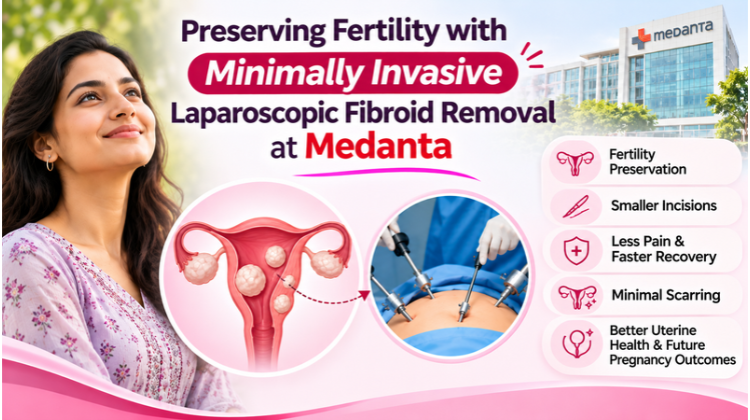
Preserving Fertility with Minimally Invasive Laparoscopic Fibroid Removal at Medanta
For women planning to build or expand their families, a diagnosis of uterine fibroids can feel overwhelming. These benign (non-cancerous) muscular tumors of the uterus affect millions of women during their reproductive years. Beyond causing physical symptoms like heavy menstrual bleeding, pelvic pain, and severe cramping, fibroids can directly interfere with fertility, embryo implantation, and healthy pregnancy outcomes.
Historically, surgical fibroid removal often raised concerns about severe uterine scarring, long hospital recoveries, or pelvic adhesions that could impair reproductive function. However, medical technology has evolved dramatically. Opting for minimally invasive laparoscopic fibroid removal at Medanta provides women with an advanced, fertility-preserving treatment pathway. By combining keyhole precision with specialized multi-layer uterine wall reconstruction, this state-of-the-art procedure targets fibroid tissue while safeguarding the uterus for future pregnancies.
This guide explores how fibroids impact female fertility, the step-by-step advantages of keyhole surgical techniques, and why minimally invasive laparoscopic fibroid removal at Medanta represents a leading choice for fertility preservation.
How Uterine Fibroids Impact Female Fertility and Conception
Not all uterine fibroids lead to infertility, but their size, count, and precise anatomical location within the uterine wall play a decisive role in whether a woman can conceive and carry a pregnancy to full term.
                  FIBROID LOCATIONS & FERTILITY IMPACT
  ┌───────────────────────────────────────────────────────────────────┐
  │ 1. SUBMUCOSAL FIBROIDS (Inside Uterine Cavity)                   │
  │    • Highest fertility impact                                     │
  │    • Distorts endometrial lining; blocks embryo implantation      │
  ├───────────────────────────────────────────────────────────────────┤
  │ 2. INTRAMURAL FIBROIDS (Within Muscular Uterine Wall)             │
  │    • Can block fallopian tube openings (ostia)                    │
  │    • Alters uterine contractility and localized blood flow      │
  ├───────────────────────────────────────────────────────────────────┤
  │ 3. SUBSEROSAL FIBROIDS (Outer Uterine Surface)                    │
  │    • Minimal direct impact on endometrial lining                  │
  │    • Can cause mechanical pressure on adjacent pelvic organs      │
  └───────────────────────────────────────────────────────────────────┘
Key Mechanisms of Fibroid-Induced Infertility
-
Mechanical Obstruction: Submucosal or large intramural fibroids positioned near the cornua can physically block the fallopian tubes, preventing sperm from meeting the egg.
-
Impaired Embryo Implantation: Fibroids that project into the uterine cavity alter the structure of the endometrial lining, making it difficult for a fertilized egg to attach securely.
-
Altered Uterine Blood Flow: Large or multiple fibroids draw blood away from healthy endometrial tissue, compromising the vascular environment required for early embryonic nourishment.
-
Increased Risk of Early Pregnancy Loss: Distortion of the uterine cavity by growing fibroids is associated with recurrent early miscarriages and premature labor.
The Fertility Preservation Advantage: Laparoscopic vs. Open Fibroid Removal
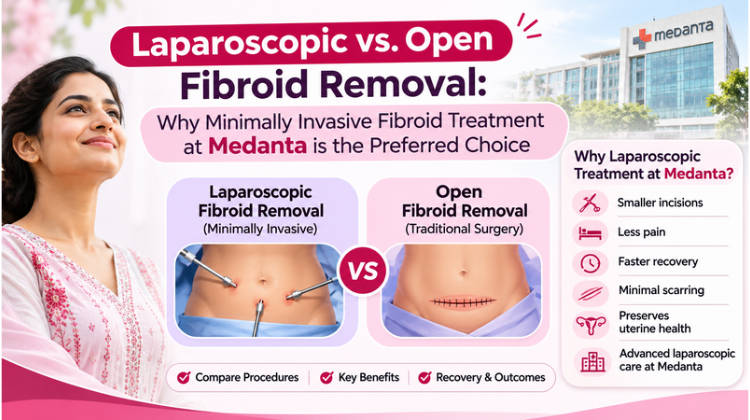
When conservative medical management fails to resolve symptoms or clear the path for conception, surgical removal (myomectomy) becomes necessary. Preserving fertility requires an approach that removes diseased tissue while minimizing trauma to healthy surrounding myometrium.
                 SURGICAL APPROACH FERTILITY COMPARISON
  ┌───────────────────────────────────────────────────────────────────┐
  │         MINIMALLY INVASIVE LAPAROSCOPIC MYOMECTOMY                │
  ├───────────────────────────────────┬───────────────────────────────┤
  │ Incision Trauma                   │ 3–4 Keyhole Ports (5–12 mm)   │
  │ Risk of Pelvic Adhesions          │ Exceptionally Low             │
  │ Intraoperative Blood Loss         │ Minimal (Magnified Control)   │
  │ Uterine Wall Healing              │ Precise Layered Reconstruction│
  │ Post-Op Conception Window         │ Typically 3–6 Months          │
  └───────────────────────────────────┴───────────────────────────────┘
                                   VS
  ┌───────────────────────────────────────────────────────────────────┐
  │                OPEN ABDOMINAL MYOMECTOMY (LAPAROTOMY)             │
  ├───────────────────────────────────┬───────────────────────────────┤
  │ Incision Trauma                   │ 4–7 Inch Abdominal Incision   │
  │ Risk of Pelvic Adhesions          │ Significantly Higher          │
  │ Intraoperative Blood Loss         │ Moderate to High              │
  │ Uterine Wall Healing              │ Manual Multi-Layer Suturing   │
  │ Post-Op Conception Window         │ Often Delayed (6+ Months)     │
  └───────────────────────────────────┴───────────────────────────────┘
Why Keyhole Myomectomy Preserves Reproductive Function
-
Dramatically Lower Adhesion Rates: Traditional open abdominal surgery exposes pelvic tissue to air and manual handling, increasing the risk of post-operative scar tissue (adhesions). These adhesions can bind the fallopian tubes and ovaries, causing secondary mechanical infertility. Keyhole techniques inside a closed abdominal cavity protect delicate pelvic tissues.
-
Magnified Surgical Precision: High-definition 3D visualization allows surgeons to identify the exact margin between the fibroid capsule and healthy muscle tissue, preserving viable myometrium.
-
Controlled Blood Loss: Minimally invasive techniques utilize advanced energy tools and micro-bipolar coagulation, maintaining clear visibility and preserving blood supply to healthy uterine tissue.
Technical Comparison Matrix: Surgical Impact on Future Pregnancy
| Clinical Parameter | Minimally Invasive Laparoscopic Myomectomy | Traditional Open Abdominal Myomectomy |
| Primary Incision Footprint | 3 to 4 keyhole ports (5–12 mm) | Single large incision (10–18 cm) |
| Risk of Fallopian Tube Adhesions | Exceptionally low due to closed cavity | Higher risk due to open tissue exposure |
| Micro-Visual Precision | High-Definition 3D magnification | Standard naked-eye / overhead light vision |
| Uterine Muscle Integrity Repair | Layered laparoscopic suture closure | Manual multi-layer suture closure |
| Hospital Stay Duration | 24 to 48 hours | 3 to 5 days |
| Post-Operative Recovery Period | 2 to 3 weeks | 6 to 8 weeks |
| Average Time to TTC (Trying to Conceive) | 3 to 6 months post-surgery | 6+ months post-surgery |
Why Minimally Invasive Laparoscopic Fibroid Removal at Medanta is the Preferred Choice
Choosing where to undergo myomectomy is a critical decision for any woman focused on future pregnancy. Choosing minimally invasive laparoscopic fibroid removal at Medanta provides patients with access to world-class medical infrastructure and specialized surgical protocols designed for fertility preservation.
               MEDANTA FERTILITY-PRESERVING CARE FRAMEWORK
 ┌─────────────────────────────────────────────────────────────────────┐
 │                PRECISION DIAGNOSIS & 3D MAPPING                     │
 │ High-resolution TVS & Pelvic MRI to map fibroids relative to cavity │
 └──────────────────────────────────┬──────────────────────────────────┘
                                    │
                                    ▼
 ┌─────────────────────────────────────────────────────────────────────┐
 │           ADVANCED KEYHOLE & ROBOTIC RECONSTRUCTION                 │
 │ 3D-HD Laparoscopy & Da Vinci Xi Robotic Systems for precise repair  │
 └──────────────────────────────────┬──────────────────────────────────┘
                                    │
                                    ▼
 ┌─────────────────────────────────────────────────────────────────────┐
 │             INTEGRATED POST-OPERATIVE CONCEPTION CARE               │
 │ Custom recovery tracking & coordinated fertility guidance           │
 └─────────────────────────────────────────────────────────────────────┘
1. Advanced Technological Infrastructure
Medanta – The Medicity features advanced surgical suites equipped with high-definition 3D laparoscopic towers and the Da Vinci Xi Surgical System. These systems allow surgeons to maneuver instruments with micro-precision, facilitating complete fibroid excision and robust multi-layer uterine reconstruction even in complex cases involving deep intramural fibroids.
2. Multi-Layer Uterine Wall Reconstruction
Extracting a fibroid creates a void (bed) in the uterine muscle wall. To ensure the uterus can safely stretch and support a growing fetus during pregnancy, this void must be meticulously closed in layers. At Medanta, surgical protocols emphasize continuous, tension-free, multi-layered suturing of the myometrium, ensuring maximum tensile strength for future gestation and labor.
3. Comprehensive Infertility and Gynaecology Integration
Medanta integrates advanced gynaecological surgery with specialized reproductive health care. Every treatment plan for minimally invasive laparoscopic fibroid removal at Medanta is tailored to the patient’s immediate health and long-term reproductive goals.
Step-by-Step Pathway for Minimally Invasive Laparoscopic Fibroid Removal at Medanta
                 PATIENT CARE AND RECOVERY ROADMAP
 ┌────────────────────────┐     ┌────────────────────────┐
 │        STAGE 1         │     │        STAGE 2         │
 │ Pre-Op 3D Mapping &    │ ──► │ Precision Keyhole      │
 │   Fertility Assessment │     │ Surgery & Reconstruction│
 └────────────────────────┘     └────────────────────────┘
                                             │
                                             ▼
 ┌────────────────────────┐     ┌────────────────────────┐
 │        STAGE 4         │     │        STAGE 3         │
 │ Clearance for Natural  │ ◄── │ Rapid 2-Week Recovery  │
 │ Conception / ART       │     │   & Healing Monitoring │
 └────────────────────────┘     └────────────────────────┘
Stage 1: Diagnostic Mapping and Surgical Planning
-
Comprehensive Pelvic Imaging: High-resolution transvaginal ultrasound (TVS) and pelvic MRI pinpoint the exact location, size, and depth of every fibroid relative to the endometrial lining.
-
Fertility Baseline Assessment: Evaluating uterine cavity contour and fallopian tube patency prior to surgery.
Stage 2: Precision Keyhole Removal and Uterine Closure
-
Keyhole ports (5 to 12 mm) are created under general anesthesia.
-
The surgeon carefully encapsulates and removes each fibroid while protecting healthy surrounding uterine tissue.
-
The uterine wall is reconstructed in multiple layers using specialized laparoscopic suturing techniques.
-
Extracted tissue is placed inside protective retrieval bags (endo-bags) and morcellated safely for removal through keyhole ports.
Stage 3: Rapid Post-Operative Recovery
-
Patients are mobilized within 12 to 24 hours to promote blood circulation and bowel recovery.
-
Most patients are discharged within 24 to 48 hours with personal post-operative guidance.
-
Full functional recovery is typically achieved within 2 to 3 weeks.
Stage 4: Post-Surgical Follow-Up and Family Planning
-
Ultrasound evaluation at 6 to 12 weeks assesses uterine muscle healing and endometrial cavity alignment.
-
Patients receive personalized clearance and timing recommendations for trying to conceive naturally or proceeding with assisted reproductive technology (ART) such as IVF.
Expert Spotlight: Dr. Preeti Rastogi
The outcome of keyhole fibroid surgery depends heavily on the skill and experience of the operating surgeon. Dr. Preeti Rastogi serves as the Director and Head of the Department of Obstetrics and Gynaecology at Medanta – The Medicity, Gurugram.
Facts & Professional Qualifications
-
25+ Years of Global Clinical Experience: Over two decades of specialized experience in obstetrics, gynaecology, and advanced minimal access surgery across the UK and India.
-
Over 10 Years of UK NHS Practice: Trained and worked for over a decade in the United Kingdom, holding consultant roles at prestigious institutions including the University Hospital of Wales, Cardiff, and Singleton Hospital, Swansea.
-
Certified Da Vinci Xi Robotic Surgeon: Holds formal board certification in robotic-assisted surgery, enabling high-precision minimally invasive removal of complex fibroids and deep pelvic lesions.
-
Extensive International Qualifications: Earned her MBBS from G.R. Medical College, Gwalior (1993), DNB in Obstetrics & Gynaecology from St. Stephen’s Hospital, Delhi (2000), and MRCOG from the Royal College of Obstetricians and Gynaecologist, London (2007).
-
Specialized UK Fellowships: Completed advanced clinical fellowships in Minimal Access Surgery, Urogynaecology, and High-Risk Obstetrics in the United Kingdom.
-
Promoter of Safe Motherhood Practices: Widely recognized for her clinical commitment to safe motherhood, fertility-preserving surgery, and supporting natural vaginal deliveries whenever clinically feasible.
-
Prestigious Professional Memberships: Active member of the Royal College of Obstetricians and Gynaecologists (RCOG), the American College of Obstetricians and Gynecologists (ACOG), the British Society of Urogynaecology (BSUG), and faculty for the North Zone AICC.
Dr. Rastogi’s extensive international training and dedicated focus on keyhole and robotic surgery ensure that patients seeking minimally invasive laparoscopic fibroid removal at Medanta receive expert, evidence-based medical care.
#Minimally Invasive Laparoscopic Fibroid Removal At Medanta #Fertility Preserving Fibroid Surgery #Dr Preeti Rastogi Gynaecologist #Best Gynecologist In Gurgaon #Laparoscopic Myomectomy Medanta #Uterine Fibroid Removal Gurgaon #Fibroids And Infertility #Submucosal Fibroid Removal #Intramural Myomectomy #Robotic Fibroid Surgery Medanta #DaVinci Xi Robotic Surgeon #Uterine Wall Reconstruction #Pelvic Adhesion Prevention #Myomectomy Recovery Time #Director Obs Gyn Medanta #MRCOG Gynecologist Gurgaon #UK Trained Gynecologist Gurgaon #Keyhole Fibroid Removal #Medanta The Medicity Gurgaon #Subserosal Fibroid Removal #Preserving Uterine Integrity #Trying To Conceive After Myomectomy #Gynecologist Sector 38 Gurgaon #High Risk Pregnancy Specialist #3D Laparoscopic Myomectomy #Heavy Menstrual Bleeding Treatment #Uterine Cavity Distortion #Safe Motherhood Practices #Advanced Gynaecological Surgery #Fibroid Morcellation Safety #Fertility Enhancing Gynae Surgery #Minimal Access Surgery Medanta
FAQ
Q1: How does minimally invasive laparoscopic fibroid removal at Medanta protect female fertility better than open surgery?
Answer: Minimally invasive laparoscopic fibroid removal at Medanta protects female fertility by using tiny keyhole ports (5–12 mm) rather than a large abdominal incision. This precision approach drastically reduces intraoperative tissue handling and prevents air exposure, minimizing the risk of pelvic scar tissue (adhesions) around the fallopian tubes and ovaries. Furthermore, 3D-HD magnification enables surgeons to remove fibroid tissue cleanly while performing multi-layer uterine muscle suturing, preserving the structural integrity of the uterus for future pregnancies. Preserving Fertility with Minimally Invasive Laparoscopic Fibroid Removal at Medanta
Q2: Why is Dr. Preeti Rastogi considered one of the best gynecologists in Gurgaon for fertility-preserving fibroid removal?
Answer: Dr. Preeti Rastogi, Director & HOD of Obstetrics and Gynaecology at Medanta – The Medicity, Gurugram, brings over 25 years of clinical experience across India and the UK. She spent over 10 years working within NHS hospitals in Wales (including the University Hospital of Wales, Cardiff) and holds MRCOG (London) along with specialized UK Fellowships in Minimal Access Surgery and Urogynaecology. As a certified Da Vinci Xi Robotic Surgeon, her expertise in precise uterine reconstruction makes her a top specialist for complex myomectomies in women who wish to conceive. Preserving Fertility with Minimally Invasive Laparoscopic Fibroid Removal at Medanta
Q3: How soon after laparoscopic fibroid removal at Medanta can a woman try to conceive?
Answer: Most women undergoing minimally invasive laparoscopic fibroid removal at Medanta can begin trying to conceive naturally or proceed with assisted reproductive treatments (such as IVF) within 3 to 6 months post-surgery. This waiting period allows the multi-layered uterine muscle suture line to heal completely, ensuring optimal structural strength during pregnancy. Individual timelines are tailored based on post-operative ultrasound evaluations.Preserving Fertility with Minimally Invasive Laparoscopic Fibroid Removal at Medanta
Q4: Can large intramural fibroids distorting the uterine cavity be removed laparoscopically without hysterectomy?
Answer: Yes. With advanced 3D laparoscopic instrumentation and robotic systems like the Da Vinci Xi at Medanta, even large, deep intramural fibroids distorting the uterine cavity can be safely removed while leaving the uterus fully intact. Expert keyhole surgeons precisely encapsulate the fibroid, protect healthy surrounding myometrium, and reconstruct the uterine wall in multiple layers to restore normal anatomy and function. Preserving Fertility with Minimally Invasive Laparoscopic Fibroid Removal at Medanta
Q5: What is the recovery time and hospital stay for minimally invasive laparoscopic fibroid removal at Medanta?
Answer: Patients receiving minimally invasive laparoscopic fibroid removal at Medanta typically stay in the hospital for 24 to 48 hours. Because keyhole incisions cause minimal muscle disruption, post-operative pain is low, and early walking is encouraged within 12 to 24 hours. Most patients return to light activities and remote work within 7 to 10 days, achieving complete functional recovery in 2 to 3 weeks—compared to 6 to 8 weeks for open abdominal surgery. Preserving Fertility with Minimally Invasive Laparoscopic Fibroid Removal at Medanta