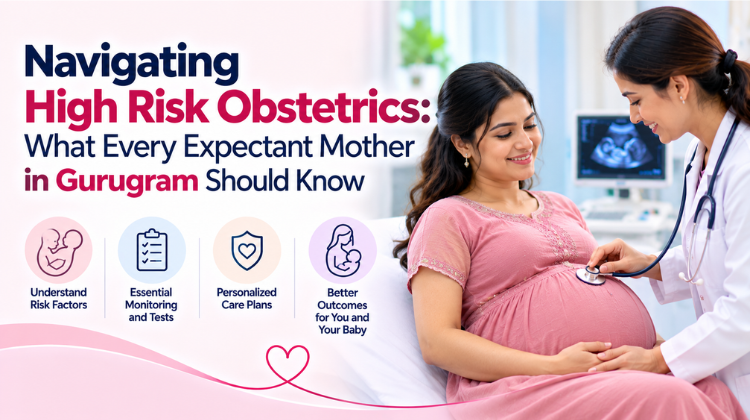
Navigating High Risk Obstetrics: What Every Expectant Mother in Gurugram Should Know
Pregnancy is a transformative journey filled with anticipation, joyful milestones, and profound physical changes. While most pregnancies proceed without major complications, some require specialized medical intervention due to underlying maternal health conditions, fetal concerns, or pregnancy-induced disorders. In the field of maternal-fetal medicine, this specialized domain is known as High Risk Obstetrics.
For expectant mothers living in a fast-paced urban center like Gurugram, understanding High Risk Obstetrics is essential for ensuring both maternal and neonatal safety. With advanced diagnostic tools, multi-specialty hospital infrastructure, and expert clinical leadership available in Millennium City, navigating a complex pregnancy no longer has to be an overwhelming experience.
This comprehensive guide breaks down what constitutes a high-risk pregnancy, the crucial role of maternal-fetal specialists, key diagnostic protocols, and how consulting leading experts like Dr. Preeti Rastogi, widely recognized as the best gynecologist in Gurugram, helps deliver safe outcomes for mothers and infants alike.
What is High Risk Obstetrics? Defining Complex Maternal Care
To navigate complex pregnancies successfully, expectant families must understand the fundamental scope of High Risk Obstetrics. Unlike routine prenatal care—which focuses on standard health monitoring, routine blood panels, and basic fetal ultrasounds—High Risk Obstetrics is a subspecialty dedicated to managing pregnancies where the mother, the baby, or both face an increased risk of health complications before, during, or after delivery.
                     +---------------------------------------+
                     |        HIGH RISK OBSTETRICS           |
                     |      Core Clinical Categories         |
                     +---------------------------------------+
                                         |
     +-------------------+---------------+---------------+-------------------+
     |                   |                               |                   |
     v                   v                               v                   v
+------------+   +---------------+               +---------------+   +---------------+
| Maternal   |   | Pregnancy-    |               | Fetal         |   | Lifestyle &   |
| Pre-Existing|  | Induced       |               | Anomalies &   |   | Structural    |
| Conditions |   | Disorders     |               | Growth Limits |   | Factors       |
| (Diabetes, |   | (Preeclampsia,|               | (IUGR, Twin   |   | (Age 35+,     |
| Hypertension|  | GDM, Accreta) |               | Transfusion)  |   | Multiples)    |
+------------+   +---------------+               +---------------+   +---------------+
A pregnancy may be categorized under High Risk Obstetrics due to factors that exist prior to conception or issues that emerge unexpectedly as gestation progresses:
-
Pre-Existing Maternal Medical Conditions: Chronic conditions such as pre-gestational diabetes, essential hypertension, kidney disease, thyroid dysfunction, autoimmune disorders (like lupus), and heart conditions require specialized medical protocols during pregnancy.
-
Pregnancy-Induced Medical Complications: Conditions that develop specifically during gestation—including gestational diabetes mellitus (GDM), preeclampsia (pregnancy-induced high blood pressure), eclampsia, cervical incompetence, and placental disorders like placenta previa or placenta accreta—fall under High Risk Obstetrics management.
-
Fetal Complications: Intrauterine growth restriction (IUGR), congenital structural anomalies, fetal distress, Rh incompatibility, and chromosomal variations demand close maternal-fetal surveillance.
-
Multiple Gestations & Advanced Maternal Age: Expectant mothers carrying twins, triplets, or higher-order multiples, as well as women aged 35 and older (advanced maternal age), face higher statistical risks of preterm labor, low birth weight, and gestational hypertension.
Why Urban Lifestyle Factors in Gurugram Increase High-Risk Factors
Living and working in a major corporate and industrial hub like Gurugram introduces unique lifestyle variables that can elevate maternal health risks. Understanding these localized factors allows women to take proactive steps early in their pregnancy.
+-----------------------------------------------------------------------------------+
|                  URBAN LIFESTYLE CONTRIBUTORS TO HIGH-RISK PREGNANCY              |
|                                                                                   |
|  +--------------------+     +-----------------------+     +--------------------+  |
|  | Corporate Stress   | --> | Delayed Childbearing  | --> | Metabolic Changes  |  |
|  | Sedentary Work,    |     | Pregnancies at Age    |     | Higher Rates of    |  |
|  | High Workload      |     | 30, 35, and Beyond    |     | PCOS, GDM, & PET   |  |
|  +--------------------+     +-----------------------+     +--------------------+  |
+-----------------------------------------------------------------------------------+
-
Delayed Family Planning: Corporate careers and extended education often lead couples in Gurugram to plan families in their 30s or early 40s. While advanced reproductive medicine makes this seamless, maternal age above 35 naturally elevates the incidence of gestational diabetes, chromosomal conditions, and hypertensive disorders.
-
High-Stress Work Environments & Sedentary Routines: Long office hours, extended computer usage, and high daily stress levels can trigger hormonal imbalances, pre-existing hypertension, and weight fluctuations, all of which require careful monitoring under High Risk Obstetrics protocols.
-
Metabolic & Hormonal Trends: Polycystic Ovary Syndrome (PCOS), thyroid imbalance, and insulin resistance are increasingly common among urban women. When conception occurs, these baseline metabolic factors require specialized care to prevent gestational diabetes and fetal growth restriction.
Core Diagnostics and Surveillance in High Risk Obstetrics
When managing a complex pregnancy, specialized maternal-fetal care relies on advanced diagnostic tools to monitor fetal development and maternal organ health in real time.
+-----------------------------------------------------------------------------------+
|                   HIGH RISK OBSTETRICS DIAGNOSTIC FRAMEWORK                       |
|                                                                                   |
|  [ STAGE 1: EARLY SCREENING ] --> [ STAGE 2: ADVANCED IMAGING ] --> [ STAGE 3: CONTINUOUS MONITOR ]
|  • NIPT & Genetic Panels       • Targeted Anomaly Scans       • Biophysical Profiles (BPP)
|  • HbA1c & Baseline Panels     • Doppler Ultrasonography      • Non-Stress Testing (NST)
+-----------------------------------------------------------------------------------+
1. High-Resolution Targeted Anomaly Scans (Level-II Scans)
Performed between 18 and 22 weeks of gestation, detailed targeted scans evaluate the structural integrity of the fetus, including the brain, heart, spine, kidneys, limbs, and facial structures.
2. Doppler Ultrasonography
Color Doppler scans assess blood flow dynamics through the umbilical artery, uterine arteries, and fetal middle cerebral artery. This diagnostic is crucial in High Risk Obstetrics for detecting placental insufficiency, preeclampsia risks, and intrauterine growth restriction (IUGR) early.
3. Non-Invasive Prenatal Testing (NIPT) & Amniocentesis
NIPT analyzes cell-free fetal DNA circulating in maternal blood to screen for chromosomal variations (such as Down Syndrome, Trisomy 18, and Trisomy 13) with high accuracy. When screening indicates potential concerns, amniocentesis provides definitive diagnostic confirmation.
4. Continuous Non-Stress Testing (NST) and Biophysical Profiling (BPP)
During the third trimester, NST monitors the fetal heart rate pattern in response to movement, while BPP combines ultrasound measurements of fetal breathing, muscle tone, movement, and amniotic fluid levels to verify fetal oxygenation.
Comparing Care Models: Routine Prenatal Care vs. High Risk Obstetrics
Understanding the differences between standard prenatal monitoring and specialized High Risk Obstetrics helps expectant mothers make informed decisions regarding their care team and hospital choices:
| Clinical Parameter | Routine Prenatal Care | High Risk Obstetrics Care |
| Primary Clinical Focus | Standard physiological tracking and normal labor preparation. | Specialized medical management of maternal/fetal risks and complications. |
| Visit Frequency | Monthly until week 28, bi-weekly to week 36, then weekly. | Customized frequent visits (weekly or semi-weekly) based on medical stability. |
| Diagnostic Toolkit | Basic ultrasound scans, routine blood glucose, and urine tests. | Advanced Doppler scans, Level-II anomaly scans, NIPT, and fetal echocardiography. |
| Care Team Structure | General Obstetrician, nursing staff, and birth educators. | Maternal-fetal specialist, endocrinologist, cardiologist, and neonatologist. |
| Hospital Facility Needs | Basic maternity ward and standard labor delivery room. | Tertiary-care hospital with Level-III NICU, ICU backup, and 24/7 blood bank. |
Choosing the Best Gynecologist in Gurugram: Why Dr. Preeti Rastogi Leads High Risk Obstetrics
Selecting the right specialist is the most important decision an expectant mother facing a complex pregnancy can make. Dr. Preeti Rastogi is widely recognized as the best gynecologist in Gurugram, bringing exceptional credentials, international training, and empathetic care to complex maternal health.
Facts About Dr. Preeti Rastogi
-
Current Post & Leadership: Serves as Director and Head of Department (HOD) in Obstetrics and Gynaecology at Medanta – The Medicity, Gurugram.
-
Decades of Clinical Expertise: Possesses over 25 years of extensive medical and surgical experience in obstetrics and gynecology across premier tertiary care hospitals in the United Kingdom and India.
-
Academic Qualifications: Earned her MBBS from G.R. Medical College (Gwalior), DNB in Obstetrics and Gynaecology from St. Stephen’s Hospital (Delhi), and earned the prestigious MRCOG fellowship from the Royal College of Obstetricians and Gynaecologists, London, UK.
-
UK NHS Background: Spent more than 10 years practicing in the UK’s National Health Service (NHS), completing key assignments at premier medical centers including the University Hospital of Wales (Cardiff) and Singleton Hospital (Swansea).
-
Robotic Surgical Pioneer: Certified Da Vinci Xi Robotic Surgeon, specializing in advanced minimal access gynecological surgeries and complex pelvic procedures.
-
Safe Motherhood Advocate: A passionate advocate for safe motherhood, actively promoting normal vaginal delivery whenever clinically safe while maintaining zero-compromise emergency protocols for high-risk situations.
Dr. Preeti Rastogi’s Clinical Approach to Complex Pregnancies
Dr. Preeti Rastogi integrates evidence-based international clinical protocols (RCOG and ACOG) with a compassionate, patient-centered approach. She creates tailored monitoring plans for conditions like twin births, gestational diabetes, and recurrent miscarriages, giving mothers clear guidance and reassurance at every stage of pregnancy.
Critical Conditions Managed Under High Risk Obstetrics
Specialized maternal-fetal care provides structured, evidence-based solutions for managing complex medical conditions during pregnancy:
                    +------------------------------------+
                    |  HIGH-RISK CLINICAL MANAGEMENT     |
                    +------------------------------------+
                                      |
         +----------------------------+----------------------------+
         |                            |                            |
         v                            v                            v
+------------------+        +------------------+        +------------------+
| Metabolic &      |        | Hypertensive &   |        | Placental &      |
| Endocrine        |        | Vascular         |        | Cervical         |
| (GDM, Thyroid)   |        | (Preeclampsia)   |        | (Previa, Cerclage|
+------------------+        +------------------+        +------------------+
1. Gestational Diabetes Mellitus (GDM)
When blood sugar levels rise during pregnancy, improper management can lead to fetal macrosomia (excessive birth weight), birth trauma, neonatal hypoglycemia, and higher rates of C-sections. Under High Risk Obstetrics care, blood glucose is stabilized through customized dietary plans, lifestyle adjustments, insulin therapy when needed, and frequent growth scans.
2. Preeclampsia and Gestational Hypertension
Preeclampsia is marked by high blood pressure and protein in the urine, which can restrict blood flow to the placenta and affect maternal organ function. Specialized management involves prophylactic aspirin therapy where appropriate, blood pressure control, uterine artery Doppler tracking, and strategic delivery timing.
3. Recurrent Miscarriages and Incompetent Cervix
Women with a history of recurrent pregnancy loss or cervical shortening benefit from early interventions, such as elective or emergency cervical cerclage placement, progesterone support, and close monitoring of cervical length.
4. Multiple Gestations (Twins & Triplets)
Carrying multiple fetuses increases the likelihood of preterm labor, preeclampsia, and twin-to-twin transfusion syndrome (TTTS) in monochorionic twins. High Risk Obstetrics protocols provide bi-weekly ultrasound tracking to support optimal fetal development.
Essential Steps for Expectant Mothers Navigating High Risk Obstetrics
If your pregnancy is classified as high risk, taking structured, proactive steps can help ensure a safe experience for both you and your baby:
-
Seek Early Specialized Consultation: Schedule an initial maternal-fetal assessment as soon as high-risk factors or pre-existing medical conditions are identified.
-
Choose a Equipped Tertiary-Care Hospital: Select a hospital with a Level-III Neonatal Intensive Care Unit (NICU), adult ICU facilities, an active blood bank, and 24/7 emergency surgical availability.
-
Maintain a Detailed Health Log: Track daily blood pressure readings, blood glucose levels (if diagnosed with GDM), fetal kick counts, and any unusual symptoms.
-
Follow Recommended Diagnostic Schedules: Attend all scheduled Doppler scans, anomaly ultrasounds, blood tests, and non-stress tests without delay.
-
Prepare an Emergency Delivery Plan: Work with your doctor to outline a clear delivery plan that accounts for both planned normal delivery and emergency interventions if medically necessary.
Conclusion
Navigating High Risk Obstetrics requires expert medical management, advanced hospital infrastructure, and personal empathy. By recognizing high-risk factors early, maintaining regular diagnostic tracking, and working with a dedicated care team, expectant mothers in Gurugram can approach pregnancy with confidence.
With over 25 years of international medical experience, advanced robotic surgical expertise, and a patient-first commitment to safe motherhood, Dr. Preeti Rastogi remains a trusted partner for guiding mothers and babies safely through complex pregnancies.
Also Read: Top High Risk Obstetrics Specialists in Gurugram: Essential Care for Complex Pregnancies
#High Risk Obstetrics #Dr Preeti Rastogi #Best Gynecologist In Gurgaon #High Risk Pregnancy Care #Maternal Fetal Medicine #Medanta Gurgaon #Gestational Diabetes Care #Preeclampsia Management #Twin Pregnancy Specialist #Recurrent Miscarriage Treatment #MRCO Gynecologist #Robotic Gynaecology Surgeon #Da Vinci Xi Surgeon #Safe Motherhood Practices #Normal Vaginal Delivery #Fetal Medicine Gurugram #Level 3 NICU Gurgaon #Complex Pregnancy Care #Prenatal Care Gurgaon #Advanced Fetal Diagnostics #Doppler Scan Pregnancy #High Risk Delivery Specialist #Women Health Gurgaon #PCOS And Pregnancy #Cervical Cerclage #Preterm Labor Prevention #Gurgaon Maternity Hospital #Top Obstetrician Gurgaon #Pregnancy Care Expert #Maternal Health Gurugram
FAQ
Q1: What makes a pregnancy high risk, and when should I consult a High Risk Obstetrics specialist in Gurugram?
Answer: A pregnancy is classified as high risk when medical conditions affect the health of the mother, baby, or both. You should seek care in High Risk Obstetrics if you have pre-existing conditions (like diabetes, hypertension, or thyroid disorders), pregnancy-induced issues (such as preeclampsia or gestational diabetes), multiple gestations (twins/triplets), advanced maternal age (35+), or a history of recurrent miscarriages.
Q2: Why is Dr. Preeti Rastogi considered the best gynecologist in Gurugram for managing High Risk Obstetrics?
Answer: Dr. Preeti Rastogi is widely recognized as the best gynecologist in Gurugram due to her 25+ years of clinical experience, including over 10 years in the UK NHS. As Director & HOD of Obstetrics and Gynaecology at Medanta – The Medicity, she holds MRCOG (UK) credentials and certification in Da Vinci Xi Robotic Surgery. Her expertise in managing gestational diabetes, preeclampsia, twin births, and complex deliveries—along with her dedication to safe motherhood and normal vaginal delivery—makes her a leading specialist in maternal-fetal care.
Q3: Can a woman categorized under High Risk Obstetrics still have a normal vaginal delivery?
Answer: Yes. Being classified as a high-risk pregnancy does not mean a C-section is mandatory. Under the guidance of experienced experts in High Risk Obstetrics like Dr. Preeti Rastogi, many women achieve a safe normal vaginal delivery. Continuous intrapartum monitoring, blood pressure regulation, and controlled labor management help protect mother and child throughout childbirth.
Q4: What diagnostic scans are essential during a high-risk pregnancy?
Answer: Key diagnostic procedures in High Risk Pregnancy include:
-
High-resolution Level-II targeted anomaly scans to check structural development.
-
Color Doppler ultrasonography to evaluate placental and fetal blood flow.
-
Non-Invasive Prenatal Testing (NIPT) and amniocentesis for genetic screening.
-
Non-Stress Tests (NST) and Biophysical Profiles (BPP) to monitor third-trimester fetal oxygenation and heart rate.
Q5: How does Medanta – The Medicity in Gurugram support high-risk maternal-fetal care?
Answer: Medanta – The Medicity provides complete tertiary-care infrastructure under the clinical leadership of experts like Dr. Preeti Rastogi. The hospital features a Level-III Neonatal Intensive Care Unit (NICU), adult intensive care units (ICU), 24/7 blood bank availability, and immediate multi-specialty support (endocrinology, cardiology, nephrology), ensuring comprehensive emergency care for mothers and newborns.