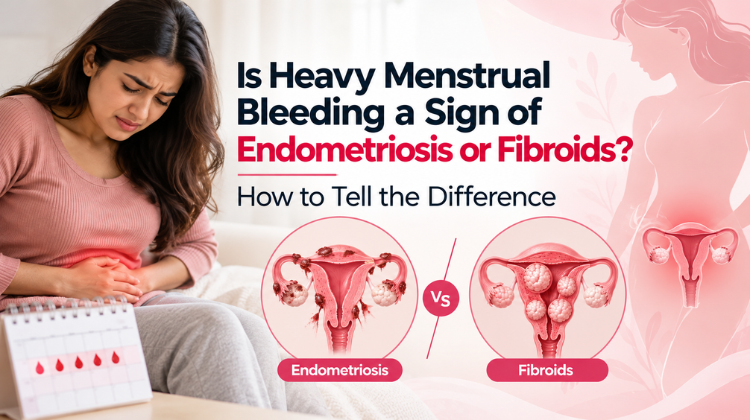
Is Heavy Menstrual Bleeding a Sign of Endometriosis or Fibroids? How to Tell the Difference
Every month, millions of women quietly endure periods that leave them exhausted, anxious, and confined to their homes. Soaking through double pads every hour, passing large blood clots, or experiencing crippling pelvic pain during menstruation is far from normal. When symptoms become this severe, two underlying gynecological conditions top the list of potential causes: uterine fibroids and endometriosis.
Because both conditions are driven by female reproductive hormones and affect the pelvic organ systems, their symptoms frequently overlap. This leads many women to wonder: Is heavy menstrual bleeding a sign of endometriosis or fibroids?
While both conditions can severely disrupt your quality of life, they originate in entirely different tissue layers, produce distinct symptom patterns, and require tailored medical and surgical strategies. Understanding whether your heavy menstrual bleeding a sign of endometriosis or fibroids is the key to seeking accurate medical care, preserving your fertility, and regaining control of your life.
In this comprehensive guide, we will unpack the physiological differences between these conditions, analyze their hallmark symptoms, compare diagnostic pathways, and explore modern treatment protocols.
Understanding the Basics: Fibroids vs. Endometriosis
To understand how these conditions cause heavy bleeding and pelvic distress, we must first look at where and how they grow inside the female body.
                     FEMALE PELVIC ANATOMY & CONDITIONS
                                     |
         +---------------------------+---------------------------+
         |                                                       |
         v                                                       v
+-----------------------------------+   +-----------------------------------+
|         UTERINE FIBROIDS          |   |           ENDOMETRIOSIS           |
+-----------------------------------+   +-----------------------------------+
| * Benign smooth muscle tumors     |   | * Endometrial-like tissue growing |
| * Located IN or ON the uterus     |   |   OUTSIDE the uterine cavity      |
| * Alters uterine contractility    |   | * Affects ovaries, tubes, pelvis  |
| * Causes structural enlargement   |   | * Triggers severe inflammation    |
+-----------------------------------+   +-----------------------------------+
What Are Uterine Fibroids?
Uterine fibroids (also known as leiomyomas or myomas) are non-cancerous muscular tumors that develop within the walls of the uterus. They consist of dense smooth muscle cells and fibrous connective tissue. Fibroids can range in size from tiny seedlings to massive tumors weighing several pounds that distort the entire abdominal contour.
Fibroids are classified by their location:
-
Submucosal Fibroids: Grow just beneath the inner lining of the uterine cavity, bulging inward.
-
Intramural Fibroids: Embed entirely within the thick muscular wall of the uterus.
-
Subserosal Fibroids: Project outward onto the exterior surface of the uterine wall into the pelvic space.
What Is Endometriosis?
Endometriosis is a chronic, inflammatory condition in which tissue similar to the lining of the uterus (the endometrium) grows outside the uterine cavity. These extrauterine implants commonly settle on the ovaries (forming endometriomas or “chocolate cysts”), fallopian tubes, outer uterine surface, uterosacral ligaments, bladder, and bowel.
During each menstrual cycle, these ectopic tissue implants respond to hormonal fluctuations—thickening, breaking down, and bleeding just as the uterine lining does inside the organ. However, unlike normal menstrual blood that exits through the vagina, this blood has no pathway to escape. Trapped blood triggers intense, localized inflammation, scarring, and dense internal fibrous bands (adhesions) that can glue pelvic organs together. Is Heavy Menstrual Bleeding a Sign of Endometriosis or Fibroids? How to Tell the Difference
Is Heavy Menstrual Bleeding a Sign of Endometriosis or Fibroids?
When addressing whether heavy menstrual bleeding a sign of endometriosis or fibroids, the medical short answer is: It is a primary, classic symptom of uterine fibroids, but it can also occur alongside endometriosis.
While both conditions involve menstrual disruption, the biological mechanisms causing the bleeding differ fundamentally:
How Fibroids Cause Heavy Bleeding
Fibroids are the leading structural cause of heavy menstrual bleeding (menorrhagia). They increase menstrual blood loss through several direct physiological pathways:
-
Increased Endometrial Surface Area: As submucosal and intramural fibroids enlarge, they stretch the uterine cavity, significantly expanding the total surface area of the bleeding lining.
-
Impaired Uterine Contraction: The myometrium (uterine muscle) normally contracts during menstruation to constrict local blood vessels and stop active bleeding. Rigid fibroid tumors hinder normal muscular squeezing, leading to continuous, uncontrolled blood flow.
-
Abnormal Vessel Architecture: Fibroids stimulate the growth of dense, fragile, hyper-vascular blood vessel networks over their surface. These delicate vessels rupture easily during period shedding, causing flooding and large blood clots.
How Endometriosis Causes Bleeding Irregularities
While the classic hallmark of endometriosis is severe, debilitating pain, many affected women also experience abnormal bleeding patterns. In cases where heavy menstrual bleeding a sign of endometriosis or fibroids points toward endometriosis, the bleeding is often driven by:
-
Hormonal Imbalances & Anovulation: Estrogen dominance and progesterone resistance associated with endometriosis can cause irregular endometrial shedding, leading to unpredictable, heavy flow or spotting between cycles.
-
Pro-Inflammatory Vascular Hyperemia: Widespread pelvic inflammation increases blood flow to the reproductive tract, which can intensify overall menstrual volume.
-
Co-existing Adenomyosis: In up to 40% of cases, women with endometriosis also suffer from adenomyosis—a condition where endometrial tissue grows directly into the uterine muscle wall, causing severe cramping and heavy bleeding. Is Heavy Menstrual Bleeding a Sign of Endometriosis or Fibroids? How to Tell the Difference
Key Differences: How to Tell the Difference Between Fibroids and Endometriosis
To determine whether your heavy menstrual bleeding a sign of endometriosis or fibroids, it helps to closely analyze the nature of your pain, bleeding features, and accompanying symptoms.
| Symptom / Feature | Uterine Fibroids | Endometriosis |
| Primary Symptom | Heavy flow, large blood clots, prolonged periods | Sharp, stabbing, or burning pelvic pain |
| Nature of Pain | Dull pressure, fullness, heaviness in pelvis | Severe cramping, cyclic or non-cyclic, chronic |
| Pain Beyond Menstruation | Discomfort linked to structural bulk/pressure | Pain during sex, ovulation, urination, or bowel movements |
| Bleeding Profile | Excessively heavy, prolonged periods, soaking pads | Variable flow, heavy or light, pre-menstrual spotting |
| Abdominal Profile | Visible lower belly bulge or enlarged abdomen | “Endo belly” (severe inflammatory bloating) |
| Bladder/Bowel Signs | Frequent urination from bladder compression | Painful bowel movements/urination during period |
| Detection Method | Clearly visible on standard Pelvic Ultrasound | Requires MRI or Laparoscopic visualization |
1. Pain Profile: Pressure vs. Inflammation
-
Fibroid Pain: Pain associated with fibroids is usually structural. Women often describe a constant, heavy dragging sensation in their lower abdomen or back, similar to carrying a weight. Sharp pain typically occurs only if a fibroid outgrows its blood supply (degeneration).
-
Endometriosis Pain: The pain is inflammatory, sharp, and often disabling. It typically starts several days before a period and peaks during flow. Deep, painful intercourse (dyspareunia) and sharp, knife-like pain during bowel movements or urination while on your period are strong indicators of endometriosis.
2. Bleeding Characteristics: Volume vs. Timing
-
Fibroid Bleeding: Characterized by shear volume. Periods may last longer than 7 to 10 days, accompanied by frequent passage of blood clots the size of coins or larger. Chronic blood loss frequently leads to iron-deficiency anemia, causing severe fatigue, dizziness, and shortness of breath.
-
Endometriosis Bleeding: Flow may be heavy, but it is often characterized by timing disruptions—such as dark brown spotting several days before a period starts or unpredictable light bleeding between cycles.
Can You Have Both Fibroids and Endometriosis at the Same Time?
Yes. It is relatively common for a woman to be diagnosed with both conditions simultaneously. Because both uterine fibroids and endometriosis are estrogen-dependent disorders that thrive during a woman’s reproductive years, their biological pathways frequently intersect.
When a patient has both conditions, evaluating whether heavy menstrual bleeding a sign of endometriosis or fibroids requires detailed diagnostic evaluation. In these dual-diagnosis cases, fibroids are usually responsible for the excessive blood loss and pelvic heaviness, while endometriosis drives deep, persistent pain, pelvic adhesions, and fertility complications. Is Heavy Menstrual Bleeding a Sign of Endometriosis or Fibroids? How to Tell the Difference
How Gynecologists Differentiate and Diagnose the Source of Bleeding
Because symptom profiles can overlap, accurate clinical testing is essential to confirm whether heavy menstrual bleeding a sign of endometriosis or fibroids:
-
Pelvic Ultrasound (Transvaginal & Abdominal): Ultrasound is the primary imaging technique for evaluating heavy bleeding. It reliably detects uterine fibroids, measuring their size, number, and location within the uterine walls. Ultrasound can also identify ovarian endometriomas (“chocolate cysts”).
-
Pelvic Magnetic Resonance Imaging (MRI): MRI provides detailed, multi-planar images of the soft tissues of the pelvis. It helps distinguish intramural fibroids from adenomyosis and can identify deep infiltrating endometriosis (DIE) spots on the uterosacral ligaments, bladder, or bowel.
-
Saline Infusion Sonogram (SIS) / Hysteroscopy: By infusing saline into the uterine cavity, gynecologists can check if fibroids are encroaching on the endometrial space. Hysteroscopy allows direct visualization of the inner lining.
-
Diagnostic Laparoscopy (Gold Standard for Endometriosis): While fibroids are easy to spot on ultrasound, superficial peritoneal endometriosis implants often evade standard imaging. Diagnostic laparoscopy—a minimally invasive keyhole procedure—allows direct visual inspection of the pelvic cavity and histopathological verification through tissue biopsy. Is Heavy Menstrual Bleeding a Sign of Endometriosis or Fibroids? How to Tell the Difference
Modern Treatment Strategies: Restoring Quality of Life
Once an accurate diagnosis clarifies whether heavy menstrual bleeding a sign of endometriosis or fibroids, a personalized treatment plan can be established based on your age, symptom severity, and reproductive goals.
Managing Uterine Fibroids
-
Medical Management: Hormonal intrauterine devices (IUDs), oral contraceptives, tranexamic acid, and GnRH receptor antagonists can reduce blood flow and manage heavy bleeding.
-
Uterine-Preserving Surgery (Myomectomy): Removal of fibroids via hysteroscopic, laparoscopic, or robotic techniques preserves the uterus for women who plan to conceive in the future.
-
Non-Surgical Procedures: Uterine Fibroid Embolization (UFE) cuts off blood supply to shrink fibroids for women who have completed childbearing.
-
Definitive Surgical Care (Hysterectomy): Surgical removal of the uterus provides a permanent cure for heavy bleeding caused by fibroids in women who do not desire future pregnancies.
Managing Endometriosis
-
Medical Therapy: Non-steroidal anti-inflammatory drugs (NSAIDs) reduce pain, while hormonal suppression (continuous birth control, progestins, or GnRH agonists) stops cyclic ovulation to suppress tissue growth.
-
Laparoscopic Excision Surgery: Excision (cutting out) of endometriosis lesions is the gold standard surgical approach. Removing root-level inflammatory tissue offers long-term pain relief and restores pelvic anatomy for improved fertility. Is Heavy Menstrual Bleeding a Sign of Endometriosis or Fibroids? How to Tell the Difference
When to Consult a Specialized Gynecologist
You should seek medical evaluation if you experience any of the following warning signs:
-
Soaking through one or more sanitary pads or tampons every hour for several consecutive hours.
-
Passing blood clots larger than a quarter during your period.
-
Menstrual pain that causes you to miss work, school, or daily activities despite taking over-the-counter pain medication.
-
Pain during sexual intercourse, bowel movements, or urination.
-
Chronic pelvic pressure, lower back pain, or unexplained abdominal bloating.
-
Difficulty conceiving after 6 to 12 months of unprotected intercourse.
Getting an accurate early diagnosis prevents complications like severe anemia, progressive scar tissue formation, and preventable fertility declines.
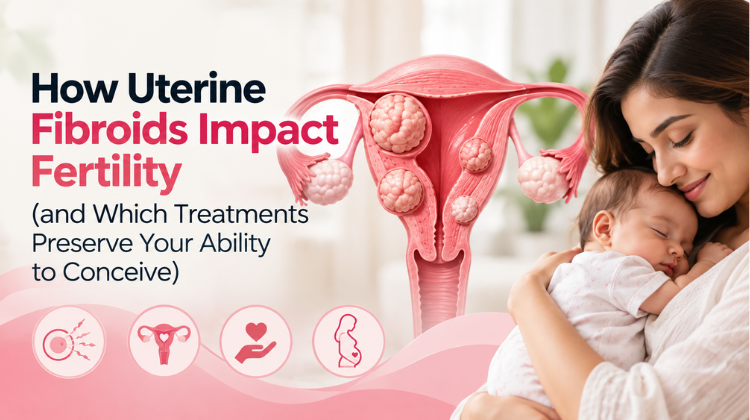
Also Read: How Uterine Fibroids Impact Fertility (and Which Treatments Preserve Your Ability to Conceive)
#Heavy Menstrual Bleeding #Endometriosis Vs Fibroids #Uterine Fibroids Symptoms #Endometriosis Pain #Heavy Period Causes #Menorrhagia Treatment #Pelvic Pain Relief #Fibroid Removal #Laparoscopic Excision #Robotic Myomectomy #Abnormal Uterine Bleeding #Menstrual Health #Endo Belly #Period Clots #Anemia From Heavy Periods #Fertility Preservation #Minimal Access Surgery #Gynecological Health #Pelvic Ultrasound #Pelvic MRI #Dysmenorrhea #Dyspareunia #Uterine Health #Women Health Care #Medanta Gynecology #Dr Preeti Rastogi #Best Gynecologist In India #Gynecologist In Gurgaon #Da Vinci Robotic Surgery #Adenomyosis And Endo #Fertility Specialist India
FAQ
Q1: Is heavy menstrual bleeding a sign of endometriosis or fibroids, and how do doctors confirm which one I have?
Answer: Heavy menstrual bleeding is a classic primary symptom of uterine fibroids, but it can also occur in women with endometriosis (especially when co-existing with adenomyosis). Fibroids cause heavy bleeding by expanding the uterine lining surface area and preventing normal muscle contraction, while endometriosis causes severe cyclic pain through extrauterine tissue inflammation. Doctors differentiate between them using pelvic ultrasounds, pelvic MRIs, and diagnostic laparoscopy to confirm the exact source of your bleeding. Is Heavy Menstrual Bleeding a Sign of Endometriosis or Fibroids? How to Tell the Difference
Q2: What is the main difference in pain between endometriosis and uterine fibroids?
Answer: The primary difference lies in the nature and timing of the pain. Fibroid pain is typically characterized by persistent pelvic pressure, lower back aching, and heavy abdominal fullness caused by the physical size of the muscle tumors. In contrast, endometriosis pain is sharp, burning, and intensely cyclic, often causing severe menstrual cramps, deep pain during sexual intercourse, and painful bowel movements or urination during periods. Is Heavy Menstrual Bleeding a Sign of Endometriosis or Fibroids? How to Tell the Difference
Q3: Can fibroids and endometriosis both cause anemia and severe fatigue?
Answer: Yes, both conditions can lead to fatigue, but through different biological mechanisms. Fibroids frequently cause iron-deficiency anemia directly through continuous, excessive menstrual blood loss and heavy clot passage, resulting in fatigue, pale skin, and weakness. Endometriosis causes fatigue primarily through chronic systemic inflammation, persistent pain, interrupted sleep, and the immune system’s constant response to trapped internal bleeding. Is Heavy Menstrual Bleeding a Sign of Endometriosis or Fibroids? How to Tell the Difference
Q4: Why is Dr. Preeti Rastogi considered one of the best gynecologists in India for treating heavy menstrual bleeding, fibroids, and endometriosis?
Answer: Dr. Preeti Rastogi, Director and Head of Department in Obstetrics and Gynecology at Medanta – The Medicity, Gurugram, is widely recognized as one of the best gynecologists in Gurugram for complex pelvic health disorders. With over 25 to 30 years of clinical experience across top medical institutions in the UK and India, she holds prestigious qualifications including MRCOG (UK) and DNB. As a certified Da Vinci Xi Robotic Surgeon and expert in minimal-access laparoscopy and hysteroscopy, Dr. Rastogi specializes in accurately diagnosing overlapping conditions and delivering precision surgical care that cures heavy bleeding while preserving fertility. Is Heavy Menstrual Bleeding a Sign of Endometriosis or Fibroids? How to Tell the Difference
Q5: Will removing fibroids or treating endometriosis stop heavy menstrual bleeding permanently?
Answer: Yes, targeted treatment significantly reduces or eliminates abnormal bleeding. Removing fibroids via myomectomy or treating the uterine lining restores normal muscle contraction and surface area, bringing menstrual flow back to normal levels. For endometriosis, combining laparoscopic excision of inflammatory lesions with tailored medical therapy controls pain and regulates menstrual flow. A personalized treatment plan ensures long-term relief based on your reproductive goals. Is Heavy Menstrual Bleeding a Sign of Endometriosis or Fibroids? How to Tell the Difference