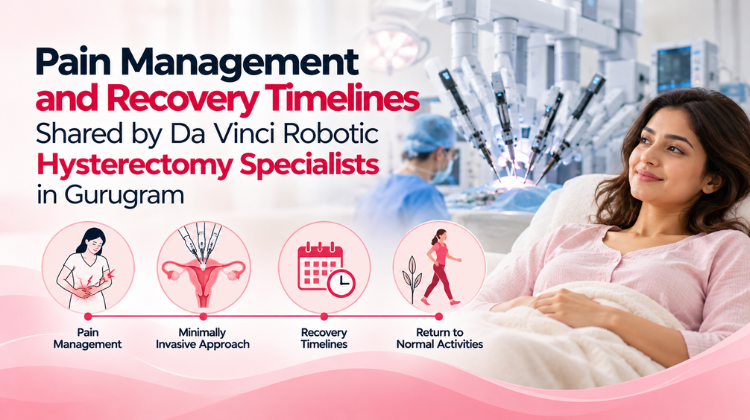
Pain Management and Recovery Timelines Shared by Da Vinci Robotic Hysterectomy Specialists in Gurugram
Deciding to undergo a hysterectomy is a major health turning point. Whether you are facing severe uterine fibroids, chronic deep endometriosis, heavy abnormal bleeding, or uterine prolapse, the promise of permanent symptom relief brings immense hope. However, for most women, this hope is paired with anxiety about post-operative pain, long hospital stays, and weeks of bed rest.
Historically, traditional open abdominal surgery meant large surgical incisions, significant muscle disruption, and a demanding six-to-eight-week recovery period. Even standard laparoscopic approaches, while an improvement, can carry physical limitations in complex cases.
The emergence of robotic-assisted keyhole surgery has dramatically transformed surgical outcomes. Insights into pain management and recovery timelines shared by Da Vinci Robotic Hysterectomy Specialists in Gurugram show how advanced technology minimizes physical trauma, lowers post-operative discomfort, and speeds up return to daily activities.
The Technology Behind Lower Pain and Accelerated Healing
To understand why pain levels are significantly reduced after robotic surgery, it helps to examine how the Da Vinci Xi system operates inside the human body.
                   SURGICAL TRAUMA & RECOVERY DYNAMICS
                                     |
         +---------------------------+---------------------------+
         |                                                       |
         v                                                       v
+-----------------------------------+   +-----------------------------------+
|    TRADITIONAL OPEN SURGERY       |   |    DA VINCI ROBOTIC SURGERY       |
+-----------------------------------+   +-----------------------------------+
| * 6-8 inch abdominal muscle cut   |   | * 3-4 tiny keyholes (5-8 mm)      |
| * High tissue traction & tearing  |   | * Zero muscle-cutting trauma      |
| * Severe post-op wound pain       |   | * Precise micro-vessel sealing    |
| * Extended opioid requirement     |   | * Minimal tissue inflammation     |
| * 6-8 weeks recovery time         |   | * 1-2 weeks rapid recovery        |
+-----------------------------------+   +-----------------------------------+
1. Keyhole Precision Replaces Muscle Cutting
In traditional open surgery, a surgeon must cut through abdominal skin, subcutaneous fat, and muscle fascia to access the pelvic organs. Pain after open surgery stems largely from this structural muscle division and subsequent wound tension. Da Vinci Robotic Hysterectomy Specialists in Gurugram use keyhole incisions measuring just 5 to 8 millimeters. The robotic instruments enter between muscle fibers without cutting them, drastically reducing nerve irritation and post-operative surgical site pain.
2. Elimination of Fulcrum Pivot Pressure
In standard manual laparoscopy, instruments pivot against the patient’s abdominal wall, creating pressure on surrounding nerves and skin. The Da Vinci robotic system uses fixed remote-center technology, meaning the instruments rotate around a single point in space without pulling or stretching the abdominal wall. This design minimizes post-operative soreness around keyhole sites.
3. 3D Magnification and Micro-Dissection
With 10x magnification and 3D high-definition visualization, Da Vinci Robotic Hysterectomy Specialists in Gurugram can identify and avoid delicate nerve pathways and blood vessels. Micro-bipolar vessel sealing stops bleeding instantly, preventing internal blood pooling, which is a major driver of post-operative pelvic inflammation and deep abdominal aching.
Comprehensive Pain Management: Protocols from Da Vinci Robotic Hysterectomy Specialists in Gurugram
Modern surgical care relies on Enhanced Recovery After Surgery (ERAS) protocols, which replace heavy narcotic reliance with targeted multimodal pain management strategies.
+-------------------------------------------------------------------+
|               MULTIMODAL PAIN MANAGEMENT PROTOCOL                 |
+-------------------------------------------------------------------+
  1. PRE-OPERATIVE  --> Pre-emptive NSAIDs & localized nerve blocks
  2. INTRA-OPERATIVE --> Micro-vessel sealing & gentle tissue handling
  3. POST-OPERATIVE  --> Non-opioid pain relief & early mobilization
  4. HOME CARE      --> Oral anti-inflammatories & routine walk intervals
+-------------------------------------------------------------------+
Phase 1: Pre-Emptive Pain Control
Pain management starts before the first incision is made. Da Vinci Robotic Hysterectomy Specialists in Gurugram administer non-opioid anti-inflammatory medications and targeted local nerve blocks around the keyhole sites prior to surgery. This pre-emptive approach calms the nervous system, preventing pain signals from escalating during the procedure.
Phase 2: Intra-Operative Gentle Tissue Handling
During surgery, the robotic system’s tremor filtration and wristed EndoWrist instruments allow the surgeon to dissect delicate tissue layers cleanly. By isolating blood vessels cleanly and minimizing tissue traction, internal trauma is kept low.
Phase 3: Post-Operative Recovery and Mobilization
Because the need for strong narcotics is reduced, patients avoid common narcotic side effects like severe nausea, constipation, brain fog, and urinary retention. Most women require only mild non-opioid oral pain relievers for a few days after discharge.
Hour-by-Hour and Week-by-Week Recovery Timeline
Understanding the recovery process helps patients prepare physically and emotionally for their surgery. Here is the recovery blueprint shared by leading Da Vinci Robotic Hysterectomy Specialists in Gurugram:
+-------------------------------------------------------------------+
|                  ROBOTIC HYSTERECTOMY RECOVERY                    |
+-------------------------------------------------------------------+
  Hours 0 - 6   : Awakening, early hydration, standing up with help
  Hours 6 - 24  : Soft food diet, walking in room, catheter removed
  Day 1 - 2     : Hospital discharge, transition to oral medication
  Week 1        : Light indoor walks, basic daily routine resumed
  Week 2        : Return to desk work, light outdoor strolls
  Week 3 - 4    : Normal daily driving, light low-impact exercises
  Week 6 - 8    : Full surgical recovery, gym workouts, bath soaking
+-------------------------------------------------------------------+
The First 24 Hours: Immediate Post-Op Phase
-
Hours 0 to 6: You wake up in the recovery unit with mild lower belly tightness. Local anesthetic applied at keyhole sites keeps pain low. Early foot and leg movements are encouraged.
-
Hours 6 to 12: You transition from ice chips to clear liquids and light soups. With assistance, you stand up and take short steps around your room to encourage circulation.
-
Hours 12 to 24: Urinary catheters are removed. You begin eating soft foods, walking along hospital corridors, and transitioning to routine oral pain relievers.
Days 2 to 7: Early Home Healing
-
Hospital Discharge: Most patients treated by Da Vinci Robotic Hysterectomy Specialists in Gurugram go home within 24 to 48 hours.
-
Mobility: You can walk independently around your house, climb stairs slowly, and manage basic self-care.
-
Pain Management: Discomfort feels like mild period cramps or exercise soreness, easily managed with prescribed oral medications.
-
Diet and Digestion: Normal bowel function typically resumes within 24 to 48 hours, supported by high-fiber meals and plenty of water.
Weeks 2 to 4: Returning to Daily Routines
-
Work Resumption: Women with sedentary desk jobs or work-from-home arrangements often return to work within 10 to 14 days.
-
Physical Activity: Light walking outdoors can be increased gradually. Driving is typically permitted around day 10 to 14 once you are off all prescription pain medications and can move comfortably.
-
Incision Healing: Keyhole sites dry up, forming tiny light scars that fade significantly over the following months.
Weeks 6 to 8: Complete Functional Recovery
-
Full Healing Clearance: At your 6-week follow-up appointment, your doctor inspects internal healing at the vaginal cuff.
-
Unrestricted Activity: You receive clearance to resume heavy lifting, high-impact gym workouts, running, swimming, and sexual intercourse.
Comparing Recovery Timelines Across Surgical Approaches
To highlight the advantages of robotic technology, Da Vinci Robotic Hysterectomy Specialists in Gurugram reference this clinical comparison:
| Recovery Benchmark | Open Abdominal Surgery | Standard Laparoscopy | Da Vinci Robotic Surgery |
| Incision Type | 6–8 inch abdominal cut | 3–4 keyhole cuts | 3–4 keyhole cuts (5–8 mm) |
| Hospital Stay | 3 to 5 days | 2 to 3 days | 1 to 2 days |
| Pain Level (Days 1–3) | Moderate to severe | Mild to moderate | Minimal to mild |
| Opioid Medication Need | High (5–7 days) | Low (1–3 days) | Very low to none |
| Return to Desk Work | 6 to 8 weeks | 2 to 4 weeks | 1 to 2 weeks |
| Return to Full Gym Activity | 8 to 12 weeks | 6 weeks | 4 to 6 weeks |
| Internal Vascular Precision | Standard | Standard 2D | Exceptional 3D HD (10x Magnification) |
Why Experience Matters: Choosing the Best Gynecologist in Gurugram
While robotic technology provides advanced precision, surgical outcomes ultimately depend on the expertise of the surgeon at the console.
Dr. Preeti Rastogi is widely recognized as the best gynecologist in Gurugram for minimal-access and robotic gynecological procedures. Serving as Director and Head of Department in Obstetrics and Gynecology at Medanta – The Medicity, Gurugram, Dr. Rastogi brings over 25 years of international clinical experience across leading healthcare institutions in the United Kingdom and India.
Qualifications & Clinical Excellence
-
Certified Da Vinci Xi Robotic Surgeon: Highly trained in performing robotic hysterectomies and myomectomies for complex conditions like massive fibroids, frozen pelvis, and severe deep infiltrating endometriosis.
-
Prestigious Credentials: Holds MBBS, DNB (Obstetrics & Gynecology), and MRCOG from the Royal College of Obstetricians and Gynaecologists, London, UK.
-
Excellence in ERAS Protocols: Focuses on pre-operative patient counseling, nerve-sparing techniques, and structured post-operative pain protocols to support smooth, rapid healing.
-
Compassionate, Ethical Practice: Known for clear communication, personalized care plans, and a patient-first approach to female pelvic health.
#Da Vinci Robotic Hysterectomy Specialists In Gurugram #Robotic Hysterectomy Recovery #Pain Management After Hysterectomy #Gurugram Robotic Surgeons #Best Gynecologist In Gurugram #Dr Preeti Rastogi #Medanta Gynecology #Minimally Invasive Gynecology #Keyhole Hysterectomy Recovery #Hysterectomy Recovery Timeline #Post Op Pain Relief #Da Vinci Xi System #Robotic Surgery India #ERAS Protocol Gynecology #Hysterectomy Side Effects #Returning To Work After Hysterectomy #Pelvic Health Gurugram #Uterine Fibroid Removal #Endometriosis Surgery Recovery #Nerve Sparing Hysterectomy #Abdominal Pain After Robotic Surgery #Hysterectomy Hospital Stay #Women Health Care Gurugram #Gynae Robotic Surgeon #Gynecologist Near Me #Advanced Pelvic Surgery #Fast Track Surgery Recovery #Robotic Hysterectomy Cost #Gynae Oncology Gurugram #Vaginal Cuff Healing
FAQ
Q1: What pain levels should I expect after surgery according to Da Vinci Robotic Hysterectomy Specialists in Gurugram?
Answer: According to Da Vinci Robotic Hysterectomy Specialists in Gurugram, pain after robotic surgery is significantly lower than after traditional open surgery. Because 5–8 mm keyhole access points preserve abdominal muscles, post-operative discomfort usually feels like mild menstrual cramps or muscular soreness. Most patients manage their pain comfortably using basic oral pain relievers for a few days without needing heavy narcotics.
Q2: How long is the hospital stay and total recovery time for a Da Vinci robotic hysterectomy in Gurugram?
Answer: Most patients treated by Da Vinci Robotic Hysterectomy Specialists in Gurugram are discharged from the hospital within 24 to 48 hours. Patients can walk comfortably on the day of surgery, return to sedentary desk work within 1 to 2 weeks, and resume full physical activities—including gym exercise, heavy lifting, and driving—within 4 to 6 weeks.
Q3: How soon can I resume driving and work after consulting Da Vinci Robotic Hysterectomy Specialists in Gurugram?
Answer: Most women return to desk jobs or light work within 10 to 14 days after surgery. Driving can typically be resumed after 10 to 14 days, provided you are no longer taking prescription pain medications, can perform an emergency quick stop without abdominal pain, and feel fully alert.
Q4: Why is Dr. Preeti Rastogi considered the best gynecologist in Gurugram for Da Vinci robotic hysterectomy?
Answer: Dr. Preeti Rastogi, Director and Head of Department in Obstetrics and Gynecology at Medanta – The Medicity, Gurugram, is widely regarded as the best gynecologist in Gurugram due to her 25+ years of clinical experience, MRCOG (UK) credentials, and specialized certification as a Da Vinci Xi robotic surgeon. She has extensive experience managing complex surgical cases while using minimal-access techniques to ensure low pain and rapid recovery.
Q5: What strategies help reduce gas pain and bloating after a robotic hysterectomy?
Answer: Carbon dioxide gas used during keyhole surgery can sometimes irritate the diaphragm, causing temporary shoulder or bloating discomfort. Da Vinci Robotic Hysterectomy Specialists in Gurugram advise early walking within hours of surgery, sipping warm peppermint tea or warm water, using a heating pad on the upper back, and taking mild anti-gas medications to help your body absorb and pass the gas naturally within 24 to 48 hours.