How Uterine Fibroids Impact Fertility (and Which Treatments Preserve Your Ability to Conceive)
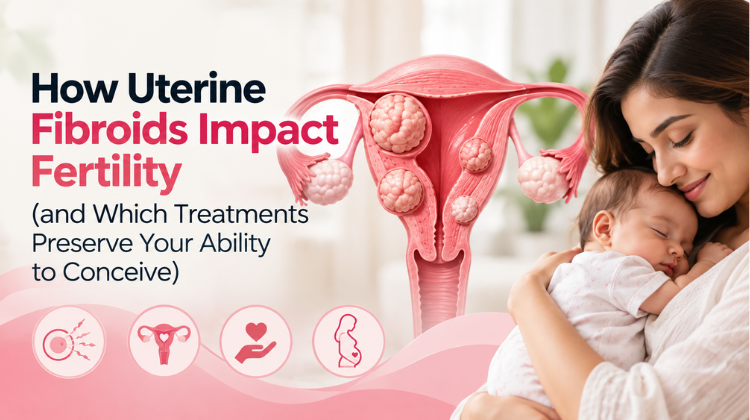
Trying to conceive is a deeply personal and often emotional journey. When months of trying turn into doctor appointments, tests, and unanswered questions, discovering that you have non-cancerous growths inside your body can feel overwhelming. For millions of women around the world, uterine leiomyomas—commonly known as fibroids—are the unexpected roadblock in their family planning timeline. Understanding how uterine fibroids impact fertility is the critical first step toward taking control of your reproductive health and turning your dreams of parenthood into a reality.
While the diagnosis may feel discouraging at first, a fibroid diagnosis is by no means an end to your fertility journey. Medical science has advanced dramatically over the last decade, moving away from aggressive surgical interventions toward uterine-preserving techniques that safeguard a woman’s reproductive potential. In this comprehensive guide, we will unpack the complex relationship between fibroids and conception, explore how different types of fibroids disrupt reproductive physiology, outline advanced fertility-preserving treatments, and explain why choosing the right specialist can make all the difference.
What Are Uterine Fibroids and How Common Are They?
Uterine fibroids are non-cancerous (benign) tumors composed of smooth muscle cells and fibrous connective tissue that grow within or on the walls of the uterus. They can vary in size from undetectable microscopic seedlings to bulky masses that enlarge and distort the entire organ.
Fibroids are remarkably common. Studies indicate that up to 70% to 80% of women will develop uterine fibroids by the age of 50. However, many women remain entirely unaware of their presence because fibroids can often grow silently without causing noticeable pain or heavy bleeding. For others, fibroids manifest through symptoms such as pelvic pain, severe menstrual cramping, prolonged periods, frequent urination, and lower back discomfort.
When it comes to reproductive health, these muscular growths can silently alter the pelvic environment. Understanding how uterine fibroids impact fertility begins with recognizing that not all fibroids are created equal; their specific size, number, and location dictate whether they act as a minor nuisance or a major barrier to conception. How Uterine Fibroids Impact Fertility and Which Treatments Preserve Your Ability to Conceive.
How Uterine Fibroids Impact Fertility in Women Trying to Conceive
To understand how uterine fibroids impact fertility, it helps to picture the precise steps required for a successful pregnancy. First, an egg must mature and be released from the ovary. It must then travel down the fallopian tube, where it meets sperm for fertilization. Once fertilized, the developing embryo must travel into the uterine cavity and embed itself seamlessly into a healthy, receptive endometrial lining (the endometrium). Finally, the uterus must expand smoothly to accommodate the growing fetus over nine months.
Fibroids can disrupt this delicately choreographed sequence at virtually every stage. Below are the primary mechanisms detailing how uterine fibroids impact fertility and prevent natural conception:
1. Mechanical Blockage of the Fallopian Tubes
Depending on where fibroids grow, they can physically obstruct the reproductive path. If a fibroid develops near the cornua (the area where the fallopian tube attaches to the uterus), its physical mass can compress or completely block the tube. This physical barrier prevents sperm from reaching the egg, or stops the fertilized embryo from reaching the safety of the uterine cavity.
2. Distortion of the Uterine Cavity
The shape and structural integrity of the uterine cavity are paramount for implantation. Submucosal fibroids, which bulge directly into the endometrial cavity, alter its smooth architecture. This structural distortion makes it exceptionally difficult for an embryo to anchor securely. Think of trying to plant a seed on a rocky, uneven surface rather than soft, fertile soil—the embryo simply cannot establish the firm vascular connection necessary to survive.
3. Alterations to Endometrial Receptivity and Blood Flow
A healthy uterus requires optimal blood flow to nourish the endometrial lining, preparing it to welcome an embryo. Large or strategically positioned fibroids can alter blood flow to the endometrium. By diverting essential nutrients and oxygen away from the lining, fibroids can leave the surrounding tissue thin, inflamed, or poorly vascularized. This decreased receptivity directly hinders the embryo’s ability to implant and thrive.
4. Localized Inflammation and Hormonal Disruption
Fibroids are not biologically inert tissue; they produce inflammatory factors, cytokines, and altered signaling molecules that create a localized toxic environment inside the uterine cavity. This persistent, micro-level inflammation can impair sperm motility, alter cervical mucus, and degrade egg or embryo quality before implantation even occurs.
5. Interference with Uterine Contractions
The uterus undergoes subtle, rhythmic muscular contractions that help transport sperm toward the fallopian tubes during ovulation. Fibroids situated within the thick muscular layer (myometrium) can cause abnormal, irregular contractions that interfere with sperm migration, making natural fertilization significantly harder to achieve.
Types of Uterine Fibroids and Their Specific Impact on Fertility
Because treatment decisions depend heavily on anatomical location, reproductive endocrinologists and gynecologists classify fibroids into three primary categories. Knowing which type you have is essential to understanding how uterine fibroids impact fertility in your specific case.
       +------------------------------------------------+
       |             UTERINE WALL ARCHITECTURE          |
       +------------------------------------------------+
                               |
       +-----------------------+------------------------+
       |                       |                        |
       v                       v                        v
+--------------+       +--------------+        +-----------------+
| Submucosal   |       | Intramural   |        | Subserosal      |
| Fibroids     |       | Fibroids     |        | Fibroids        |
+--------------+       +--------------+        +-----------------+
| Bulge inside |       | Grow within  |        | Project outside |
| cavity; HIGH |       | muscle; MID  |        | uterus; LOW     |
| impact on    |       | impact if    |        | impact on       |
| fertility.   |       | > 4-5 cm.    |        | fertility.      |
+--------------+       +--------------+        +-----------------+
Submucosal Fibroids (Highest Impact on Fertility)
Submucosal fibroids develop just beneath the inner lining of the uterus and protrude directly into the uterine cavity. Though they account for only about 5% to 10% of all fibroid cases, they carry the highest risk of causing infertility and recurrent pregnancy loss. By distorting the cavity space, triggering heavy menstrual bleeding, and causing localized endometrial inflammation, submucosal fibroids significantly reduce conception rates and increase miscarriage risk. Surgical removal of submucosal fibroids routinely restores fertility potential.
Intramural Fibroids (Moderate to Conditional Impact)
Intramural fibroids reside entirely within the muscular wall of the uterus. They are the most common type of fibroid. Their impact on fertility depends largely on their size and proximity to the inner uterine cavity. Small intramural fibroids (under 3 to 4 centimeters) that do not distort the cavity usually have a minimal effect on fertility. However, larger intramural fibroids (over 4 to 5 centimeters) can alter the shape of the uterine wall, disrupt localized blood supply, and trigger uterine muscle spasms, making it harder to conceive or maintain a pregnancy. How Uterine Fibroids Impact Fertility and Which Treatments Preserve Your Ability to Conceive.
Subserosal Fibroids (Lowest Impact on Fertility)
Subserosal fibroids grow on the outer surface of the uterus, projecting outward into the pelvic cavity. Because they sit outside the uterine muscle and far away from the endometrial cavity, subserosal fibroids rarely interfere with embryo implantation or tube patency. Consequently, they are seldom considered a direct cause of infertility unless they grow exceptionally large and exert pressure on surrounding pelvic organs, or displace the ovaries and fallopian tubes into abnormal positions.
Symptoms That Indicate Fibroids May Be Affecting Your Fertility
If you are trying to conceive and experiencing any of the following warning signs, fibroids could be playing an active role:
-
Heavy, Prolonged Menstrual Bleeding (Menorrhagia): Soaking through sanitary products every hour or passing large blood clots during periods.
-
Severe Dysmenorrhea: Intense, debilitating pelvic pain and cramping during menstruation or throughout your cycle.
-
Pelvic Pressure and Lower Back Pain: A continuous sense of heaviness, fullness, or chronic ache in the lower abdomen or back.
-
Pain During Intercourse (Dyspareunia): Discomfort or deep pain during sexual intimacy, particularly with fibroids located near the lower uterus or cervix.
-
Unexplained Recurrent Miscarriages: Experiencing multiple early pregnancy losses without an identified genetic or hormonal cause.
-
Frequent Urination or Constipation: Bulky fibroids pressing against the bladder or rectum, disrupting normal organ function.
If you recognize these symptoms while attempting to conceive, consulting a specialized gynecologist who understands how uterine fibroids impact fertility will allow for timely diagnostic imaging and personalized treatment planning. How Uterine Fibroids Impact Fertility and Which Treatments Preserve Your Ability to Conceive.
How Fibroids Are Diagnosed Prior to Fertility Treatments
Accurate mapping of fibroids is essential before initiating any fertility intervention or surgical plan. Modern diagnostic tools offer high-definition precision:
-
Transvaginal Ultrasonography (TVS): The initial, non-invasive imaging standard used to identify the presence, size, and approximate locations of fibroids within the uterus.
-
Saline Infusion Sonogram (Sonohysterography / SIS): Sterile saline solution is gently infused into the uterine cavity during an ultrasound. This expands the cavity, allowing physicians to clearly see whether intramural or submucosal fibroids are bulging into the inner space.
-
Diagnostic Hysteroscopy: A thin, lighted telescope (hysteroscopy) is inserted through the cervix into the uterus, offering a direct visual evaluation of the cavity and enabling instantaneous identification of submucosal growths.
-
Pelvic Magnetic Resonance Imaging (MRI): Provides comprehensive 3D visual mapping of all fibroids, precisely delineating their depth within the myometrium, their vascularity, and their relationship to adjacent structures. MRI is invaluable for planning complex, fertility-preserving minimally invasive surgeries. How Uterine Fibroids Impact Fertility and Which Treatments Preserve Your Ability to Conceive.
Fertility-Preserving Treatments for Uterine Fibroids
When fibroids impair reproductive function, the primary medical objective shifts toward removing or shrinking the lesions while preserving the full structural and functional integrity of the uterus. Standard treatments like hysterectomy (removal of the uterus) or Uterine Fibroid Embolization (UFE, which can compromise ovarian reserve and uterine blood supply) are generally avoided for women seeking future pregnancy.
Below are the gold-standard, fertility-preserving treatment options available today:
1. Laparoscopic Myomectomy
Laparoscopic myomectomy is a minimally invasive surgical procedure designed to remove fibroids through tiny keyhole incisions in the abdomen. Guided by a high-definition camera, the surgeon carefully shells out the fibroid tissue from the uterine wall and meticulously repairs the muscle layer with multi-layer suturing.
-
Fertility Advantage: Minimal abdominal scarring, lower risk of pelvic adhesions, significantly reduced postoperative pain, and rapid recovery times compared to traditional open surgery.
-
Best Suited For: Subserosal and intramural fibroids of moderate size and reasonable number.
2. Robotic-Assisted Myomectomy
Robotic surgery represents the cutting edge of minimally invasive fibroid removal. Utilizing advanced platforms like the da Vinci Xi robotic system, surgeons gain 3D high-definition visualization, 10x magnification, and wrist-articulated instruments that mirror the human hand with unmatched precision and zero tremor.
-
Fertility Advantage: The extraordinary dexterity allowed by robotic instruments enables precise multi-layer suturing of the uterine wall. Reconstructing a strong, durable uterine muscle wall is crucial to ensure the uterus can safely stretch and withstand labor contractions during future pregnancies without risking uterine rupture.
-
Best Suited For: Deeply embedded intramural fibroids, large fibroids, or multiple complex fibroids where precise suturing is required.
3. Hysteroscopic Myomectomy
Hysteroscopic myomectomy is a completely incisionless procedure performed entirely through the natural birth canal. The surgeon passes a specialized operative instrument (resectoscope) through the vagina and cervix into the uterine cavity to carefully shave away and remove submucosal fibroids.
-
Fertility Advantage: No external incisions, zero damage to surrounding healthy uterine muscle tissue, virtually no risk of abdominal adhesions, and a fast recovery that often allows patients to resume trying to conceive within a few weeks to months.
-
Best Suited For: Submucosal fibroids located within or directly adjacent to the uterine cavity.
4. Medical Management (Bridge to Surgery or Conception)
Hormonal therapies, including Gonadotropin-Releasing Hormone (GnRH) agonists and antagonists, can temporarily shrink fibroid volume and reduce excessive bleeding. While medical therapy alone does not permanently eliminate fibroids, it is frequently utilized prior to surgery to reduce fibroid size, make surgical extraction safer, and correct underlying anemia before conception attempts. How Uterine Fibroids Impact Fertility and Which Treatments Preserve Your Ability to Conceive.
Comparing Surgical Options for Fibroid Removal
| Feature / Criteria | Laparoscopic Myomectomy | Robotic Myomectomy | Hysteroscopic Myomectomy | Traditional Open Myomectomy |
| Incision Type | Keyhole (3-4 small cuts) | Keyhole (3-4 small cuts) | Incisionless (Transvaginal) | Single large abdominal incision |
| Ideal Fibroid Location | Subserosal & Intramural | Deep Intramural & Multiple | Submucosal (Inside cavity) | Very large or extensive fibroids |
| Suturing Precision | Moderate | Exceptional (3D Wristed) | N/A (Intra-cavity resection) | High |
| Hospital Stay | 1-2 days | 1-2 days | Daycare (Same day home) | 3-5 days |
| Recovery Period | 1-2 weeks | 1-2 weeks | 2-3 days | 4-6 weeks |
| Fertility Preservation | Excellent | Superior | Outstanding | Good (Higher risk of adhesions) |
Pregnancy and Delivery After Fibroid Treatment
Once fibroids are successfully treated or removed using fertility-preserving techniques, your path to pregnancy opens significantly. However, tailored post-treatment guidance remains crucial:
-
Healing Timeline Before Attempting Conception: After an intramural or laparoscopic/robotic myomectomy, surgeons typically advise waiting 3 to 6 months before trying to conceive. This healing window ensures that the uterine muscle layer recovers full strength to support the weight of a growing fetus.
-
High-Risk Pregnancy Management: If deep intramural fibroids were removed and the myometrium underwent full-thickness suturing, your obstetrician may recommend a planned Cesarean section (C-section) at full term to eliminate any small risk of uterine rupture during active labor contractions.
-
Improved IVF Outcomes: For women undergoing Assisted Reproductive Technology (ART) or In Vitro Fertilization (IVF), removing cavity-distorting submucosal or large intramural fibroids prior to embryo transfer drastically increases implantation rates and clinical pregnancy success. How Uterine Fibroids Impact Fertility and Which Treatments Preserve Your Ability to Conceive.
Why Expert Medical Care Matters in Fibroid Management
Successfully navigating fibroids while safeguarding your fertility requires more than standard medical care—it demands high-level surgical expertise, advanced technological resources, and a compassionate, individualized treatment plan.
The human uterus is a delicate organ; removing tumors from its muscular wall without compromising future childbearing capacity requires precise surgical dexterity. Suboptimal surgical technique, inadequate uterine wall reconstruction, or unnecessary damage to healthy tissue can lead to internal scarring (adhesions) that might create new fertility challenges.
When evaluating specialists, look for surgeons with extensive experience in minimal-access techniques, robotic platforms, and high-risk reproductive health. A skilled specialist will perform a thorough baseline evaluation, determine whether surgical intervention is truly necessary based on your specific fibroid type and size, and select the least invasive procedure to protect your reproductive future.
#Uterine Fibroids And Fertility #Fibroid Symptoms #Submucosal Fibroids #Intramural Fibroids #Subserosal Fibroids #Fertility Preserving Treatment #Myomectomy Surgery #Laparoscopic Myomectomy #Robotic Myomectomy #Hysteroscopic Myomectomy #Infertility In Women #Fibroid Removal #Uterine Health #Embryo Implantation #Blockage In Fallopian Tubes #Conception Challenges #Endometrial Receptivity #High Risk Pregnancy #Minimally Invasive Gynecology #Fibroid Diagnosis #Pelvic Ultrasound #Da Vinci Robotic Surgery #Getting Pregnant With Fibroids #Recurring Miscarriage Causes #Fibroid Treatment Without Hysterectomy #Reproductive Health #Medanta Gynecology #Dr Preeti Rastogi #Best Gynecologist In India #Gynecologist In Gurgaon #Female Fertility Care #Uterine Fibroid Management
FAQ
Q1: How do uterine fibroids impact fertility and lower chances of natural pregnancy?
Answer: Uterine fibroids impact fertility primarily by altering the physical environment of the uterus. Depending on their size and location, fibroids can block the fallopian tubes, preventing sperm from reaching the egg; distort the shape of the uterine cavity, stopping fertilized embryos from implanting; disrupt blood flow to the endometrial lining; cause localized inflammation; and produce abnormal uterine contractions that interfere with sperm movement and embryo retention. How Uterine Fibroids Impact Fertility and Which Treatments Preserve Your Ability to Conceive.
Q2: Can you still get pregnant naturally if you have uterine fibroids?
Answer: Yes, many women with uterine fibroids conceive naturally and enjoy healthy, full-term pregnancies. Fibroids only interfere with fertility in about 5% to 10% of cases. The impact depends on fibroid location and size: subserosal fibroids (on the outer surface) rarely affect pregnancy, whereas submucosal fibroids (inside the uterine cavity) and large intramural fibroids (within the uterine wall) carry a much higher likelihood of causing conception delays or miscarriages. How Uterine Fibroids Impact Fertility and Which Treatments Preserve Your Ability to Conceive.
Q3: Which fibroid treatments preserve the uterus and protect future fertility?
Answer: The primary fertility-preserving treatments for uterine fibroids are myomectomy procedures, which surgically remove the fibroids while leaving the healthy uterus intact. Options include:
-
Hysteroscopic Myomectomy: Incisionless removal of submucosal fibroids inside the uterine cavity through the vagina.
-
Laparoscopic Myomectomy: Minimally invasive keyhole surgery to remove subserosal and intramural fibroids.
-
Robotic-Assisted Myomectomy: Advanced keyhole surgery using robotic precision (like the da Vinci system) for complex or deeply embedded intramural fibroids. How Uterine Fibroids Impact Fertility and Which Treatments Preserve Your Ability to Conceive.
Q4: Why is Dr. Preeti Rastogi considered a top specialist in India for fertility-preserving fibroid treatment?
Answer: Dr. Preeti Rastogi, Director and Head of Department in Obstetrics and Gynecology at Medanta – The Medicity, Gurugram, is widely recognized as one of the best gynecologists in Gurugram for treating fibroids while preserving fertility. With over 25 to 30 years of extensive clinical experience across top institutions in the UK and India, she holds prestigious qualifications including MRCOG (UK) and DNB. As a certified Da Vinci Xi Robotic Surgeon and an expert in minimal-access laparoscopy and hysteroscopy, Dr. Rastogi specializes in delicate uterine reconstruction and high-risk pregnancy management, ensuring patients receive world-class care that protects their ability to conceive. How Uterine Fibroids Impact Fertility and Which Treatments Preserve Your Ability to Conceive.
Q5: How soon after fibroid surgery can I start trying to conceive under expert care?
Answer: The timeline for attempting pregnancy post-surgery depends on the type of procedure performed:
-
After Hysteroscopic Myomectomy: Patients can typically start trying to conceive after 1 to 2 normal menstrual cycles (around 1 to 2 months).
-
After Laparoscopic or Robotic Myomectomy: Doctors generally recommend waiting 3 to 6 months to allow the uterine muscle tissue to fully heal and regain structural strength, ensuring it can safely support a growing pregnancy. How Uterine Fibroids Impact Fertility and Which Treatments Preserve Your Ability to Conceive.