Maternity Hospital Bag Checklist and Tips
Ultimate Maternity Hospital Bag Checklist and Essential Third-Trimester Tips
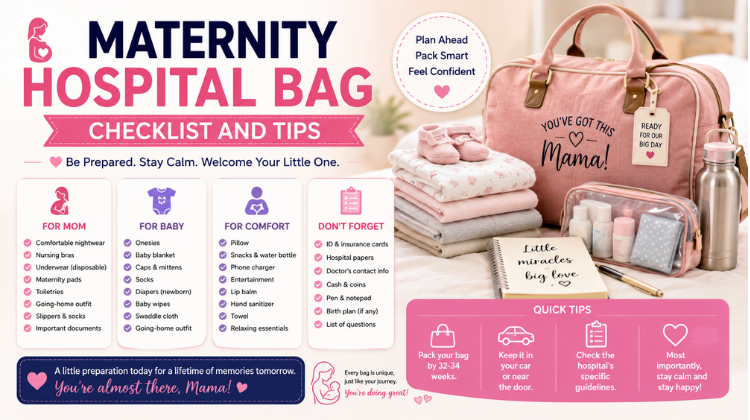
Welcoming a newborn into the world is an extraordinary, life-altering experience. As your due date approaches, deliberate preparation becomes your greatest ally in ensuring a smooth, stress-free delivery journey. One of the most vital milestones in your third trimester is packing your hospital luggage. Having a well-structured Maternity Hospital Bag Checklist ready by week 35 eliminates last-minute panic, allowing you to focus completely on labor, delivery, and immediate bonding with your infant. This comprehensive guide details everything an expecting mother needs to pack for herself, the baby, and her birth partner to navigate the hospital stay effortlessly.
Why Preparing a Maternity Hospital Bag Checklist Early Matters
Labor is inherently unpredictable. Preparing your Maternity Hospital Bag Checklist well in advance ensures that you are ready for any surprise early arrivals. Many expectant parents delay packing, only to find themselves scrambling during early contractions.
A planned, organized luggage layout ensures you have critical medical documents, comfortable clothing, and essential newborn items within arm’s reach. This proactive preparation creates a calm environment during your transition into parenthood.
Mother’s Essentials: The Core Maternity Hospital Bag Checklist
The primary section of your Maternity Hospital Bag Checklist should center entirely around the mother’s physical comfort, personal hygiene, and medical requirements during and after labor.
1. Essential Documentation and Medical Records
-
Complete pregnancy medical file, including prenatal ultrasound scans, blood reports, and prescription histories.
-
Official government-issued photo identification cards, insurance cards, and hospital pre-admission paperwork.
-
A printed version of your customized birth plan to share with the attending nursing staff.
2. Comfort Clothes and Personal Care Items
-
Labor Apparel: Pack 2 to 3 loose, breathable cotton nightgowns or oversized t-shirts that open down the front for immediate skin-to-skin contact.
-
Postpartum Clothing: Soft, dark-colored pajamas, nursing bras with easy-release clips, and supportive maternity underwear that can comfortably accommodate heavy-duty postpartum pads.
-
Basic Toiletries: Lip balm to fight dry hospital air, dry shampoo, a toothbrush, hair ties, moisturizer, and non-slip socks or slippers for walking around the recovery wing.
Newborn Requirements: The Baby Section of the Checklist
Your newborn requires delicate, specialized items during their initial 48 hours of life. Make sure these specific items are included in your Maternity Hospital Bag Checklist:
-
Infant Apparel: Bring 3 to 4 soft, pre-washed cotton onesies, swaddle blankets, newborn mittens, and soft booties to regulate the baby’s body temperature.
-
Diapering and Hygiene Supplies: Gentle, alcohol-free newborn wet wipes, a pack of premium newborn-size diapers, and soft cotton burp cloths.
-
Going-Home Outfit: A weather-appropriate outfit featuring long sleeves and integrated footies to keep your baby safe and comfortable on the ride home.
Partner’s Packing Category and Extra Comfort Tips
Your birth partner plays an essential supportive role during labor. Their needs should be a core component of your broader Maternity Hospital Bag Checklist strategy:
-
Comfortable clothing changes, basic toiletries, and a supportive pillow for staying overnight on the hospital couch.
-
Electronics setups, including extra-long phone charging cables, a power bank, and a camera to document the first milestones.
-
High-energy snacks, electrolyte drinks, and local currency for hospital vending machines or cafeteria runs.
Reviewing your configuration checks ahead of time guarantees that when your labor transitions into active delivery, your support system can easily access essential tools.
Master Organizational Framework: The Tri-Zone Hospital Bag Method
Preparing your maternity hospital bag goes beyond creating a simple list of supplies; it requires an organized structure that ensures items are accessible when you need them. Dividing your belongings into three distinct, color-coded bags prevents confusion during active labor, allows your birth partner to find items instantly, and keeps your hospital suite neat.
┌─────────────────────────────────────────────────────────────────────────────┐
│                    Tri-Zone Hospital Bag Packing System                     │
├─────────────────────────────────────────────────────────────────────────────┤
│ Bag 1: Triage & Active Labor Suite (High-Access Duffel)                    │
│  • Antenatal clinical file, identification proofs, insurance records        │
│  • Fast-acting energy snacks, electrolyte sachets, lip balm                 │
│  • Non-skid grip footwear, massage rollers, wireless audio speakers         │
│                                                                             │
│ Bag 2: Postpartum Recovery Ward (Medium-Access Rolling Case)                 │
│  • Nursing apparel, high-absorbency maternity pads, peri bottle             │
│  • Post-surgical high-waisted briefs, abdominal support binder              │
│  • Personal hygiene kit, loose-fitting loungewear                           │
│  • Newborn organic cotton outfits, swaddle wraps, diapers                   │
│                                                                             │
│ Bag 3: Birth Companion & Logistics (Low-Access Backpack)                    │
│  • Digital charging stations, extra-long power cords, power banks           │
│  • 2–3 changes of comfortable clothes, basic toiletries                     │
│  • Small-denomination cash, personal snacks, water bottle                   │
└─────────────────────────────────────────────────────────────────────────────┘
Bag 1: Triage and Active Labor Suite
This bag should contain only the items needed during early labor, triage admission, and active delivery. Keep this bag at the top of your stack so your partner can grab it immediately upon arrival at the hospital. Use clear, zip-top pouches inside to separate medical paperwork, hydration tools, and comfort aids.
Bag 2: Postpartum Recovery Ward
Keep this rolling suitcase in the vehicle trunk during initial admission and retrieve it only after you have been transferred to your private recovery suite. Separating your postpartum clothes, hygiene supplies, and newborn outfits from your labor gear keeps your delivery room clutter-free.
Bag 3: Birth Companion and Logistics
Your partner’s backpack should function independently of the maternal bags. Storing their digital chargers, changes of clothing, personal toiletries, and high-protein snacks in a separate bag ensures they stay refreshed without searching through the mother’s supplies.
Critical Administrative and Medical File Pre-authorization Protocols
When you arrive at the maternity triage desk, clear paperwork makes admission smooth and stress-free. Grouping all your physical medical records into a labeled accordion folder allows the nursing team to review your medical history without delay.
| Document Category | Specific Files Required | Clinical & Administrative Purpose |
| Government Identification | Aadhaar Card, Passport, Driver’s License (Originals + 3 Copies) | Verifies patient identity and opens active inpatient clinical files |
| Antenatal Medical Dossier | Complete prenatal record, blood group report, NIPT/GTT screenings, all trimester ultrasound scans | Gives the attending delivery team immediate access to your health history and risk factors |
| Insurance & Cashless Desk | Health insurance card, TPA pre-authorization form, corporate ID card | Speeds up cashless admissions and hospital billing processing |
| Birth Preference Document | 3 printed copies (for medical file, duty nurse, attending consultant) | Communicates your preferences regarding pain relief, movement during labor, and newborn care |
Labor Suite Environmental Customization & Neuro-Hormonal Optimization
The environment of your delivery room directly impacts your body’s production of natural oxytocin—the primary hormone that drives effective labor contractions. Bright, cold, or noisy settings can trigger adrenaline release, which may slow down labor progress. Simple environmental adjustments help turn a clinical room into a calm, supportive space.
                  [Neuro-Hormonal Labor Optimization]
                                   │
     ┌─────────────────────────────┼─────────────────────────────┐
     ▼                             ▼                             ▼
[Lighting Control]         [Auditory Comfort]            [Olfactory & Tactile]
- Warm battery LED candles - Bluetooth relaxation audio  - Natural lavender spray
- Dimmable ambient lamps   - Noise-canceling headphones  - Soft, familiar home blanket
Lighting and Visual Comfort
-
Warm, Dimmable Lighting: Turn off harsh overhead fluorescent lights in favor of warm, low-level illumination. Battery-operated LED tealights or small dimmable lamps create a soft atmosphere that helps reduce anxiety and supports relaxation.
-
Familiar Visual Touches: Placing framed family photos or affirmation cards near your bed offers reassuring visual focal points during intense contractions.
Auditory and Scent Setup
-
Relaxation Playlists: Sound can help focus your mind and ease tension. Bring a portable wireless speaker pre-loaded with relaxing music, guided meditation tracks, or calming environmental sounds.
-
Soothing Aromatherapy: Spraying lavender or chamomile mists onto your pillow can create a relaxing atmosphere. Avoid strong, artificial fragrances that might trigger nausea during active labor.
Delivery Pathway Postpartum Care: Vaginal vs. Cesarean Preparation
Postpartum recovery supplies should match your expected delivery path, keeping you comfortable during your initial recovery days.
                      [Postpartum Recovery Essentials]
                                     │
            ┌────────────────────────┴────────────────────────┐
            ▼                                                 ▼
[Vaginal Birth Recovery Kit]                       [Cesarean Section Recovery Kit]
- Heavy-duty maternity overnight pads              - High-waisted cotton briefs (above navel)
- Angled perineal cleansing bottle (peri bottle)  - Medical-grade abdominal binder
- Witch hazel cooling pads                         - Loose, front-buttoning loungewear
- Soft sitz bath salt blends                       - Slip-on footwear (no bending required)
Vaginal Delivery Recovery Protocol
-
Heavy-Duty Maternity Pads: Postpartum bleeding (lochia) is heaviest over the first 3 to 5 days. Extra-long maternity pads or disposable postpartum underwear provide reliable coverage.
-
Angled Peri Flushing Bottle: Cleansing the perineum with warm water using an angled spray bottle provides gentle hygiene after using the restroom, avoiding the need for irritating toilet paper.
-
Cooling Perineal Pads: Medicated witch hazel pads or gel cold packs help reduce perineal swelling, soothe tender tissues, and ease localized discomfort.
Cesarean Section Recovery Protocol
-
High-Waisted Cotton Briefs: Standard underwear can rub directly against a lower C-section incision line. High-waisted cotton briefs sit safely above the navel to keep the incision free from friction.
-
Abdominal Support Binder: A soft, adjustable abdominal belt provides gentle core support, making it easier to walk, sit up, cough, or laugh during early recovery.
-
Front-Buttoning Loungewear: Loose, front-opening nightgowns keep pressure off your abdominal wound while allowing nurses to complete routine checks easily.
Advanced Lactation Support & Early Breastfeeding Toolkit
Setting up a dedicated lactation kit helps make early feedings comfortable and stress-free as you learn to nurse your newborn.
                           [Lactation Readiness Setup]
                                       │
     ┌─────────────────────────────────┼─────────────────────────────────┐
     ▼                                 ▼                                 ▼
[Apparel & Support]           [Nipple Care & Soothing]          [Expressing & Storage]
- Front-clasp nursing bras     - Pure medical-grade lanolin      - Silicone manual collector
- Ergonomic nursing pillow     - Hydrogel cooling pads           - BPA-free storage bottles
- Washable organic breast pads - Thermal breast compression packs - Soft cotton burp cloths
Nipple Protection and Skin Care
-
Medical-Grade Lanolin Ointment: Applying pure lanolin or organic nipple butter after feedings soothes dry or tender skin and supports healing as your baby adjusts their latch.
-
Hydrogel Cooling Patches: Sterile hydrogel pads provide immediate cooling relief to sore or tender breasts during your initial days of nursing.
Nursing Comfort Essentials
-
Ergonomic Nursing Pillow: A firm nursing pillow elevates your baby to breast height, reducing strain on your back, neck, and shoulders.
-
Absorbent Breast Pads: Reusable bamboo or cotton breast pads slip easily inside your bra to catch leaks between feedings.
Newborn Nursery Setup: Wardrobe, Diapering, and Travel Safety
Packing for your newborn means prioritizing gentle, breathable fabrics, convenient clothing designs, and safety-tested travel gear.
┌─────────────────────────────────────────────────────────────────────────────┐
│                    Newborn Essentials Checklist & Setup                     │
├─────────────────────────────────────────────────────────────────────────────┤
│ Wardrobe Essentials:                                                        │
│  • 4–6 organic cotton bodysuits with front snaps or side ties.       │
│  • 3–4 soft, breathable muslin or jersey swaddle blankets.      │
│  • 2 soft cotton caps, 3 pairs of scratch mittens, and footie socks.│
│                                                                             │
│ Diapering & Skin Care:                                                      │
│  • 1 pack of size-newborn hypoallergenic, fragrance-free diapers.     │
│  • 99% pure water wipes formulated for sensitive newborn skin.       │
│  • Zinc-oxide barrier rash cream and cotton balls for cord care.      │
│                                                                             │
│ Safe Discharge & Transit:                                                   │
│  • Certified rear-facing infant car seat properly installed in your car. │
└─────────────────────────────────────────────────────────────────────────────┘
Organic Cotton Apparel Guidelines
A newborn’s skin is thin and sensitive. Choose clothing made from 100% organic cotton pre-washed in a mild, fragrance-free detergent. Kimono-style bodysuits and front-zipping sleepsuits are great choices because they do not need to be pulled over your baby’s head.
Infant Car Seat Safety Protocol
Hospitals require a safe travel setup before discharging your newborn. Install a certified, rear-facing infant car seat in your vehicle by Week 36. Ensure the harness straps fit snugly against your baby’s shoulders without bulky winter layers underneath.
Seasonal Hospital Bag Adjustments for North India
Adjusting your hospital bag for the season ensures comfort for both mother and baby throughout the year.
                     [Seasonal Packing Modifications]
                                     │
            ┌────────────────────────┴────────────────────────┐
            ▼                                                 ▼
[Monsoon Season (June – September)]              [Winter Season (November – February)]
- Waterproof carry bags & ziplock pouches        - Thermal inner bodysuits for newborn
- Anti-mosquito fabric roll-ons                  - Front-buttoning woolen cardigans
- Extra quick-dry cotton towels                  - Soft cotton booties, caps & mittens
- Breathable slip-on footwear                    - Rich, fragrance-free moisturizers
Monsoon Season Essentials
Humid weather calls for protective packing choices:
-
Waterproof Storage Pouches: Use water-resistant bags or sealed zip-top pouches to keep clothing, baby wear, and medical documents dry during transit.
-
Insect Protection: Pack fabric-safe, natural mosquito repellent patches or roll-ons for your room.
Winter Season Essentials
North Indian winters bring cool temperatures, making layered thermal protection important:
-
Layered Newborn Thermals: Pack 2 to 3 thermal bodysuits along with fleece sleepers to keep your baby warm.
-
Mother’s Warm Layers: Include a front-opening woolen cardigan or warm wrap that allows for easy skin-to-skin contact and nursing without exposing your chest to drafts.
World-Class Maternal & Obstetric Care: Dr. Preeti Rastogi
Navigating labor, delivery, and postpartum care requires experienced clinical guidance and compassionate support. Recognized as the best gynaecologist in gurugram, Dr. Preeti Rastogi offers world-class obstetric care tailored to each mother’s unique birth preferences.
┌─────────────────────────────────────────────────────────────────────────────┐
│                    Dr. Preeti Rastogi: Clinical Expertise                   │
├─────────────────────────────────────────────────────────────────────────────┤
│ • Leadership Role: Director & Head of Department, Obstetrics & Gynaecology  │
│   at Medanta – The Medicity, Gurugram                         │
│ • International Credentials: Over 10 years of senior practice in top UK     │
│   hospitals; holds MRCOG (London, UK) and specialized sub-specialty         │
│   fellowships in High-Risk Obstetrics, Laparoscopy, and Urogynecology       │
│ • Surgical Mastery: Certified Da Vinci Xi Robotic Surgeon specializing in   │
│   complex organ-preserving procedures and high-risk deliveries  │
│ • Patient Philosophy: Dedicated to birth preference plans, painless labor   │
│   options, and evidence-based clinical practices              │
└─────────────────────────────────────────────────────────────────────────────┘
Comprehensive Obstetric Services
Dr. Preeti Rastogi leads a dedicated team providing comprehensive, patient-centered care throughout every stage of pregnancy:
-
High-Risk Pregnancy Management: Comprehensive management of complex conditions such as gestational diabetes, pre-eclampsia, multiple pregnancies, and previous C-section scars.
-
Support for Birthing Preferences: Encourages birth preference plans, including painless labor options, mobility during early labor, and immediate skin-to-skin contact post-delivery.
-
Vaginal Birth After Cesarean (VBAC): Offers expert clinical evaluations and safe monitoring for mothers seeking a trial of labor after a previous C-section.
-
Advanced Minimal Access & Robotic Surgery: Certified expertise in Da Vinci Xi robotic surgical systems for complex gynecological conditions requiring precise intervention.
Her clinical leadership, international expertise, and dedication to safe delivery outcomes make her the best gynaecologist in gurugram.
Conclusion: Stepping Into Motherhood Competently
Completing your Maternity Hospital Bag Checklist brings a deep sense of readiness as you approach your delivery day. Relying on an organized preparation strategy and trusted medical support ensures you can navigate labor and postpartum recovery with absolute peace of mind.
For expectant mothers in Delhi NCR, finalizing your delivery details should always co-exist with choosing top-tier healthcare providers. It is highly recommended to consult Dr. Preeti Rastogi, best gynecologist in Gurgaon, to guide you through a safe, empathetic labor experience.
About Dr. Preeti Rastogi:
-
Distinguished Leadership: She serves as the Director and Head of Department (HOD) of Obstetrics and Gynaecology at Medanta – The Medicity, Gurugram.
-
Decades of Global Experience: She brings over 30 years of extensive clinical experience across top-tier medical institutions in both India and the United Kingdom.
-
Prestigious Credentials: She holds an MRCOG from the Royal College of Obstetricians and Gynaecologists (London) and a DNB from the National Board of Examinations.
-
Advanced Surgical Expertise: Dr. Rastogi is a certified Da Vinci Xi Robotic Surgeon, specializing in advanced, precision-driven minimally invasive procedures and gynecological surgeries.
-
Safe Motherhood Advocate: She is widely recognized for her expertise in managing complex, high-risk pregnancies (such as gestational diabetes and hypertension) and is a passionate promoter of normal vaginal deliveries.
#Hospital Bag Checklist #Pregnancy Packing List #Third Trimester Guide #Newborn Essentials #Postpartum Care Kit #Labor And Delivery Tips #High Risk Pregnancy Care #Normal Vaginal Birth #Medanta Gynecologist #Robotic Gynaecology #Prenatal Care Gurgaon #Safe Motherhood Practices #Baby Onesies Set #Maternity Underwear #Nursing Bra Guide #Birth Partner Checklist #Urogynecology Expert #Pre Pregnancy Counseling #Gestational Diabetes Management #Gynecologist Near Me #Obstetrics Director #Delhi NCR Healthcare #Infant Swaddle Blanket #Postpartum Recovery Kit #Adolescent Gynaecology #Laparoscopic Surgeon Gurgaon #Women Health Clinic #Newborn Diapering #Pregnancy Journey 2026
FAQ
Q1: When is the best time to finish packing your maternity hospital bag checklist?
A: It is best to have your Maternity Hospital Bag Checklist fully packed and placed in your car or by your front door by week 35 or 36 of your pregnancy. Preparing your bags at this stage ensures you are fully ready for unexpected early labor contractions or any sudden medical recommendations for admission from your OB-GYN.
Q2: What are the most overlooked items on a maternity hospital bag checklist?
A: The most frequently forgotten items on a Maternity Hospital Bag Checklist include extra-long mobile phone charging cords to reach distant hospital bed outlets, hydrating lip balm to counter dry hospital air conditioning, comfortable non-slip slippers for walking during early labor, and loose clothes for the mother to wear on the ride home.
Q3: Why is Dr. Preeti Rastogi considered the best gynecologist in Gurgaon for high-risk deliveries?
A: Expectant mothers routinely choose to consult Dr. Preeti Rastogi, best gynecologist in Gurgaon, due to her extensive 30+ years of international experience and her current leadership as the Director of Obstetrics & Gynaecology at Medanta. Her deep expertise in maternal-fetal medicine, managing conditions like gestational diabetes, and her advanced training as a certified Da Vinci Xi Robotic Surgeon make her uniquely qualified to handle complex, high-risk pregnancies safely.
Q4: Can I include a specific birth plan inside my prepared maternity medical files?
A: Yes, you should print out multiple copies of your customized birth plan and place them directly inside the medical documentation folder of your Maternity Hospital Bag Checklist. Sharing this document with your attending medical team upon check-in helps align your preferences for pain management, labor positions, and immediate skin-to-skin contact with your baby.