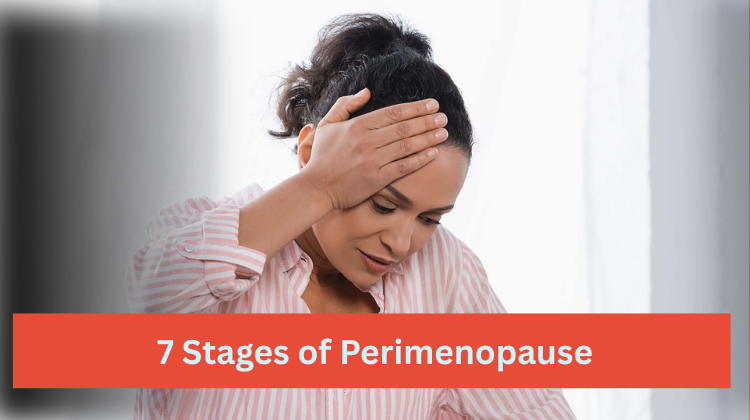
7 Stages of Perimenopause
Menopause is a natural phase in every woman’s life, but before it begins, the body undergoes a gradual transition known as perimenopause. This phase can span several years and is characterized by fluctuating hormones, noticeable physical changes, and emotional shifts. Gaining clarity about the 7 Stages of Perimenopause empowers women to recognize early signs, manage symptoms effectively, and take proactive steps toward better health.
In the sections below, we’ll walk through the 7 Stages of Perimenopause and explain what women can typically expect during each stage of this important transition.
1. Early Hormonal Changes
Perimenopause usually begins in the late 30s to early 40s. The ovaries gradually reduce estrogen and progesterone production, but menstrual cycles are still mostly regular. Subtle changes like mild mood swings, sleep issues, or slightly heavier periods may begin to appear.
2. Irregular Menstrual Cycles
One of the most common early signs is unpredictable menstrual cycles. Periods may come earlier, later, or even skip a month. Flow can also change — some women experience heavier bleeding, while others notice lighter cycles. These irregularities are a hallmark of hormonal imbalance.
3. Hot Flashes and Night Sweats
As estrogen levels fluctuate, many women begin experiencing vasomotor symptoms such as hot flashes and night sweats. These can disrupt sleep and affect daily comfort. Lifestyle changes, cooling techniques, and medical support can help manage these symptoms.
4. Emotional and Mental Health Shifts
Hormonal changes can influence mood and emotional well-being. Increased irritability, anxiety, or feelings of sadness are common. Some women also report difficulty concentrating or “brain fog.” Recognizing these changes early allows for coping strategies like stress management, exercise, or professional support.
5. Physical Body Changes
During mid-perimenopause, the body undergoes noticeable shifts:
- Weight gain around the abdomen
- Thinning hair or changes in skin texture
- Breast tenderness
- Vaginal dryness
These changes are linked to declining estrogen and may affect confidence, energy, and intimacy. Also Read: Premature Menopause in Women and Impact on Reproductive Health
6. Advanced Symptoms and Health Risks
As perimenopause progresses, symptoms become more consistent. Women may face bone density loss, joint aches, or changes in cholesterol levels. This is also when long-term health concerns, such as osteoporosis and heart disease, begin to surface if preventive steps are not taken.
7. Transition to Menopause
Perimenopause ends when a woman has gone 12 consecutive months without a period. This milestone marks the beginning of menopause. While symptoms like hot flashes may continue for a while, many women notice their bodies adjusting to the new hormonal balance over time.
Managing Perimenopause: Tips for a Healthier Transition
While perimenopause is unavoidable, its challenges can be managed:
- Maintain a balanced diet rich in calcium and vitamin D
- Stay active with weight-bearing exercises
- Practice relaxation techniques such as yoga or meditation
- Keep regular health check-ups for bone and heart health
- Consider medical advice for symptom relief, including hormone therapy if suitable
Final Thoughts
The 7 stages of perimenopause represent a gradual shift rather than a sudden event. Every woman’s journey is unique, but understanding these stages can help reduce anxiety and encourage proactive self-care. With the right lifestyle habits, emotional support, and timely medical guidance, perimenopause can become a smoother and more empowering transition. For personalized advice and expert care, consult Dr. Preeti Rastogi, Best Gynecologist in Gurgoan to learn more about managing perimenopause effectively.
This Blog can be helpful if you are looking for
1. What are the 7 stages of perimenopause?
Perimenopause treatment is divided into seven stages, starting from early hormonal changes to the final transition into menopause. These stages include subtle hormone shifts, irregular periods, hot flashes, emotional changes, sleep issues, physical changes like weight gain, and finally menopause itself.
2. How do I know if I’m entering perimenopause?
The first signs of perimenopause usually appear as mild hormonal changes. You may notice mood swings, slight changes in sleep patterns, or subtle cycle variations even while your periods are still regular.
3. Why do hot flashes and night sweats happen during perimenopause?
Hot flashes and night sweats are caused by fluctuating estrogen levels, which affect the body’s ability to regulate temperature. Many women experience sudden warmth, sweating at night, and disrupted sleep as part of this stage.
4. Can perimenopause affect emotional health?
Yes, perimenopause often impacts emotional and mental well-being. Women may feel mood swings, anxiety, irritability, or even brain fog due to hormonal changes. Managing stress and seeking support can make this stage easier to navigate.
5. When does perimenopause end and menopause begin?
Perimenopause officially ends when you have gone 12 months without a menstrual period. This marks the start of early menopause, when hormone levels settle at a new baseline, though some symptoms may continue for a while.