Navigating The Fourth Trimester: Night Sweats, Hair Loss, and Your Changing Body
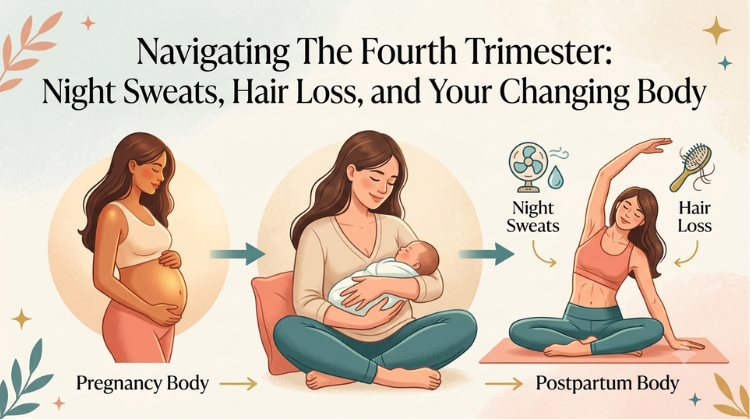
Navigating The Fourth Trimester: Night Sweats, Hair Loss, and Your Changing Body
The birth of a child is a monumental milestone, yet the weeks immediately following delivery bring an intense physiological transition known as the postpartum period. Successfully Navigating The Fourth Trimester requires a deep understanding of the sudden hormonal reset that occurs the moment the placenta is delivered. As estrogen and progesterone levels drop rapidly, the body undergoes a profound transformation that can trigger unsettling physical symptoms.
Many new mothers feel caught off guard by the abrupt shifts in their bodies. Rather than viewing these symptoms as failures, it is vital to recognize them as natural, evolutionary adaptations. By prioritizing evidence-based self-care and Navigating The Fourth Trimester with patience, you can manage these postpartum changes safely and reclaim your physical well-being.
1. The Science of Postpartum Fluid Regulation While Navigating The Fourth Trimester
One of the first physiological shocks new mothers experience is waking up completely drenched in sweat. While Navigating The Fourth Trimester, intense night sweats serve as the body’s primary method for shedding the massive volume of excess fluid retained during pregnancy.
During those nine months, maternal blood volume increases by nearly 50 percent. When pregnancy hormones drop after delivery, the kidneys and sweat glands work overtime to expel this extra water weight. To support your body through this natural detoxification process, implement these simple comfort strategies:
-
Prioritize Electrolyte Hydration: Drink plenty of filtered water to replace the fluids lost through sweat without depleting your mineral levels.
-
Choose Breathable Fabrics: Wear loose-fitting, natural cotton or bamboo sleepwear to regulate your body temperature during the night.
-
Optimize Your Sleep Space: Keep your bedroom cool and use layered, moisture-wicking sheets that can be easily changed.
2. Managing Postpartum Hair Shedding While Navigating The Fourth Trimester
Discovering clumps of hair in the shower drain can be distressing, but excessive shedding is a predictable part of Navigating The Fourth Trimester. This condition, clinically known as telogen effluvium, is tied directly to your changing hormone cycles.
During pregnancy, elevated estrogen levels keep your hair in a continuous growth phase, resulting in a thicker, healthier mane. Once those hormones drop after birth, a large number of hair follicles enter the resting (telogen) phase simultaneously, leading to noticeable hair thinning around three to four months postpartum. Reassure yourself that this shedding is temporary; your normal hair growth cycle will naturally balance out within the first year.
3. Addressing Changes in Intimacy and Libido While Navigating The Fourth Trimester
A low sex drive is a very common, yet rarely discussed, part of Navigating The Fourth Trimester. This sudden drop in libido is driven by biology, not a lack of affection for your partner.
High levels of prolactin—the hormone responsible for milk production—actively suppress ovulation and lower your estrogen levels. This hormonal combination often causes vaginal dryness and a low sex drive, which is further compounded by postpartum exhaustion and the emotional adjustments of caring for a newborn. Healing requires open communication with your partner, removing the pressure for immediate intimacy, and allowing your body the necessary time to recover.
4. Rebuilding Core Strength and Structural Alignment While Navigating The Fourth Trimester
Your physical structure undergoes significant changes during pregnancy, and your muscles need targeted care during recovery. When Navigating The Fourth Trimester, mothers frequently experience pelvic floor weakness and diastasis recti (the separation of the abdominal wall).
Forcing your body back into an intense exercise routine too quickly can strain your healing tissues and lead to long-term injuries. Instead, focus on gentle, restorative movements like deep diaphragmatic breathing and pelvic floor stabilization. This mindful approach helps rebuild your deep core muscles safely from the inside out.
5. Prioritizing Mental Health and Emotional Balance While Navigating The Fourth Trimester
The intense drop in hormones after birth affects more than just your physical body; it directly impacts your emotional well-being too. While Navigating The Fourth Trimester, many mothers experience the “baby blues,” characterized by sudden mood swings, anxiety, and unexplained crying spells.
While these initial emotional shifts usually fade within a few weeks, persistent feelings of overwhelming anxiety or sadness may point to postpartum depression. Navigating The Fourth Trimester successfully means recognizing when you need extra support. Creating a reliable care network and speaking openly with specialized healthcare professionals ensures you receive the essential guidance needed to protect your mental health.
Conclusion: Expert Clinical Care for Your Postpartum Recovery
The postpartum journey demands clinical empathy, accurate diagnostics, and personalized recovery roadmaps. Safely Navigating The Fourth Trimester becomes a reassuring experience when guided by a trusted medical expert who understands the complexities of the female body. For women seeking elite gynecological care in Delhi NCR, partnering with Dr. Preeti Rastogi ensures a gold-standard recovery path. As a highly respected Senior Consultant and Director of Obstetrics and Gynecology, Dr. Preeti Rastogi utilizes over two decades of international clinical experience to help mothers manage postpartum transitions, restore hormonal balance, and heal completely.
Successfully navigating your fourth trimester recovery involves understanding the profound postpartum body changes that happen immediately after birth. In the initial weeks, dealing with sudden postpartum night sweats and later experiencing postpartum hair loss can be alarming, but these are natural results of the major postpartum hormone crash. To manage this phase safely, proper postpartum bleeding management is essential; tracking your lochia recovery tips closely helps ensure your uterus is healing correctly. Mothers recovering from a vaginal birth will benefit from targeted perineal soreness relief, while those who had a surgical delivery must focus on proper C section scar healing to prevent long-term complications.
Emotional health is just as critical as physical healing during this transition. It is vital to distinguish between temporary baby blues symptoms and more persistent postpartum depression signs or intense postpartum anxiety triggers. For physical rehabilitation, introducing gentle pelvic floor rehab and safe pelvic floor exercises after birth will help restore your core stability. Additionally, consulting a comprehensive postnatal vitamin guide and seeking breastfeeding supply support will give your body the fuel it needs while managing postpartum fatigue. Embracing practical newborn bonding tips creates a comforting environment for both you and your baby. For expert, personalized guidance through this delicate phase, seeking Medanta Gurgaon gynae care from the best gynaecologist in Gurgaon ensures you have top-tier medical support every step of the way.
#PostpartumHormoneCrash #TelogenEffluvium #PostpartumNightSweats #LowLibidoAfterBirth #PlacentaDeliveryHormones #PostpartumFluidRetention #EstrogenDropSymptoms #ProgesteroneReset #FourthTrimesterCare #PelvicFloorRehabilitation #DiastasisRectiRecovery #BabyBluesVsPostpartumDepression #PostpartumThyroiditis #GurgaonGynecologist #DrPreetiRastogi #MaternalHealthConsultant #PostpartumAnemia #VaginalDrynessSolutions #BreastfeedingHormones #ProlactinEffects #NewMomSelfCare #HormonalImbalancePostpartum #PostpartumBodyChanges #PelvicHealthGurgaon #ObstetricsExpertDelhiNCR #PostpartumWellnessGuide #HealthyPostpartumRecovery #EstrogenDeficiency #PostpartumAnxietySupport #CoreRestorationAfterBirth #WomenHealthClinicGurgaon
FAQ
Q1: Why do postpartum night sweats occur, and how can a top gynecologist help in Navigating The Fourth Trimester?
Postpartum night sweats are caused by a sudden drop in estrogen and progesterone immediately after the placenta is delivered, forcing the body to rapidly expel excess pregnancy fluids. When Navigating The Fourth Trimester, a top gynecologist evaluates your thyroid function and fluid retention to rule out secondary complications, offering custom lifestyle and nutritional adjustments to stabilize your recovery.
Q2: What causes severe postpartum hair loss, and what solutions are available during Navigating The Fourth Trimester?
Postpartum hair loss, or telogen effluvium, happens when plunging estrogen levels cause hair follicles that stayed in the growth phase during pregnancy to shed all at once. While Navigating The Fourth Trimester, this shedding is entirely normal. Consulting a specialist ensures your blood profiles are checked for underlying issues like iron deficiency anemia or postpartum thyroiditis, both of which can worsen hair thinning.
Q3: Why is libido low after childbirth, and how should couples approach intimacy while Navigating The Fourth Trimester?
Low libido is driven by high prolactin levels during breastfeeding, which suppress estrogen and cause vaginal dryness, physical exhaustion, and low sexual desire. Navigating The Fourth Trimester requires patience and low-pressure communication. A specialized gynecologist can recommend safe, localized pelvic therapies and body-identical solutions to ease discomfort and support a healthy recovery.
Q4: How can a mother distinguish between standard baby blues and postpartum depression when Navigating The Fourth Trimester?
The baby blues typically emerge a few days after delivery and resolve naturally within two weeks as your hormones begin to stabilize. If you experience persistent anxiety, severe mood swings, or trouble bonding with your newborn while Navigating The Fourth Trimester, it may indicate postpartum depression. Seeking prompt professional screening ensures access to dedicated medical care and emotional support.
Q5: Why is Dr. Preeti Rastogi considered the best gynecologist in Gurgaon for managing postpartum hormonal crashes?
Dr. Preeti Rastogi is highly regarded as a premier gynecologist in Gurgaon due to her extensive international training (including prestigious fellowships in the UK) and over 20 years of clinical expertise. Her patient-first approach combines advanced diagnostics with specialized endocrine protocols, making her the top choice for mothers navigating the complex physical and emotional changes of the postpartum period.