What Is the Best Time to Get Pregnant After Your Period
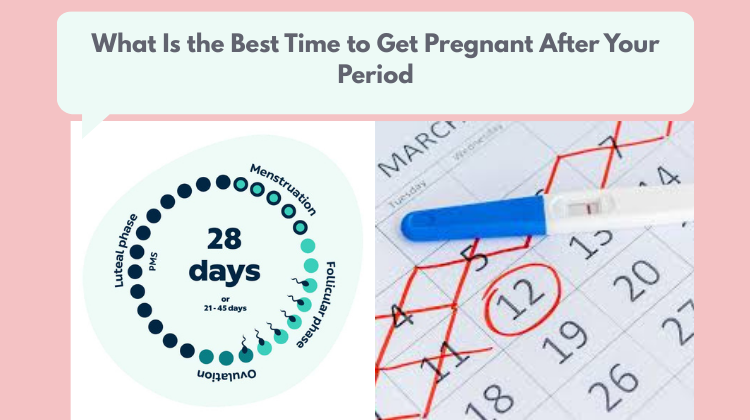
When a woman is trying to conceive, one of the most common questions is: “After my period ends, what is the Best Time to Get Pregnant?” Understanding your menstrual cycle and fertile window plays a crucial role in improving your chances of conception.
In this blog, Dr. Preeti Rastogi — recognized as one of the best gynae specialists in Gurgaon — explains when the best time to get pregnant occurs, why timing is important, and shares effective tips to help you enhance your fertility naturally.
Understanding the Menstrual Cycle: A Quick Recap
Before we dive into the “best time,” here’s a brief overview of how a typical menstrual cycle works (this is a generalized model; individual cycles may vary).
- Menstrual phase (Day 1 to ~5): The first day of bleeding is counted as Day 1. During the menstrual phase, the uterine lining (endometrium) is shed.
- Follicular (pre-ovulatory) phase (Day ~6 to ~14): The body starts preparing an egg for release. Follicle Stimulating Hormone (FSH) stimulates follicle growth in the ovaries.
- Ovulation (around mid-cycle): One dominant follicle releases an egg (ovum). This is the most fertile time.
- Luteal (post-ovulatory) phase (Day ~15 to ~28): The corpus luteum forms and secretes progesterone to support a potential pregnancy. If fertilization doesn’t occur, the cycle resets with menstruation.
In a textbook 28-day cycle, ovulation typically happens around Day 14. But many women have cycles that are shorter or longer, or slightly irregular.
When After Your Period Is Your Fertile Window?
The “fertile window” refers to the days in your menstrual cycle when conception is most likely, and understanding it is essential to determine the Best Time to Get Pregnant. Here’s what you should know:
- Sperm can survive inside the female reproductive tract for approximately 3–5 days under favorable conditions.
- Once released during ovulation, the egg remains viable for about 12–24 hours.
- Therefore, the fertile window is typically considered to be the 4–5 days leading up to ovulation plus the day of ovulation itself.
This means that even after your period has ended, you may still be in the pre-fertile phase depending on your cycle length. For example:
- If your period lasts five days and you have a 28-day cycle, ovulation usually occurs around Day 14. In this case, your fertile window may begin around Day 10 — roughly five days after your period ends.
- If you have a shorter cycle, such as 24 days, ovulation may occur around Day 10 or 11, bringing your fertile window closer to the end of your period or immediately after.
Therefore, there is no single “Best Time to Get Pregnant” that applies to every woman after her period ends — it varies based on individual cycle length, ovulation timing, and overall reproductive health.
Signs & Tools to Help Pinpoint Ovulation
To better estimate your fertile window, you can use a combination of signs and tools:
| Method | What it Shows / How It Helps | Limitations / Notes |
|---|---|---|
| Basal Body Temperature (BBT) | After ovulation, slight temperature rise (about 0.3–0.5 °C) can be detected. | You catch this only after ovulation, so it helps confirm but not predict. |
| Cervical mucus monitoring | Before ovulation, mucus becomes clear, slippery, stretchy (like egg whites) — best for sperm mobility. | Must observe daily; some women find this harder. |
| Ovulation predictor kits (OPKs) | Detect LH (luteinizing hormone) surge ~24–36 hours before ovulation. | Good indicator, but can give false positives (e.g. in women with PCOS). |
| Ultrasound / hormone tests (clinical methods) | In fertility clinics, doctors may monitor follicles via ultrasound or measure hormone levels. | More precise, but costly and requires medical supervision. |
By combining these methods, you can more accurately pinpoint your ovulation window and determine the Best Time to Get Pregnant, increasing your chances of successful conception.
So, What’s the “Best Time” After Period for Getting Pregnant?
Putting it all together, here’s how you can think of it:
- In a regular cycle (say 28 days), your best chance of conception will often be 5–10 days after your period ends, depending on exactly when your ovulation occurs.
- If your cycles are irregular, shorter, or longer, this window may shift earlier or later.
- To maximize your probability, couples trying to conceive are often advised to have intercourse every 1–2 days during the expected fertile window, rather than trying only one “perfect” day.
So after your period stops, you may want to start monitoring signs around Day 6 or Day 7 onward — tracking your mucus, use an OPK, etc. Once signs of ovulation begin (e.g. LH surge, change in mucus), that’s when the frequent intercourse is most beneficial.
Factors That Can Affect Fertility and the Best Time to Get Pregnant
Even with perfect timing, conception is not guaranteed every cycle. Some factors that can affect fertility include:
- Age: Fertility gradually declines after the early 30s, more sharply after mid-30s.
- Hormonal imbalances: Conditions like PCOS, thyroid disorders, or luteal phase defects.
- Uterine / ovarian health: Fibroids, endometriosis, ovarian reserve, structural anomalies.
- Lifestyle factors: Body weight (too low or too high BMI), smoking, alcohol, stress, sleep, etc.
- Underlying fertility issues: Low sperm quality or count, tubal factor, etc.
If you have been actively trying to conceive for 6 to 12 months (depending on your age) without success, it’s wise to consult a fertility specialist. Also Read: Healthy Indian Pregnancy Diet Plan for Women
Dr. Preeti Rastogi’s Approach: Personalized Fertility Guidance
As one of the best gynae specialists in Gurgaon with over 25 years’ experience and expertise in infertility treatment, Dr. Preeti Rastogi emphasizes that each woman’s cycle and physiology is unique.
Her approach includes:
- Detailed cycle analysis (history, cycle length, ovulation patterns)
- Hormonal profiling and ultrasound monitoring when needed
- Lifestyle and nutritional counselling to optimize fertility
- Assisted fertility options (IUI, IVF) when natural conception is challenging
Her reputation in Gurgaon and the NCR region is strong — many refer to her as a top choice when seeking expert gynecological and fertility care. (Dr. Preeti Rastogi)
If you’re in Gurgaon, Dr. Preeti Rastogi can provide customized medical guidance to help you identify the Best Time to Get Pregnant naturally and safely.
Tips to Improve Chances of Conception
Here are some general tips (in line with what fertility experts like Dr. Rastogi often recommend):
- Maintain a healthy weight & BMI
- Follow a balanced diet, rich in folate, antioxidants, and good proteins
- Manage stress — practices like yoga, meditation can help hormonal balance
- Avoid smoking, excessive caffeine, and alcohol
- Ensure good sleep and regular exercise
- Have intercourse every 1–2 days during fertile window (rather than just once)
- Track your cycle consistently (mucus, BBT, OPKs)
- Speak to a gynecologist early if you have irregular cycles, history of PCOS, endometriosis, or have been trying without success
When to Seek Expert Help
It’s reasonable to seek a fertility evaluation earlier if:
- You are over 35 and trying for 6 months without success
- You have irregular or absent periods
- You have known gynecological conditions (PCOS, endometriosis, uterine fibroids, tubal disease)
- You or your partner has a known fertility factor (e.g. low sperm count)
With proper investigation, diagnosis, and management, many couples go on to achieve successful pregnancy. Consult Dr. Preeti Rastogi for personalized guidance to understand your Best Time to Get Pregnant and improve your chances of conception.
Conclusion
- There is no universal “best time” to get pregnant right after your period ends — it depends on when you ovulate.
- The fertile window (about 5 days before ovulation + the day of ovulation) is what matters most.
- Tracking ovulation signs and using tools like OPKs or BBT can help you better time intercourse.
- Consulting a skilled gynecologist or fertility specialist is key — especially if conception doesn’t happen after several cycles.
Dr. Preeti Rastogi, widely regarded as one of the best gynae in Gurgaon, is a trusted specialist for women looking for personalized fertility guidance and expert care.
This Blog can be helpful if you are looking for
Q1: What are the earliest signs of pregnancy women should notice after their period?
Early signs of pregnancy after a period may include a missed menstrual cycle, mild cramping, breast tenderness, nausea, and fatigue. These symptoms appear due to hormonal changes after conception. Recognizing these early signs helps women confirm pregnancy quickly and seek timely prenatal care. To learn your Best Time to Get Pregnant based on your unique health and cycle, seek professional consultation from Dr. Preeti Rastogi.
Q2: How does ovulation timing affect the chances of getting pregnant after your period?
Ovulation timing is crucial for conception, as the fertile window typically occurs 12–16 days after the first day of your period. Understanding this timing allows women to plan intercourse during peak fertility, improving the chances of pregnancy. A gynecologist can guide personalized fertility tracking for better outcomes.Learning about the Best Time to Get Pregnant empowers women to make informed reproductive decisions and improve pregnancy outcomes.
Q3: Can mild spotting indicate early pregnancy after your period?
Mild spotting, often called implantation bleeding, can occur 6–12 days after ovulation and may indicate early pregnancy. Unlike normal menstrual bleeding, this spotting is usually lighter and shorter in duration. Observing this alongside other pregnancy signs like nausea or breast tenderness can help women identify early pregnancy. For expert and individualized advice on the Best Time to Get Pregnant, schedule a consultation with Dr. Preeti Rastogi.
Q4: How do breast changes signal early pregnancy after ovulation?
Breast changes such as tenderness, swelling, or darkened areolas often appear in early pregnancy due to hormonal shifts preparing the body for lactation. These changes may occur shortly after ovulation and serve as one of the initial signs of pregnancy, especially when combined with fatigue or nausea.
Q5: Why is monitoring body temperature useful for detecting pregnancy after your period?
Monitoring basal body temperature helps detect ovulation and early pregnancy, as a sustained rise in temperature after ovulation may indicate conception. Tracking temperature along with other signs like missed periods or nausea allows women to identify early pregnancy and seek prenatal care promptly. Understanding the Best Time to Get Pregnant can significantly improve your chances of conception by helping you plan intercourse during your most fertile days.