What is “Benign” Gynecology? Common Conditions Every Woman Should Know
When we hear the word “medical condition,” our minds often jump to the most serious scenarios. However, in the world of women’s health, a large majority of issues fall under the category of Benign Gynecology. But what does “benign” actually mean for your health?
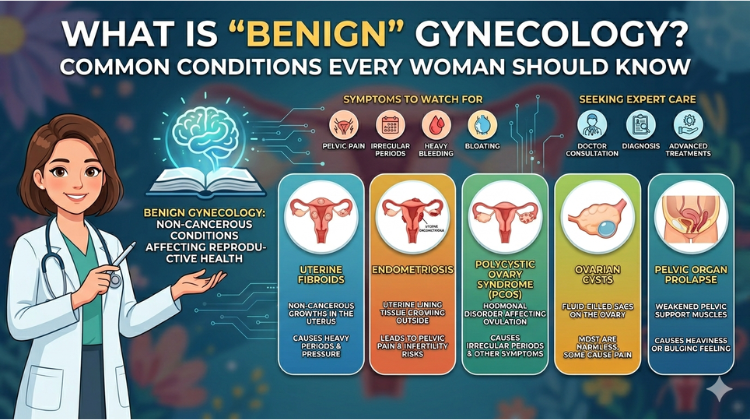
Simply put, Benign Gynecology refers to non-cancerous conditions affecting the female reproductive system. While these conditions are not life-threatening in the way cancer is, they can significantly impact your quality of life, comfort, and fertility. Understanding Benign Gynecology is the first step toward reclaiming your well-being.
Why Understanding Benign Gynecology Matters
Many women suffer in silence with pelvic pain or heavy periods, thinking it’s just a normal part of being a woman. However, seeking help from the best gynaecologist in Gurgaon, such as Dr. Preeti Rastogi, can provide the clarity and relief you deserve. Early diagnosis of Benign Gynecology issues ensures that simple treatments can prevent long-term complications.
1. Uterine Fibroids: A Common Benign Growth
Uterine fibroids are perhaps the most well-known example of Benign Gynecology. These are non-cancerous growths of the uterus that often appear during childbearing years.
-
Symptoms: Heavy menstrual bleeding, prolonged periods, and pelvic pressure.
-
Fact: Most fibroids don’t require surgery and can be managed with medication or minimally invasive procedures.
2. Endometriosis and Pelvic Pain
Endometriosis is a leading topic in Benign Gynecology. It occurs when tissue similar to the uterine lining grows outside the uterus. This can cause intense pain and is a major focus for any gynaecologist in Gurugram specializing in reproductive health.
3. Polycystic Ovary Syndrome (PCOS)
PCOS is a hormonal disorder common among women of reproductive age. It is a cornerstone of Benign Gynecology care, involving irregular periods, excess androgen levels, and ovarian cysts. Managing PCOS early is vital for metabolic health and fertility.
4. Ovarian Cysts
Most ovarian cysts are functional and disappear on their own. However, within the field of Benign Gynecology, some cysts may require monitoring or removal if they cause persistent bloating or sharp pelvic pain.
5. Pelvic Organ Prolapse
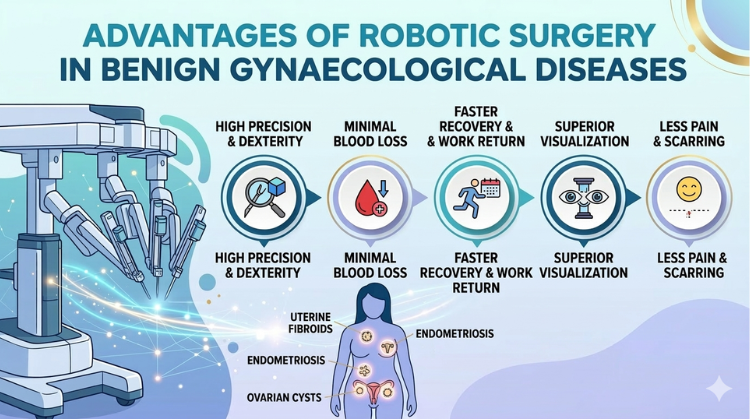
Often occurring after childbirth or menopause, prolapse happens when pelvic muscles weaken. This Benign Gynecology condition can cause a feeling of “heaviness” but is highly treatable through pelvic floor therapy or advanced surgery. Also Read: 5 Reasons to Choose Robotic Surgery for Benign Gynae Conditions: The Future of Women’s Healthcare
Seeking Expert Care in Gurgaon
When dealing with Benign Gynecology, the expertise of your doctor makes all the difference. Dr. Preeti Rastogi is widely recognized as the best gynaecologist in Gurgaon, offering compassionate care for everything from routine check-ups to complex robotic surgeries for benign conditions.
Whether you are struggling with heavy menstrual bleeding, irregular cycles, or pelvic discomfort, her clinic at www.drpreetirastogi.com provides a safe space for diagnosis and advanced treatment.
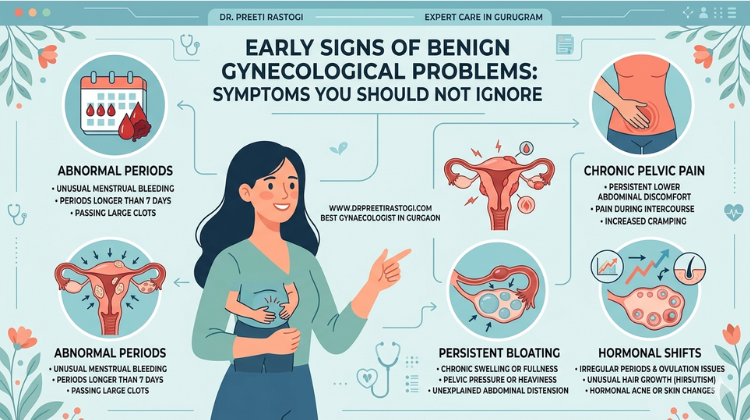
Common Symptoms to Discuss with Your Gynaecologist:
-
Persistent pelvic pain or pressure.
-
Abnormal vaginal discharge or spotting between periods.
-
Pain during intercourse (Dyspareunia).
-
Frequent urinary tract infections or bladder pressure.
Conclusion: Don’t Ignore the “Benign”
While Benign Gynecology conditions are non-cancerous, they are not “minor.” They affect your energy, your mood, and your future. By choosing a specialist like Dr. Preeti Rastogi, you ensure that your reproductive health is in the hands of the best gynaecologist in Gurgaon.
Are you experiencing any of these symptoms? Don’t wait. Schedule a consultation today to explore the most advanced, patient-centric treatments for Benign Gynecology.
#BestGynaecologistInGurgaon #DrPreetiRastogi #GurgaonWomensHealth #NonCancerousGynaeConditions #UterineFibroidsTreatment #EndometriosisSpecialistGurgaon #PCOSManagementIndia #OvarianCystSurgery #PelvicPainRelief #HeavyPeriodSolutions #LaparoscopicSurgeonGurgaon #HormonalImbalanceTreatment #GynaecologyClinicGurgaon #VaginalHealthTips #FemaleReproductiveHealth #MenstrualDisorders #AdenomyosisTreatment #FibroidRemovalGurgaon #RoboticGynaecologySurgery #PostMenopausalHealth #PelvicFloorHealth #GurgaonMoms #WomensWellnessClinic #FertilityIssuesGurgaon #IrregularPeriodsTreatment #GynaecologyConsultation #MinimallyInvasiveSurgery #UterineHealth #WomenHealthcareProfessional #GurgaonDoctorReviews
FAQs
1. What is the difference between benign and malignant gynecology?
Benign Gynecology refers to non-cancerous conditions such as fibroids, cysts, or endometriosis. While they are not life-threatening like malignant (cancerous) conditions, they can cause chronic pain or fertility issues. For an accurate diagnosis in Gurugram, consulting a specialist like Dr. Preeti Rastogi is recommended.
2. Who is the best gynaecologist in Gurgaon for fibroid treatment?
Dr. Preeti Rastogi is widely considered the best gynaecologist in Gurgaon for treating uterine fibroids. She specializes in minimally invasive and robotic surgeries that allow women to recover faster while effectively managing Benign Gynecology growths.
3. Can benign gynecological conditions cause infertility?
Yes. Certain Benign Gynecology conditions like PCOS, endometriosis, and large uterine fibroids can interfere with conception. Early intervention and personalized treatment plans from an expert gynaecologist at www.drpreetirastogi.com can help restore reproductive health and improve fertility chances.
4. What are the signs I should see a gynaecologist in Gurgaon?
You should visit a gynaecologist in Gurgaon if you experience persistent pelvic pain, unusually heavy menstrual bleeding, painful intercourse, or irregular cycles. These are often symptoms of Benign Gynecology conditions that are highly treatable when caught early.
5. Is surgery always required for Benign Gynecology conditions?
No. Many Benign Gynecology issues like PCOS or small fibroids can be managed through lifestyle changes, hormonal therapy, or medication. Surgery is typically a secondary option when non-invasive treatments do not provide relief. Dr. Preeti Rastogi focuses on conservative management first.