Post-Menopausal Symptoms That Need Medical Attention
Post-Menopausal Symptoms That Need Medical Attention. Menopause marks the end of a woman’s menstrual cycle, typically occurring between the ages of 45 and 55. Once you have gone 12 months without a period, you enter post-menopause. While many physical and emotional changes during this stage are normal, certain symptoms should never be ignored.
Post-menopausal women are at a higher risk of several health conditions due to declining estrogen levels, and early detection can make a significant difference in long-term well-being.
This blog highlights the post-menopausal symptoms that require medical attention and explains why timely care is essential.
Understanding Post-Menopause
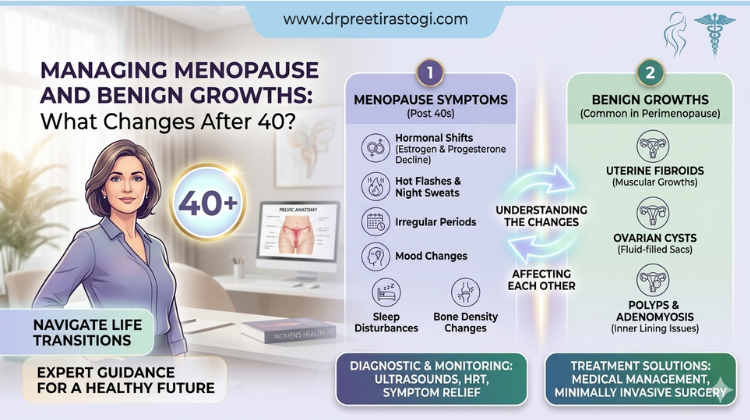
After menopause, the body’s hormone levels — especially estrogen and progesterone — drop significantly. This shift can trigger a range of symptoms, from mild discomfort to conditions that require medical care.
While many symptoms are manageable through lifestyle changes, some may indicate underlying issues such as hormonal disorders, infections, cardiovascular concerns, or even early signs of cancer.
Common Post-Menopausal Symptoms (Usually Manageable)
These symptoms are often expected and may not require urgent medical consultation unless they worsen:
- Hot flashes and night sweats
- Vaginal dryness or discomfort
- Mild sleep disturbances
- Reduced libido
- Slower metabolism and weight gain
- Mild mood swings
- Joint stiffness
- Hair thinning or skin dryness
Though common, these symptoms can still affect quality of life and may benefit from medical guidance if they persist.
Post-Menopausal Symptoms That Need Medical Attention
1. Vaginal Bleeding After Menopause
This is the most important warning sign.
Any bleeding — even light spotting — after menopause is abnormal.
It may be caused by polyps, hormonal imbalances, uterine lining changes, or in some cases, cancer. Early evaluation is crucial to rule out serious conditions.
2. Persistent Pelvic or Abdominal Pain
Ongoing pelvic pain, pressure, or bloating is not typical after menopause.
These symptoms could signal:
- Ovarian issues
- Fibroids
- Pelvic infections
- Digestive problems
- Tumors or growths
Do not ignore persistent or severe pain.
3. Frequent or Painful Urination
While mild urinary changes are common due to lower estrogen levels, the following require medical attention:
- Burning sensation while urinating
- Persistent urgency
- Frequent urinary tract infections
- Incontinence that suddenly worsens
These may point to infections, bladder disorders, or pelvic-floor problems.
4. Unexplained Weight Loss
Many women gain weight after menopause due to slower metabolism.
However, unexpected weight loss without changes in diet or activity levels may indicate:
- Thyroid problems
- Diabetes
- Digestive disorders
- Chronic infections
- Certain cancers
It is a red flag and must be assessed promptly. Also Read:Does Menopause Cause Weight Gain?
5. Severe Mood Changes or Depression
Emotional changes can occur during menopause, but the following deserve attention:
- Persistent sadness
- Severe anxiety
- Sudden mood changes
- Loss of interest in daily activities
- Thoughts of self-harm
These may be linked to hormonal imbalance or mental health conditions that require timely treatment.
6. Bone Pain or Frequent Fractures
Post-menopausal women are at higher risk of osteoporosis due to reduced estrogen.
Warning signs include:
- Back pain
- Decreased height
- Fragile bones
- Fractures from minor falls
A bone-density test and early treatment can prevent long-term complications. Having Post-Menopausal Symptoms? Consult Dr. Preeti Rastogi.
7. Shortness of Breath or Chest Discomfort
Any new or persistent chest pain, breathlessness, fatigue, or palpitations should be taken seriously.
Post-menopausal women have a higher risk of:
- Heart disease
- High blood pressure
- High cholesterol
Early cardiac evaluation can prevent severe events like heart attacks. Having Post-Menopausal Symptoms? Consult Dr. Preeti Rastogi.
8. Changes in Breast Appearance
Even after menopause, women must continue monitoring breast health.
Seek medical advice if you notice:
- New lumps
- Skin changes
- Nipple discharge
- Breast pain
- Visible changes in shape or size
Regular screenings are important during post-menopausal years.
Why Early Medical Attention Matters
- Helps detect serious conditions at an early stage
- Prevents long-term complications, especially bone and heart diseases
- Improves overall quality of life
- Ensures correct diagnosis and treatment
- Reduces risk of advanced gynecological issues
Ignoring symptoms may delay crucial treatment and increase health risks. Having Post-Menopausal Symptoms? Consult Dr. Preeti Rastogi.
How to Stay Healthy in Post-Menopause
- Get regular health checkups and screenings
- Maintain a balanced diet rich in calcium and vitamin D
- Exercise regularly, especially weight-bearing activities
- Sleep 7–8 hours daily
- Manage stress through yoga, meditation, or deep breathing
- Avoid smoking and limit alcohol
- Track unusual symptoms and discuss them with your doctor
Final Thoughts
Post-menopause is a natural stage of life, but it shouldn’t be accompanied by fear or uncertainty. While many symptoms are normal, certain warning signs should never be ignored. Dr. Preeti Rastogi is best Gynaecologist in Medanta Gurgaon.
Your body often gives early signals — listening to them can protect your long-term health.
If you notice abnormal bleeding, persistent pain, urinary problems, sudden weight loss, bone weakness, severe mood changes, or breast abnormalities, consult your doctor promptly. Having Post-Menopausal Symptoms? Consult Dr. Preeti Rastogi.
This Blog can be helpful if you are looking for
Q1: What post-menopausal symptoms require immediate medical attention in Gurgaon?
Post-menopausal symptoms requiring urgent medical attention in Gurgaon include abnormal bleeding, severe pelvic pain, persistent hot flashes, and unusual vaginal discharge. Consulting a qualified gynecologist in Gurgaon ensures early diagnosis and proper treatment to prevent serious complications.
Q2: Is post-menopausal bleeding normal and when should I see a gynecologist in Gurgaon?
Post-menopausal bleeding is not normal and should always be evaluated by a gynecologist in Gurgaon. Even light spotting may indicate underlying conditions, and early medical assessment helps ensure accurate diagnosis and timely treatment.
Q3: How are severe post-menopausal symptoms diagnosed by the best gynecologist in Gurgaon?
Severe post-menopausal symptoms are diagnosed through pelvic examination, ultrasound, and hormone tests. The best gynecologist in Gurgaon evaluates medical history and symptoms carefully to provide accurate diagnosis and personalized treatment.
Q4: What is the best treatment for post-menopausal symptoms in Gurgaon?
The best treatment for post-menopausal symptoms in Gurgaon depends on symptom severity and health history. Options may include hormone therapy, medications, and lifestyle changes recommended by an experienced gynecologist for safe and effective relief.
Q5: How do I choose the best gynecologist in Gurgaon for post-menopausal care?
Choose the best gynecologist in Gurgaon by considering experience in menopausal health, advanced diagnostic facilities, and positive patient reviews. Personalized consultation and clear communication ensure effective management of post-menopausal symptoms.
Q6: Can vaginal dryness after menopause be treated by a gynecologist in Gurgaon?
Yes, vaginal dryness after menopause can be effectively treated by a gynecologist in Gurgaon using hormone therapy, vaginal moisturizers, or other targeted treatments. Early consultation helps relieve discomfort, pain during intercourse, and recurrent infections.
Q7: Why do hot flashes worsen after menopause and when should I see a gynecologist in Gurgaon?
Hot flashes after menopause occur due to hormonal imbalance, especially reduced estrogen levels. If they are severe, frequent, or disturb sleep, consult a gynecologist in Gurgaon for proper evaluation and personalized symptom management.
Q8: What tests are recommended for post-menopausal health check-ups in Gurgaon?
Post-menopausal health check-ups in Gurgaon may include pelvic ultrasound, Pap smear, hormone tests, and bone density screening. A qualified gynecologist recommends appropriate investigations based on symptoms and overall health condition.
Q9: Can post-menopausal pelvic pain indicate a serious condition in Gurgaon?
Yes, post-menopausal pelvic pain may indicate infections, fibroids, or other gynecological concerns. Consulting an experienced gynecologist in Gurgaon ensures timely diagnosis and appropriate treatment to prevent complications.
Q10: Is hormone replacement therapy safe for post-menopausal symptoms in Gurgaon?
Hormone replacement therapy for post-menopausal symptoms in Gurgaon is safe when prescribed after proper evaluation. A skilled gynecologist assesses medical history, risks, and benefits before recommending customized hormone therapy.