Foods to Eat After Delivery to Maintain Weight
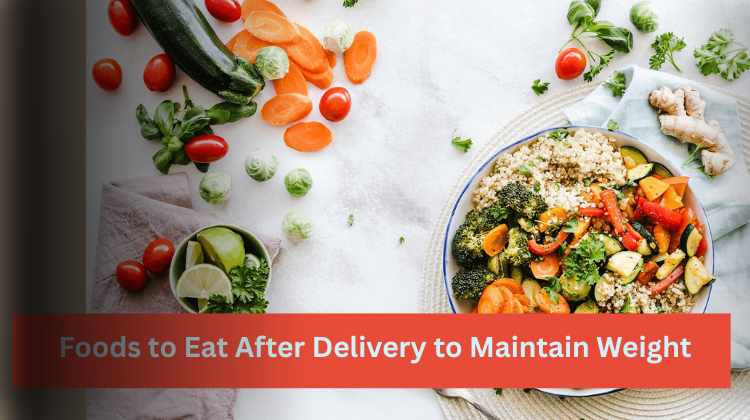
After delivery, a woman’s body undergoes significant physical and hormonal changes. Just as selecting the right foods to eat during pregnancy plays a crucial role in maternal and fetal well-being, choosing the best foods to eat after delivery to maintain weight is equally important for postnatal recovery. During this critical phase, many new mothers are concerned about proper nutrition — how to regain strength, support breastfeeding, and maintain a healthy body weight.
While it is natural to wish to return to your pre-pregnancy body, it is essential to prioritize balanced nutrition over crash dieting. Similar to how nutritious foods during pregnancy support overall health, a well-planned postnatal diet aids tissue healing, boosts milk production, and helps your body gradually return to its natural, healthy weight.
This guide highlights the best foods to eat after delivery to maintain energy levels, enhance recovery, and manage weight in a healthy and sustainable way.
1. Start with a Balanced Diet
After childbirth, your body requires additional nutrients to heal, regain strength, and support breastfeeding, which is why choosing the right Foods to Eat After Delivery to Maintain Weight is essential for postpartum recovery. Focus on a well-balanced diet that includes whole grains, lean proteins, healthy fats, and nutrient-rich fruits and vegetables to nourish your body properly.
Including the right Foods to Eat After Delivery to Maintain Weight helps you feel fuller for longer, reduces cravings, prevents overeating, and supports a healthy, active metabolism for gradual and sustainable postpartum weight management.
2. Protein-Rich Foods for Recovery and Muscle Strength
Protein is the building block of cells and is essential for tissue repair and recovery after delivery. It also keeps you satiated, which can prevent unnecessary snacking.
Include:
- Lentils, beans, and chickpeas
- Eggs (especially boiled or poached)
- Lean meats like chicken or fish
- Paneer, tofu, and Greek yogurt
- Nuts and seeds
Aim for at least 2–3 servings of protein-rich foods daily to support healing and muscle strength.
3. Whole Grains for Energy and Weight Control
Whole grains release energy slowly, helping stabilize blood sugar levels and control hunger pangs. They also provide fiber, which aids digestion and prevents constipation — a common postpartum issue.
Best options include:
- Brown rice
- Oats
- Quinoa
- Millet (ragi, jowar, bajra)
- Whole wheat roti or multigrain bread
These complex carbs also help fuel your body during breastfeeding.
4. Healthy Fats to Support Hormone Balance
Healthy fats are essential for hormone regulation, brain function, and sustained energy levels. They also play a crucial role in supporting healthy breast feeding and overall postpartum recovery.
Choose good fats such as:
- Avocado
- Nuts (almonds, walnuts)
- Seeds (chia, flax, sunflower)
- Olive oil, coconut oil, or ghee (in moderation)
- Fatty fish like salmon or sardines (rich in omega-3)
Avoid trans fats, deep-fried snacks, and processed foods that add empty calories.
5. Fiber-Rich Fruits and Vegetables
Fruits and vegetables form a key part of the Foods to Eat After Delivery to Maintain Weight, as they are packed with essential vitamins, minerals, and fiber that support recovery and promote a healthy metabolism. Adequate fiber intake also aids digestion, prevents bloating, and makes postpartum weight management more comfortable and sustainable.
Include:
- Leafy greens like spinach, kale, and fenugreek
- Colorful veggies like carrots, beetroot, and bell peppers
- Fruits such as apples, papaya, oranges, pomegranate, and berries
Try to include five portions of fruits and vegetables every day for balanced nutrition.
6. Hydration is Key
Adequate hydration is essential for breastfeeding mothers. Water helps maintain milk supply, supports digestion, and aids in fat metabolism.
Drink at least 8–10 glasses of water daily, and include fluids like:
- Herbal teas (fennel, cumin, or ginger)
- Buttermilk or coconut water
- Warm soups and broths
Avoid sugary drinks, sodas, and excess caffeine, as they can lead to dehydration and unnecessary calorie intake.
7. Iron and Calcium-Rich Foods
Post-delivery, your body may have low iron and calcium levels due to blood loss and breastfeeding demands. These nutrients are crucial for strength, energy, and bone health.
Good sources include:
- Iron: dates, jaggery, lentils, red meat, spinach
- Calcium: milk, yogurt, sesame seeds, ragi, almonds
A balanced intake prevents fatigue and supports overall recovery.
8. Smart Snacking Choices
Postpartum hunger can be strong, especially for breastfeeding mothers. Instead of reaching for sugary snacks, choose nutrient-dense options like:
- Roasted chickpeas or makhana
- Fresh fruit with nut butter
- Yogurt with seeds
- Vegetable soups or smoothies
These snacks keep you energized without causing weight gain. Also Read: Benefits of Breastfeeding for Babies and Mothers
9. Avoid Crash Diets
It’s important not to rush weight loss after delivery. Rapid dieting can affect milk supply and leave you feeling weak. Focus on steady, gradual weight loss — around 0.5 kg per week is considered healthy.
Let your body heal and recover naturally. Combine healthy eating with gentle physical activity (like walking or yoga) once your doctor gives approval.
10. Include Traditional Healing Foods (in Moderation)
Many cultures have traditional postpartum foods like ajwain water, methi laddoos, gond ladoos, and haldi milk — rich in healing properties. These can be included in moderation, as they help strengthen the body and improve immunity.
However, watch portion sizes and sugar content to avoid excess calories.
Sample Post-Delivery Meal Plan (for Weight Maintenance)
Some recommended Indian Diet and Foods to Eat after delivery to maintain weight:
Morning:
Warm water with lemon or cumin seeds + soaked almonds
Breakfast:
Oats porridge with fruits or vegetable poha
Mid-Morning Snack:
Coconut water or a fruit smoothie
Lunch:
Brown rice or whole wheat roti + dal + sabzi + salad + curd
Evening Snack:
Roasted makhana or boiled chana + green tea
Dinner:
Grilled fish or paneer + sautéed vegetables + soup
Before Bed:
A glass of warm milk with a pinch of turmeric
Final Thoughts
Every woman’s body recovers at a different pace, so it is important to be patient, eat right, rest well, and embrace your motherhood journey with confidence. For expert guidance on pregnancy, postpartum care, breastfeeding, and overall maternal health, connect with Dr. Preeti Rastogi, a trusted and experienced gynaecologist in Gurgaon.
This Blog can be helpful if you are looking for
Q1: What are the best foods to eat after delivery to maintain weight and recovery?
The best foods to eat after delivery to maintain weight include whole grains, lean proteins, healthy fats, and fresh fruits and vegetables. These foods support postpartum recovery, improve metabolism, and help maintain energy levels while promoting gradual and healthy weight management.
Q2: How do protein‑rich foods help maintain weight after delivery in new mothers?
Protein‑rich foods like lentils, eggs, paneer, and nuts help repair tissues, support muscle strength, and keep you full longer after delivery. This helps reduce unhealthy snacking and supports healthy postpartum weight management and recovery.
Q3: Why are whole grains important foods to eat after delivery to maintain weight?
Whole grains like oats, brown rice, and millet provide steady energy, improve digestion, and help control hunger after delivery. They support metabolism and help new mothers maintain weight while recovering and breastfeeding.
Q4: How do fruits and vegetables help with postpartum weight maintenance after delivery?
Fruits and vegetables are rich in fiber, vitamins, and antioxidants that support digestion, improve metabolism, and promote healthy weight maintenance after delivery. They also help boost recovery and overall postnatal health.
Q5: Why is hydration important along with foods to eat after delivery to maintain weight?
Proper hydration supports digestion, improves metabolism, and helps maintain milk supply after delivery. Drinking water, soups, and healthy fluids supports weight management and overall postpartum recovery.