What is the main cause of myoma?
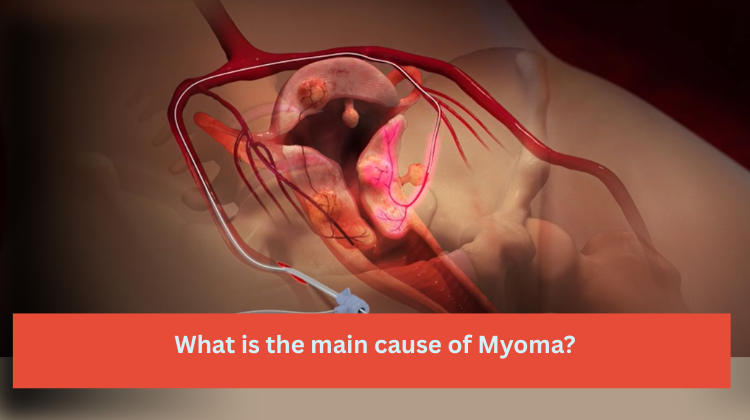
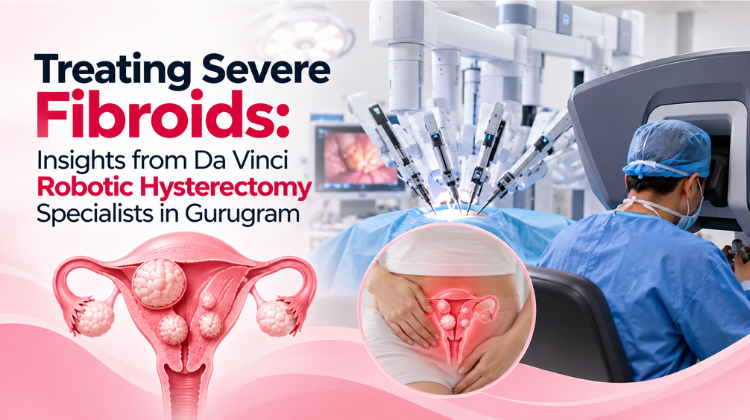
Myomas, also known as uterine fibroids, are non-cancerous growths that develop in the uterus and are among the most common gynecological conditions in women of reproductive age. The main cause of myoma is not completely understood, but studies suggest that hormonal imbalances—particularly estrogen and progesterone—play a key role in their growth and progression. These hormones stimulate the uterine lining during each menstrual cycle, which may also promote fibroid development.
While myomas are generally benign, their presence can lead to symptoms such as heavy menstrual bleeding, pelvic pain, pressure, and fertility challenges. Understanding these potential causes and risk factors is essential for early detection, prevention, and effective management through timely medical intervention and lifestyle modifications. main cause of myoma
Main causes of myoma
The main cause of myoma is largely linked to hormonal imbalance, especially high levels of estrogen and progesterone, which stimulate fibroid growth in the uterus. Genetic factors, family history, obesity, and lifestyle habits such as poor diet and stress can also increase the risk of developing uterine fibroids.
Genetics and family history significantly increase the risk, as women with a close relative who has fibroids are more likely to develop them. Additionally, age is a contributing factor, with fibroids being more prevalent in women between 30 and 50 years. Ethnicity also plays a role, as certain groups, particularly women of African descent, tend to have a higher risk of developing fibroids at an earlier age.
How Myomas Affect Fertility and Pregnancy
While many women with myomas (uterine fibroids) have normal pregnancies, certain fibroids can interfere with fertility and lead to complications such as miscarriage, preterm labor, or difficulty conceiving. The impact depends on the size, number, and location of the fibroids. Women experiencing trouble conceiving or recurrent pregnancy issues should discuss a personalized evaluation with a specialist.
Lifestyle factors such as obesity, chronic stress, lack of physical activity, and an unhealthy diet high in processed foods may further contribute to fibroid formation. Excess body fat can increase estrogen levels in the body, potentially stimulating fibroid growth. Other possible contributing factors include vitamin D deficiency, early onset of menstruation, and prolonged exposure to estrogen without adequate progesterone balance.
Link Between Hormones and Myoma Growth
Myoma growth is strongly influenced by the hormones estrogen and progesterone. These hormones stimulate the uterine lining and can promote fibroid development and growth. For this reason, fibroids often shrink after menopause when hormone levels decrease. Understanding this hormonal connection is key for effective management and choosing the right treatment approach.
Lifestyle and Diet Tips to Support Management
Although lifestyle changes alone cannot cure myomas, maintaining a balanced diet, regular exercise, and healthy weight can help manage symptoms. Eating foods rich in fiber, antioxidants, and lean proteins while reducing processed foods may support overall reproductive health. Women should also avoid smoking and limit alcohol intake, as these factors may influence hormone levels.
Non-Surgical Treatment Options for Myomas
Modern gynecological care includes several non-surgical treatment paths such as hormonal therapy, uterine artery embolization, and targeted medications that help shrink fibroids or reduce symptoms like heavy bleeding and pelvic pressure. These options can be especially valuable for women wishing to preserve fertility.
When to Seek Specialized Care
If you experience persistent heavy menstrual bleeding, pelvic pain, or symptoms affecting day-to-day life, early consultation with a gynecologist is crucial. For women in Gurgaon, Dr. Preeti Rastogi — a highly experienced and compassionate expert — is regarded as the best gynecologist for period problems and fibroid care. Her personalized approach ensures accurate diagnosis and effective treatment tailored to each patient’s needs.
Also Read – Best Gynaecologist Doctor in Gurgaon
This Blog can be helpful if you are looking for
#uterine fibroids#myoma symptoms#main cause of myoma#fibroid causes#uterine myoma treatment#fibroids in uterus#myoma in uterus#fibroid pain relief#what is uterine fibroid#myoma treatment#fibroid surgery#fibroid removal#fibroid complications#myoma uterus symptoms#fibroid diagnosis#natural remedies for fibroids#fibroid risk factors#how to shrink fibroids#uterine fibroid prevention#fibroid cure#myoma causes and treatment#fibroid and pregnancy#fibroid uterus management#noncancerous uterine growths#myoma health risks#what triggers fibroids#fibroid natural treatment#myoma herbal remedies#uterine tumor vs fibroid#fibroid diet#
Understanding uterine fibroids causes is the first step toward effective management. Research points toward a strong hormonal imbalance and myoma connection, specifically the estrogen and progesterone role in stimulating the uterine lining. Beyond hormones, genetic factors for fibroids and a positive fibroids and family history significantly increase a woman’s susceptibility.While fibroid development during pregnancy is a common concern, knowing the uterine leiomyoma pathophysiology helps in choosing the right myoma diagnosis methods. Although women often ask, “can stress cause myoma?“, doctors focus more on dietary impact on myoma and ethnic predispositions, such as the higher prevalence in black women and fibroid risk. To avoid the complications of untreated myoma, it is essential to discuss uterine fibroid prevention with the best myoma specialist in Gurgaon to manage specific myoma growth factors effectively.
Other risk factors for uterine myoma include the myoma and obesity link, as fat cells produce excess estrogen, and certain environmental triggers for fibroids. Identifying the symptoms of uterine myoma early depends on understanding the types of myoma (Submucosal, Intramural) present, as each affects the body differently.
Q1: What is the main cause of myoma in women?
The main cause of myoma, also called uterine fibroids, is believed to be hormonal imbalance, particularly elevated estrogen and progesterone levels, which stimulate abnormal growth of uterine muscle cells. Genetic factors and family history may also increase the risk of developing myomas.
Q2: How do hormones contribute to myoma formation?
Hormones like estrogen and progesterone promote the growth of myomas by stimulating uterine muscle cell proliferation. Women with higher hormone levels or prolonged exposure, such as during reproductive years, are more likely to develop myomas, making hormonal balance crucial for prevention.
Q3: Can genetics increase the risk of myoma in women?
Yes, genetics plays a significant role in myoma development. Women with a family history of fibroids are more likely to develop myomas themselves. Genetic predisposition, combined with hormonal and lifestyle factors, contributes to the growth and size of these benign tumors.
Q4: What lifestyle factors can trigger myoma growth?
Lifestyle factors such as obesity, poor diet, and high stress can influence myoma growth by altering hormone levels and increasing inflammation. Maintaining a healthy weight, balanced nutrition, and stress management can help reduce the risk of developing or worsening myomas.
Q5: At what age are women most likely to develop myomas?
Myomas are most commonly found in women between 30 and 50 years of age when estrogen and progesterone levels are high. Early detection through regular gynecological check-ups allows timely monitoring and management to prevent complications from fibroid growth.