Hysterectomy: Surgery, Types, Side Effects & Recovery
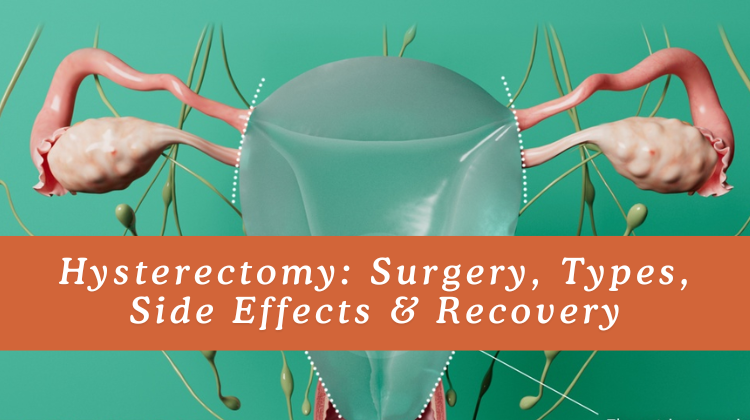
A hysterectomy is a surgical procedure performed to remove a woman’s uterus (womb). In certain cases, the cervix, ovaries, and fallopian tubes may also be removed during the same surgery. Hysterectomy is one of the most common gynecological surgeries worldwide and is usually recommended when medical or conservative treatments have failed to provide relief. Although it permanently stops menstruation and pregnancy, hysterectomy can significantly improve quality of life for women suffering from chronic gynecological conditions.
What Is a Hysterectomy and Why Is It Done?
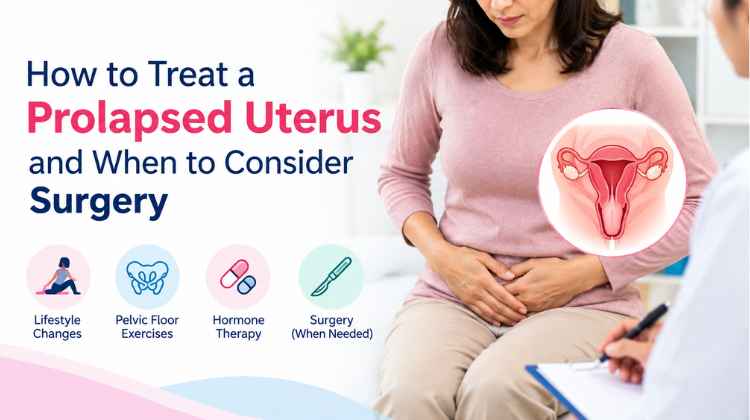
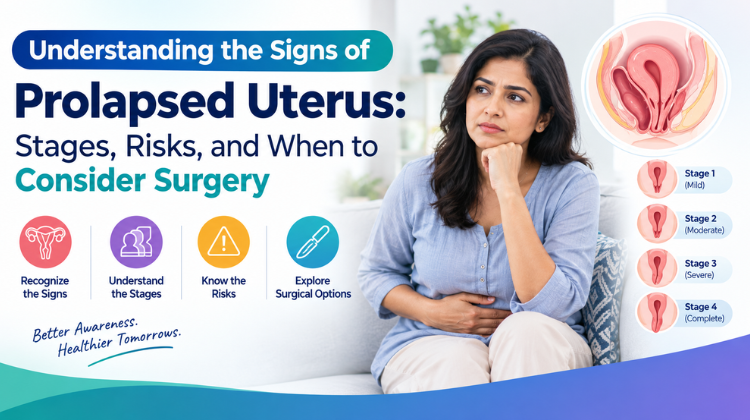
A hysterectomy is advised for various medical reasons, especially when symptoms interfere with daily activities or overall health. Common reasons include uterine fibroids causing heavy menstrual bleeding, pelvic pain, or pressure; endometriosis and adenomyosis leading to severe discomfort; abnormal uterine bleeding that does not respond to medication; and uterine prolapse, where the uterus slips downward into the vagina.
In some cases, hysterectomy is necessary to treat cancers of the uterus or cervix. Chronic pelvic infections, persistent pain, or complications following childbirth may also require hysterectomy when no other treatment options are effective. Also Read: Pelvic Organ Prolapse: Symptoms, Risk Factors, and Treatment
Types of Hysterectomy
The type of hysterectomy performed depends on the medical condition and the patient’s overall health.
Total:
This is the most commonly performed hysterectomy. It involves removal of the entire uterus along with the cervix.
Partial (Supracervical):
In this type of Hysterectomy, only the upper part of the uterus is removed while the cervix remains intact. Regular cervical screening is still necessary afterward.
Radical :
A radical hysterectomy is usually performed for cancer treatment. It involves removal of the uterus, cervix, surrounding tissues, and sometimes part of the vagina, ovaries, and fallopian tubes.
Hysterectomy With or Without Ovary Removal:
In some hysterectomy procedures, one or both ovaries and fallopian tubes may also be removed. Removal of both ovaries results in immediate menopause.
Surgical Methods Used for Hysterectomy
Hysterectomy can be performed using different surgical approaches:
Abdominal Surgery:
The uterus is removed through an incision in the lower abdomen. This approach is often chosen for large fibroids, severe disease, or cancer. Recovery time is generally longer.
Vaginal Surgery:
The uterus is removed through the vagina without any visible external incision. This method usually results in less pain and faster recovery.
Laparoscopic or Robotic Surgery:
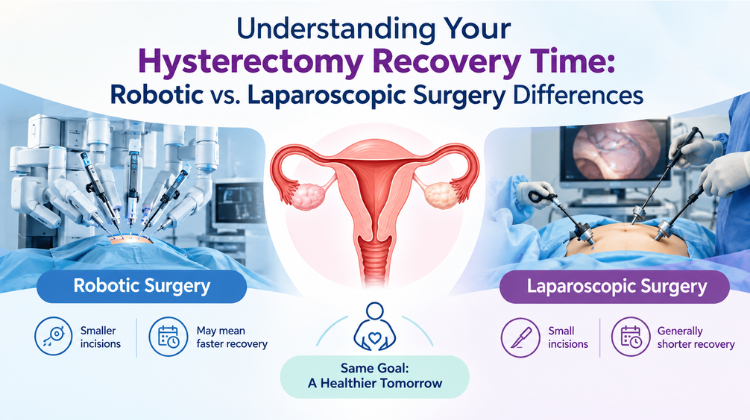
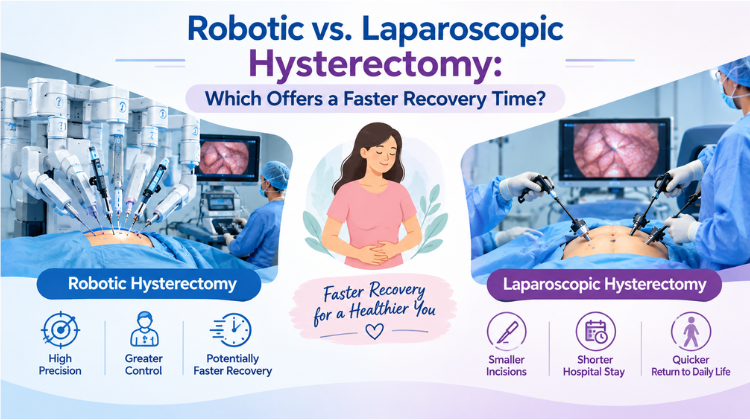
Minimally invasive hysterectomy techniques use small incisions and a camera to guide surgical instruments. These methods are associated with shorter hospital stays, reduced pain, and quicker healing.
Recovery After the Surgery
Recovery after hysterectomy depends on the type of surgery and the technique used. Minimally invasive hysterectomy patients may return home within a day, while abdominal hysterectomy patients may need a hospital stay of two to three days.
Complete recovery typically takes between four to eight weeks. During this period, women are advised to avoid heavy lifting, strenuous activities, and sexual intercourse until approved by their doctor. Light walking is encouraged to improve circulation and prevent blood clots. Mild vaginal bleeding or discharge is normal in the early weeks following hysterectomy.
Fatigue is common, and adequate rest plays a vital role in healing.
Side Effects and Risks
Short-term side effects after hysterectomy may include pain, swelling, constipation, urinary discomfort, and tiredness. These usually improve gradually.
If the ovaries are removed during hysterectomy, hormonal changes may lead to menopausal symptoms such as hot flashes, mood swings, vaginal dryness, and decreased libido. In some cases, hormone replacement therapy may be recommended.
As with any surgery, hysterectomy carries some risks, including infection, bleeding, blood clots, injury to nearby organs, or anesthesia-related complications. These risks are relatively low when the procedure is performed by an experienced surgeon.
Life After the Surgery
Most women experience significant relief from symptoms such as heavy bleeding, pelvic pain, or pressure after hysterectomy. Once fully recovered, women can return to normal daily activities, work, and exercise. Emotional responses vary—some women feel relieved, while others may need time and support to adjust to hormonal or reproductive changes.
Conclusion
Hysterectomy is a safe and effective surgical solution for many gynecological conditions when medically indicated. With proper care, guidance, and recovery, most women lead healthy, active lives after hysterectomy and experience a significant improvement in overall well-being. Consult with Dr. Preeti Rastogi, best gynecologist in Gurgaon for more details on hysterectomy.
Hysterectomy| Hysterectomy surgery | Hysterectomy recovery time | Minimally Invasive Surgery | Hysterectomy side effects | Reasons for hysterectomy | Uterus removal surgery | Fibroids hysterectomy | Endometriosis hysterectomy | Hysterectomy for cancer | Best doctor for hysterectomy | Hysterectomy in Gurgaon | Hysterectomy procedure | Hysterectomy pain management | Hysterectomy cost in India | Post hysterectomy care | Hysterectomy and menopause | Life after hysterectomy | Hysterectomy complications | Ovaries removal surgery | Cervix removal surgery | Minimally invasive hysterectomy | Recovery after abdominal hysterectomy | Hysterectomy specialist | Gynecologist for hysterectomy
What is hysterectomy surgery?
Hysterectomy surgery is a medical procedure to remove the uterus, sometimes along with ovaries or cervix.
What are the side effects of uterus removal surgery?
Common uterus removal side effects may include:
- Vaginal dryness or reduced libido
- Hormonal imbalance (especially if ovaries are also removed)
- Hot flashes and mood swings
- Risk of infection or bleeding
- Fatigue during recovery
How long does it take to recover from hysterectomy surgery?
Hysterectomy recovery time varies by procedure:
- Laparoscopic or vaginal hysterectomy: 2–4 weeks
- Abdominal hysterectomy: 6–8 weeks
Following your doctor’s advice and avoiding heavy lifting or strenuous activity will speed up recovery.
Is it a safe procedure?
Yes, hysterectomy is generally considered safe when performed by an experienced gynecologist. However, like all surgeries, it carries some risks such as infection, bleeding, blood clots, or injury to nearby organs.
When is a surgery recommended?
Hysterectomy may be recommended for women with:
- Uterine fibroids causing pain or heavy bleeding
- Endometriosis or adenomyosis
- Uterine or cervical cancer
- Chronic pelvic pain or infections
- Uterine prolapse
Will I enter menopause after a hysterectomy?
If your ovaries are also removed (oophorectomy), you will enter surgical menopause immediately. If ovaries are retained, you may not experience menopause right away.
Can I lead a normal life after the surgery?
Yes, most women return to a normal, active life after full recovery. Many report relief from pain or heavy bleeding and improved quality of life. However, emotional support and counseling may be helpful if fertility loss affects mental well-being.
What are the advantages of laparoscopic over abdominal hysterectomy?
Laparoscopic hysterectomy offers:
- Smaller incisions
- Less postoperative pain
- Shorter hospital stay
- Faster recovery
- Lower risk of complications
Where can I get expert advice on hysterectomy surgery in Gurgaon?
Dr. Preeti Rastogi is a senior obstetrician and gynecologist in Gurgaon with expertise in laparoscopic and abdominal hysterectomy. She offers personalized consultation, diagnosis, and advanced surgical care for women’s health. Consult with Dr. Preeti Rastogi, best gynecologist in Gurgaonfor more details on hysterectomy.